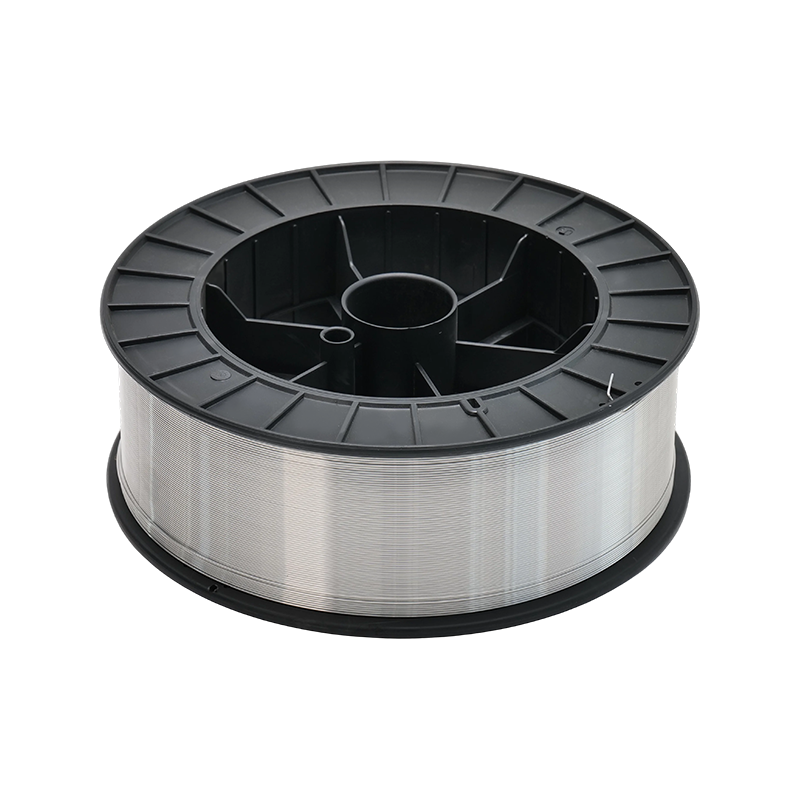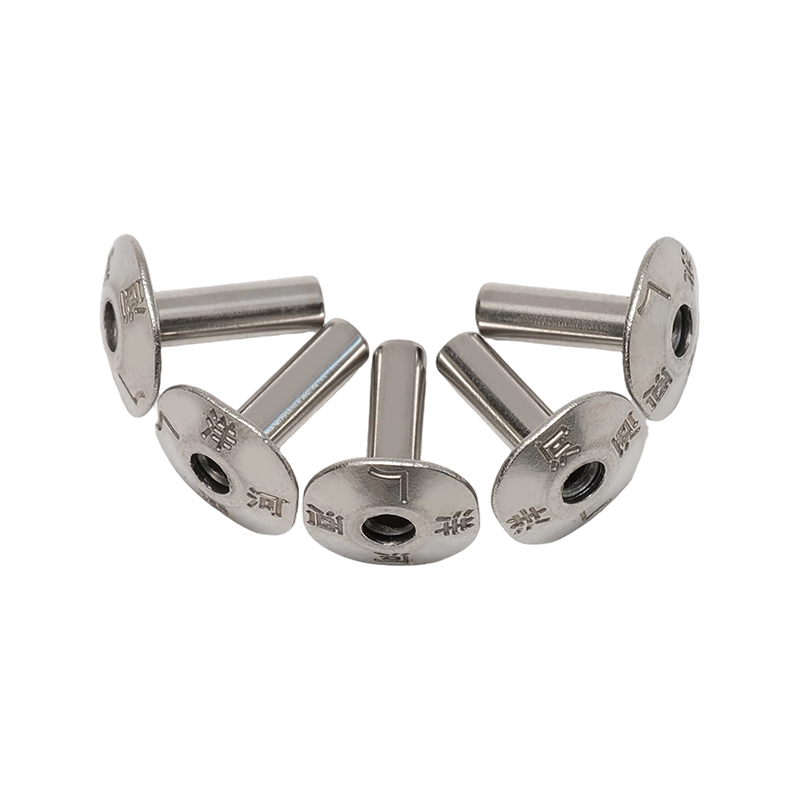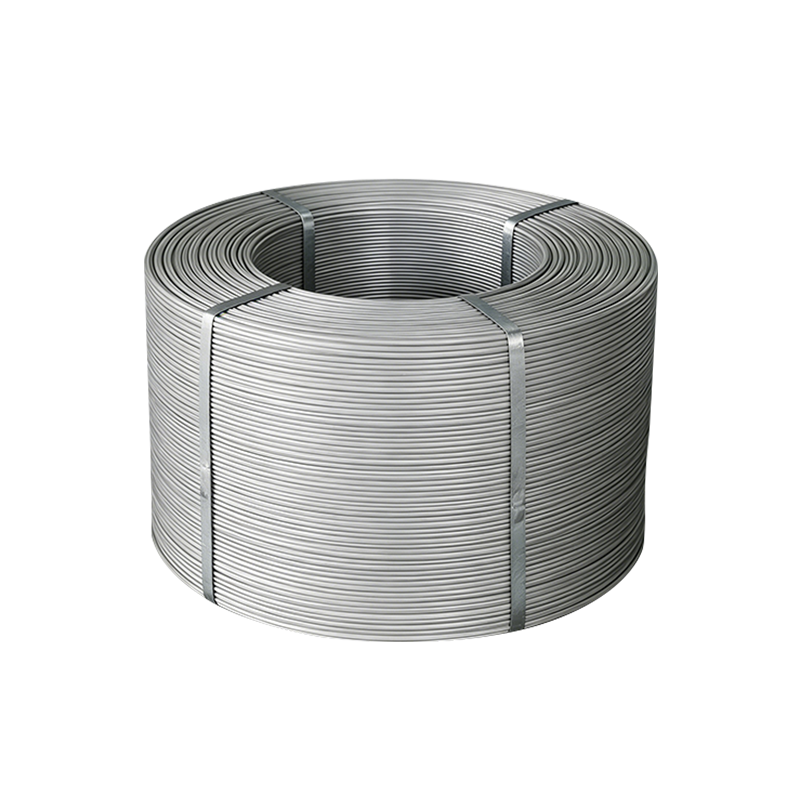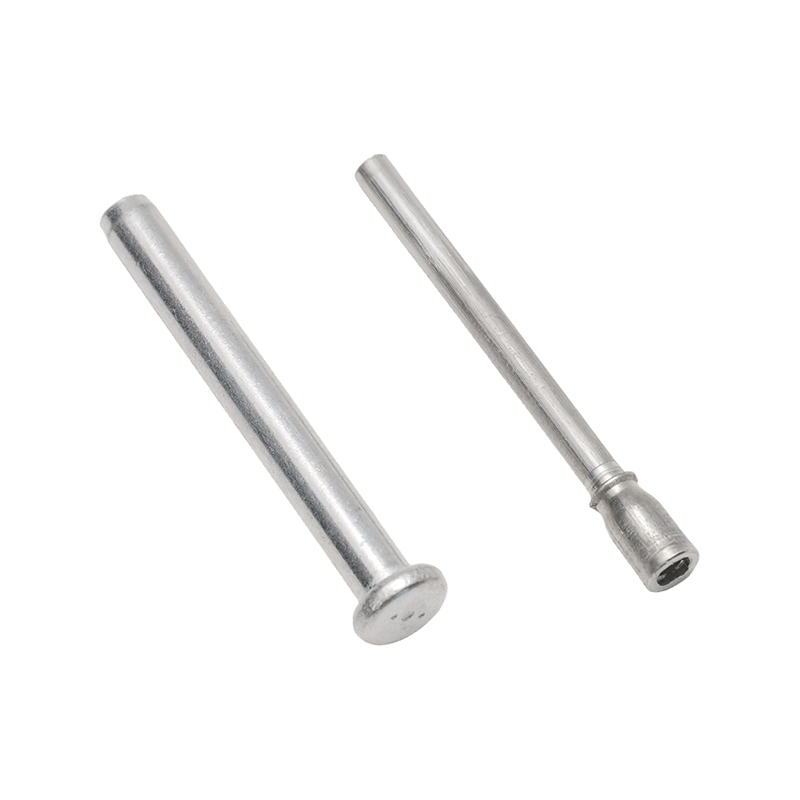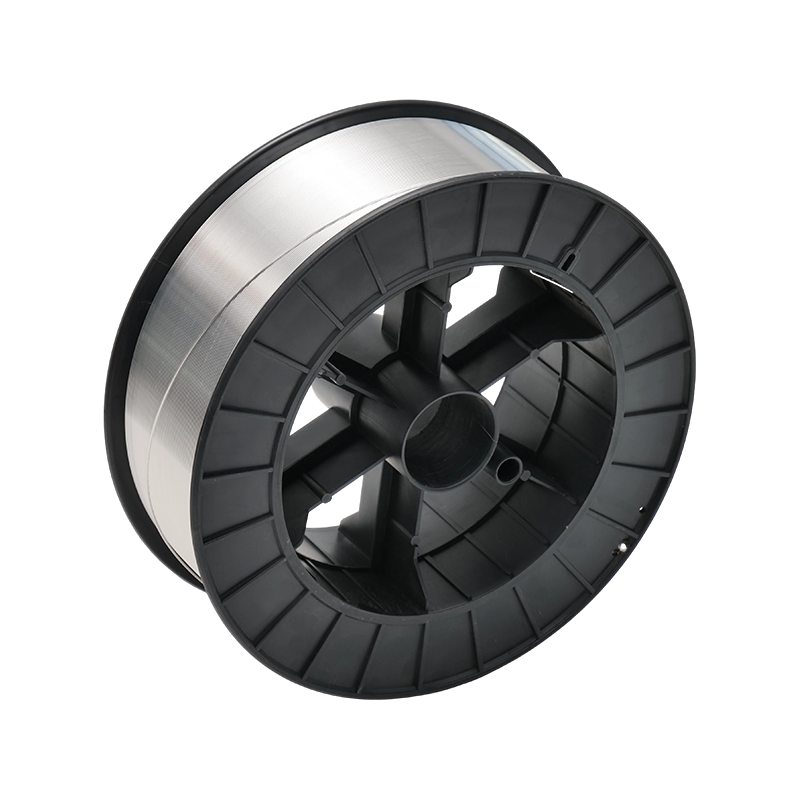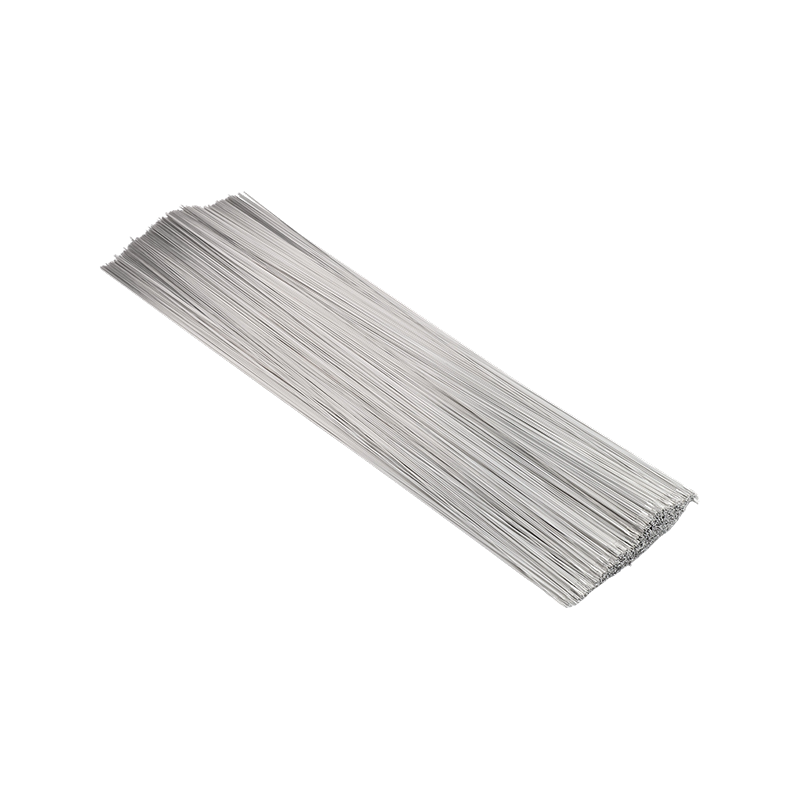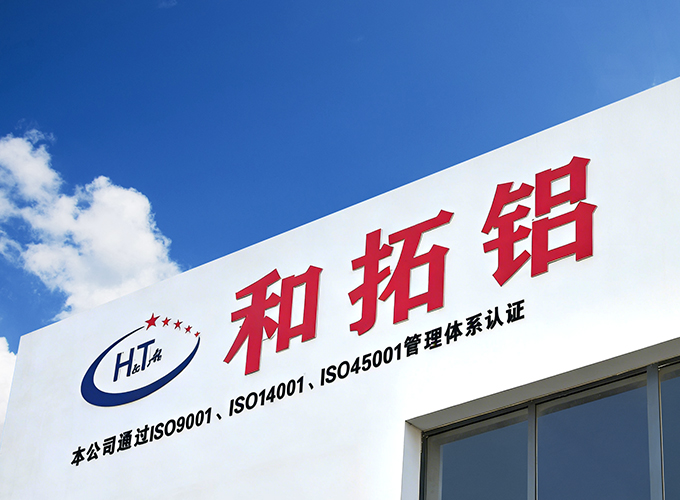
As an innovative pioneer in the field of aluminum alloy materials in China, Jiangsu Hetuo Aluminum Wire has always been guided by customer needs and aimed at customer satisfaction since its establishment in 2019. It has built an intelligent manufacturing system covering the entire industry chain, including high-purity aluminum wire, high-strength aluminum alloy wire, aluminum and aluminum alloy welding materials. The company is located in Guannan Economic Development Zone, Lianyungang, with a superior geographical location and convenient transportation. The high-speed rail business circle radiates within 3 kilometers. As China High Purity Aluminum Wire Factory and Aluminum Wire Suppliers, the company relies on the location advantage of Lianyungang National New Materials Industry Base to build a "1-hour overseas circle" logistics system. All of our products comply with international quality standards, and our export map covers many high-end markets abroad.
At present, the company's factory covers an area of 40000 square meters and has 60 employees, including 30 professional managers and technicians. To ensure customer satisfaction, we have introduced advanced equipment and facilities, and strictly implement quality inspection measures at every stage of the production process. In addition, our ISO-9001 quality system and IATF 16949 quality management system have been professionally certified.
In the aluminum wire industry, "purity" is not a marketing label — it is a precisely measured parameter that directly governs electrical conductivity, thermal behavior, and downstream processability. Commercial-grade aluminum wire typically falls in the 99.0%–99.7% purity range, while high purity aluminum wire is defined by Al content of 99.9% (3N) or higher, with ultra-high grades reaching 99.999% (5N). Each step up in purity reduces resistivity and improves ductility, but also changes recrystallization temperature and work-hardening characteristics — factors that matter significantly in precision winding, fine-pitch bonding, and thermal interface applications.
The key impurities that define these tiers are iron (Fe) and silicon (Si). Even at 100–200 ppm concentrations, Fe-Si inclusions form intermetallic phases that act as electron scattering centers, measurably degrading conductivity. For applications where IACS (International Annealed Copper Standard) values above 61% are required, specifying 4N or 5N purity is not over-engineering — it is the minimum viable specification. Jiangsu Hetuo Aluminum Wire produces across this full purity spectrum, with each grade targeting distinct end-use requirements rather than treating purity as a single sliding scale.
Producing consistent aluminum wire at fine diameters is a process engineering challenge that raw material purity alone cannot solve. During multi-pass cold drawing, aluminum undergoes strain hardening — dislocation density increases with each die reduction, raising tensile strength while reducing elongation. For high-purity grades, this work hardening is more pronounced because fewer solute atoms are available to pin dislocations, meaning the material reaches its ductility limit faster. Intermediate annealing cycles must therefore be precisely calibrated: too short or too cool leaves residual stress; too aggressive causes grain coarsening that softens the wire beyond specification.
Die geometry and drawing speed interact directly with surface quality. High reduction ratios per pass generate localized frictional heat that can introduce surface oxidation, micro-cracks, or lubricant entrapment — any of which become defect initiation sites in service. Advanced manufacturers control these variables through closed-loop die temperature monitoring, controlled-atmosphere annealing furnaces, and in-line surface inspection. The result is wire with a uniform oxide layer thickness, consistent mechanical properties along the full coil length, and dimensional tolerances measured in microns rather than millimeters.
The decision to specify unalloyed aluminum over a higher-strength alloy is driven by three functional requirements: maximum conductivity, chemical inertness, or process compatibility. In transformer winding and motor coil manufacturing, electrical conductivity is the primary design constraint — every 0.1% IACS improvement translates to measurable efficiency gains at scale. In semiconductor packaging and microelectronics, bond wire applications require material that deforms predictably at the bonding interface without introducing contamination; any alloying element becomes a potential source of intermetallic compound formation that degrades joint reliability over thermal cycling. In optical fiber coating and certain electrochemical applications, pure aluminum's passive oxide layer provides corrosion resistance without the galvanic complications introduced by alloy additions.
Welding and joining applications represent another distinct demand profile. Pure aluminum wire used as filler material offers low melting point, excellent flow characteristics, and compatibility with a wide range of base aluminum alloys without hot cracking risk — making it the preferred consumable for thin-section assemblies, cryogenic vessel fabrication, and food-grade equipment where alloy contamination is not acceptable. Understanding which application mode governs the specification decision helps procurement teams avoid both over-specifying (paying for purity that adds no functional benefit) and under-specifying (accepting performance degradation that compounds at system level).
For industrial buyers sourcing aluminum wire internationally, certification documents are the first layer of supply chain verification — but understanding what each standard actually audits determines how much weight to assign them. ISO 9001 certifies that a documented quality management system exists and is consistently applied; it does not certify product performance, only the process controls around production, inspection, and corrective action. IATF 16949, the automotive sector extension of ISO 9001, adds requirements for statistical process control (SPC), production part approval (PPAP), and failure mode and effects analysis (FMEA) — a significantly more rigorous framework that demands data-driven process monitoring rather than procedural compliance alone.
Beyond certifications, the practical markers of quality assurance capability are the testing instruments and sampling protocols a manufacturer operates in-house. Glow discharge mass spectrometry (GDMS) or ICP-OES analysis for trace element quantification, eddy current testing for surface and subsurface defects, and mechanical testing (tensile strength, elongation, hardness) per ASTM B230 or EN 60228 standards represent the technical floor for credible quality documentation. Jiangsu Hetuo Aluminum Wire holds both ISO 9001 and IATF 16949 certifications, reflecting a quality infrastructure built to serve both general industrial customers and the more demanding verification requirements of the automotive supply chain. Buyers should request material test reports (MTRs) that trace chemical composition and mechanical properties to specific production lots — not just generic product specification sheets — as the baseline for supplier qualification.



General Manager ( Kaihao Wang ) : +86-18961612067 / [email protected]
Deputy General Manager ( Zhilong Shuang ) : +86-13908684596 / [email protected]
Foreign Trade Sales Manager ( Chenxu Zha ) : +86-15961627690 / [email protected]
Domestic Trade Sales Manager ( Shengjing Jin) : +86-13485055650 / [email protected]

Small and Medium-sized Enterprises Park, Economic Development Zone, Guannan County, Lianyungang City, Jiangsu Province, China

We specialize in high-grade aluminum alloy rods, welding wires, and precision profiles


 English
 中文简体
中文简体 русский
 Deutsch