

 English
 中文简体
 русский
 Deutsch
Anyone who has spent real time on a production floor knows that the alloy behind the wire matters far more than the price per kilogram suggests. AlMg6 aluminum alloy wire is a good example: it is a magnesium-bearing grade from the 5xxx family, and it turns up in ship structures, truck frames, cold-headed rivets and welded pressure equipment.
We have been drawing and supplying aluminium wire from Lianyungang since 2019, and AlMg6 is one of the grades customers ask about most often. The questions repeat themselves: what is actually in it, how strong is it, does it weld cleanly, and how do you specify it without paying for properties you do not need? Here is what we have learned.
Content
- 1 What Is AlMg6 Aluminum Alloy Wire?
- 2 Typical Chemical Composition
- 3 Key Performance Advantages
- 4 How AlMg6 Compares With Other Aluminum Alloy Wires
- 5 Manufacturing and Quality Control Behind AlMg6 Wire
- 6 Where AlMg6 Aluminum Alloy Wire Earns Its Place
- 7 Welding and Handling Notes for AlMg6 Wire
- 8 Specifying AlMg6 Wire Without Guesswork
- 9 Frequently Asked Questions
What Is AlMg6 Aluminum Alloy Wire?
AlMg6 is an aluminium-magnesium alloy in which magnesium is the main alloying element, present at roughly six percent by weight. That magnesium level is what separates it from leaner grades such as AlMg3 and from the aluminium-silicon filler wires used in a lot of general welding work. The alloy also carries small additions of manganese and titanium, which sharpen strength and refine the cast grain structure.
Because AlMg6 is not heat-treatable, its strength comes from strain hardening, meaning the mechanical work applied during drawing. That has a practical consequence: annealing, or the heat input from welding, softens the wire locally, so a joint is always weaker in the heat-affected zone than the parent metal. Good design accounts for it rather than fighting it.
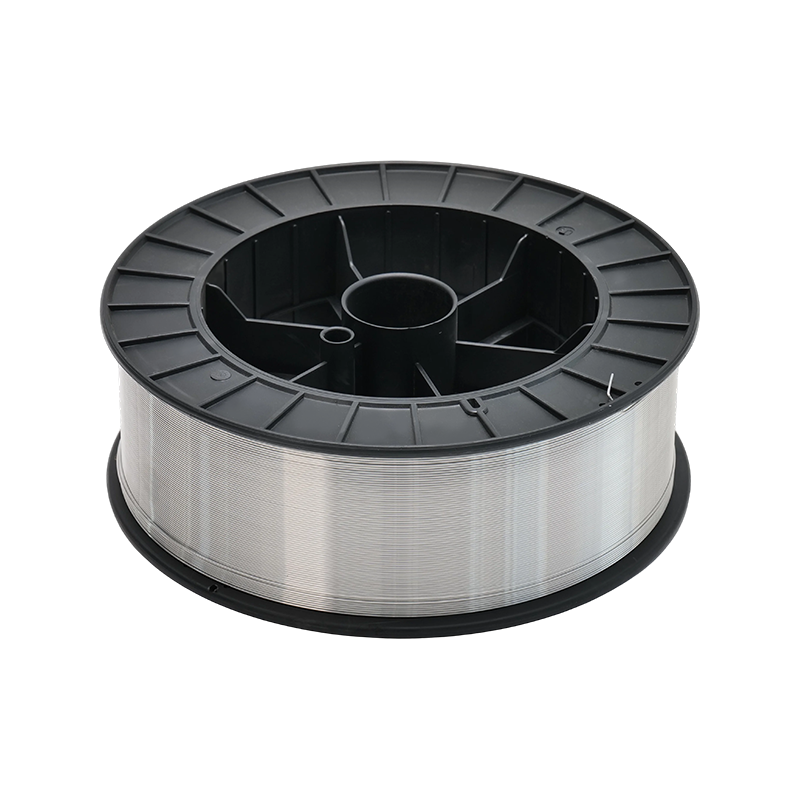
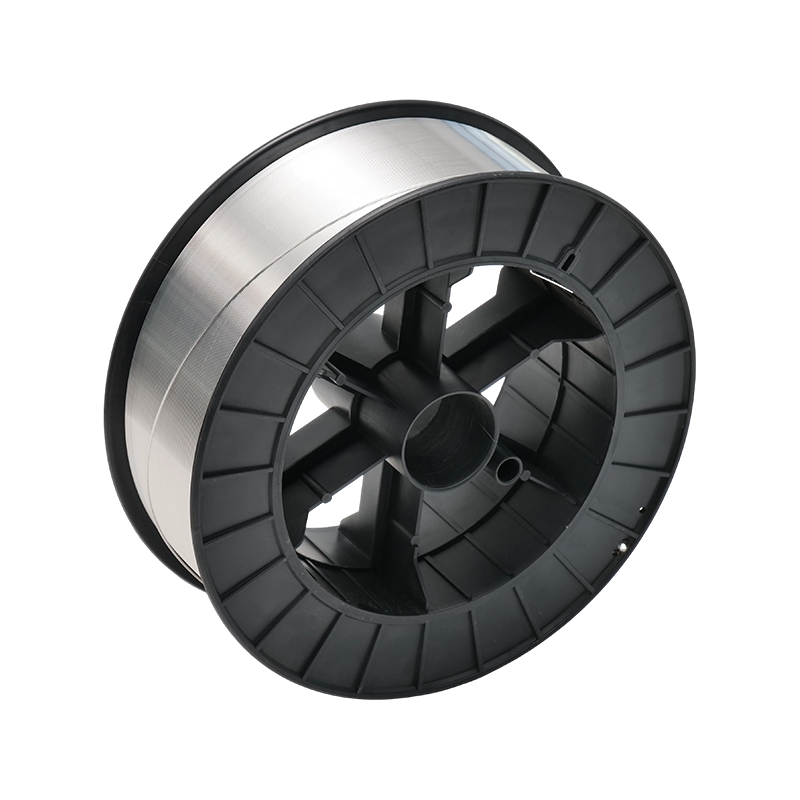
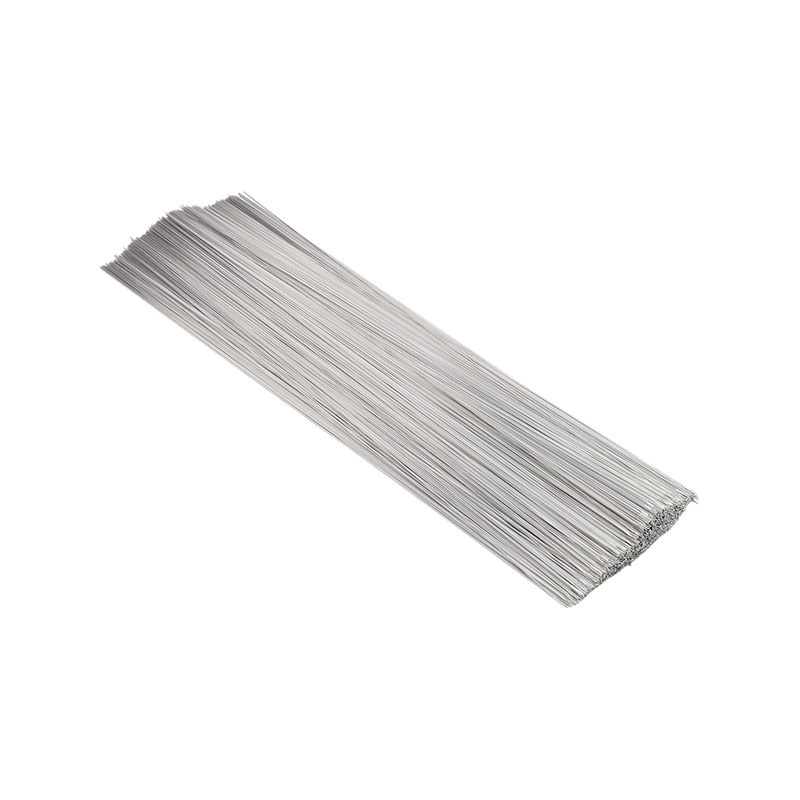
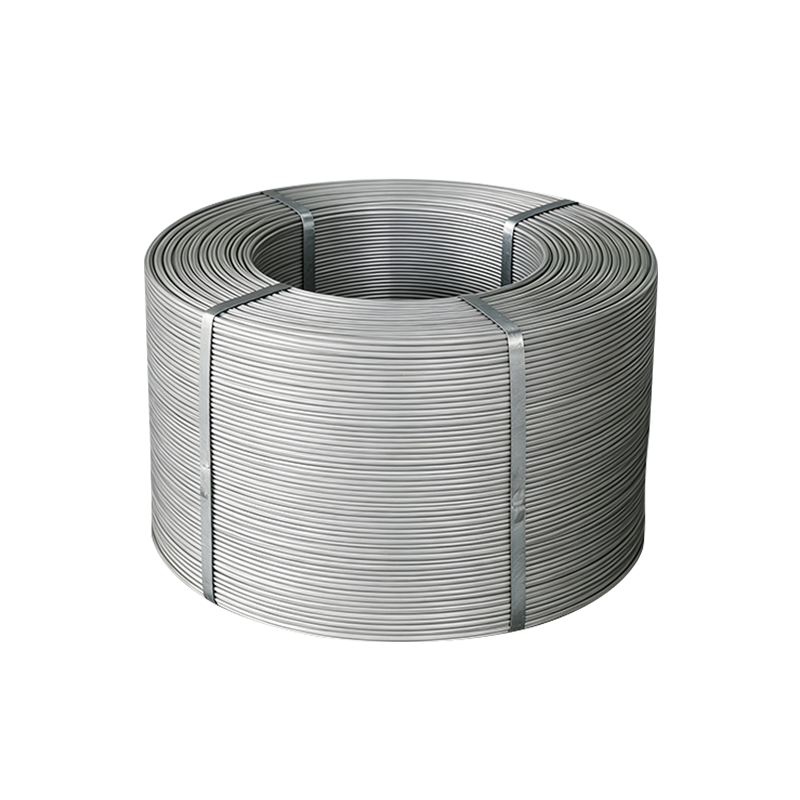
The wire is supplied in several forms: coils for cold heading and rivet production, spools for automatic welding, and cut lengths for manual TIG work. Diameter, temper and tolerance are agreed per order. Customers occasionally confuse AlMg6 with high-purity grades, so a quick distinction helps. A 1090 aluminum wire is 99.90 percent aluminium and is chosen for conductivity and formability, while AlMg6 sits at the other end of the trade-off, where mechanical performance and wet-service corrosion behaviour matter more than electrical performance.
 AlMg6 Aluminum Alloy Wire for Demanding Structural ApplicationsHigh-strength AlMg6 wire with good exfoliation corrosion resistance and weldability, supplied as coils, spools, or cut lengths; confirm diameter, temper, and tolerance per order.View Product →
Typical Chemical Composition
The ranges below reflect what we normally work within for AlMg6 wire. Standards for this alloy family differ slightly between regions, so treat the table as guidance and confirm against the specification on your drawing or purchase order.
| Element | Typical content (wt%) | Role |
|---|---|---|
| Mg | 5.8 – 6.8 | Main strengthener, raises work-hardening rate |
| Mn | 0.50 – 0.80 | Adds strength, improves grain structure |
| Ti | 0.02 – 0.10 | Grain refinement during casting |
| Fe | 0.40 max | Impurity, controlled to protect ductility |
| Si | 0.40 max | Impurity, kept low for weld quality |
| Cu | 0.10 max | Impurity, limited for corrosion reasons |
| Zn | 0.20 max | Impurity, limited for corrosion reasons |
| Al | Balance | Base metal |
Key Performance Advantages
Strength at low weight
Aluminium weighs roughly one third of steel, and cold-drawn AlMg6 wire commonly develops tensile strengths in the 300 to 400 MPa band, with hard tempers reaching toward the upper end depending on diameter. That combination of low density and respectable strength is why the grade appears in weight-sensitive frames and structures.
Corrosion behaviour in wet and salty service
Magnesium in solid solution supports a stable protective oxide, which is why 5xxx alloys have long been the default for marine atmospheres and splash zones. One caveat worth knowing: continuous exposure above about 65°C can sensitise high-magnesium alloys to intergranular attack, so avoid using AlMg6 in permanently hot service.
Weldability
The grade welds comfortably to 5xxx and 6xxx base metals, with good arc stability and low hot-cracking tendency. It flows less freely than silicon-bearing fillers, which is a fair trade for higher joint strength.
Ductility and formability
Elongation in the softer tempers is enough for cold heading, bending and crimping, provided grain size and surface cleanliness are controlled. For rivet production, those two variables decide whether you get clean heads or reject rates.
How AlMg6 Compares With Other Aluminum Alloy Wires
Most selection problems come down to one question: must the part carry load and face moisture at the same time? If yes, magnesium-bearing wire usually wins. If weld fluidity or electrical performance leads the requirement list, other grades are more sensible.
| Wire grade | Main alloying element | Typical use |
|---|---|---|
| 1090 | 99.90% Al | Conductors, high-purity and forming duties |
| AlMg3 | About 3% Mg | General welded structures, moderate strength |
| 5356 type | About 5% Mg | Welding filler for 5xxx and 6xxx base metals |
| AlMg6 | About 6% Mg | High-strength wire, marine service, rivets, demanding joints |
| 4043 type | About 5% Si | Filler where fluidity and crack resistance outweigh strength |
Two rules of thumb from our own order history: choose AlMg6 when load and moisture arrive together, and be deliberate about mixing grades. A silicon-bearing filler on an AlMg6 base metal produces a ductile, easy-to-weld joint that is simply weaker than the parent material. If you want the trade-offs laid out grade by grade, our aluminum alloy wire grades and selection guide covers the details.
Manufacturing and Quality Control Behind AlMg6 Wire
Wire quality is decided long before the final draw. Our process begins with ingot and master alloy selection, then moves through controlled melting and alloying, refining and degassing, casting and homogenisation, rolling and drawing, and finally surface cleaning and inspection. Every stage carries its own checkpoints, because a chemistry drift or an inclusion that looks harmless at 9.5 mm becomes a broken wire or a porosity defect at 1.2 mm.
On the systems side we hold ISO 9001:2015, certified in September 2021; CE, granted in October 2022; and IATF 16949:2016, achieved in May 2023. That last certificate matters to automotive customers, since it means the plant is audited against the discipline expected of tier-one suppliers. Our site covers 40,000 square metres in the Guannan Economic Development Zone and employs 60 people, half of them in technical and management roles.
For AlMg6 specifically, chemistry is verified by spectrometer on every heat, diameter and surface condition are monitored throughout drawing, and tensile and elongation values are recorded for finished coils and spools. Certificates of conformity travel with the shipment, and third-party test reports can be arranged on request.
Where AlMg6 Aluminum Alloy Wire Earns Its Place
Marine and offshore work
Hulls, deck fittings, railings and superstructures benefit from the grade's resistance to salt-laden air, and the low weight helps with stability and fuel economy.
Transport and structural frames
Truck bodies, rail components, cranes and lightweight frameworks use the wire where stiffness-to-weight ratio and fatigue life matter. The automotive certifications mentioned earlier exist largely because of this segment.
Rivets and cold-headed parts
Solid rivets demand wire with uniform grain size, consistent lubrication and tight diameter tolerance, otherwise heads crack or shanks bend off-centre. Rivet wire is its own product line for us, produced with heading operations rather than welding in mind.
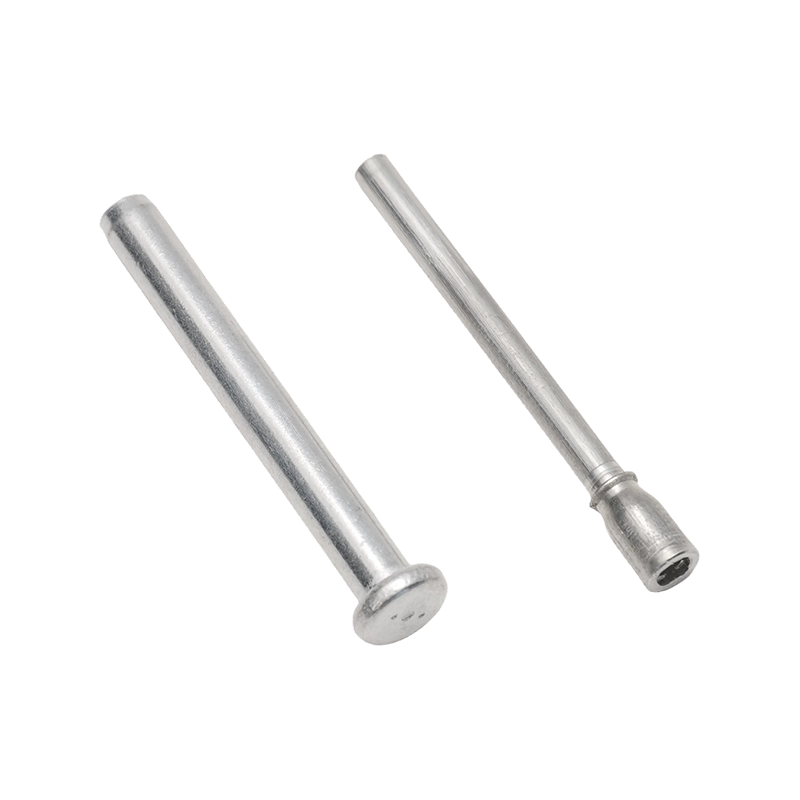 Custom Aluminum Rivet Wire for Aerospace and Military RivetsRivet wire intended for heading operations, with T6, T73, or T76 tempers described for strength, toughness, and corrosion performance; confirm specifications for your application.View Product →
Welding and Handling Notes for AlMg6 Wire
AlMg6 performs well in both MIG and TIG applications when a little housekeeping is observed.
- Clean the wire and the workpiece before welding; oxides, oil and shop dust are the usual source of porosity.
- Use argon, or an argon-helium mix for thicker sections, with the correct polarity and a stable wire feed.
- Keep heat input moderate and travel speed steady to limit softening in the heat-affected zone.
- Store spools and coils in dry conditions, off bare concrete and away from steel dust, which embeds in soft aluminium and causes contamination.
Matching filler wire in MIG and TIG formats is part of our regular product range, spooled, layer-wound and packed for uninterrupted automatic feeding.
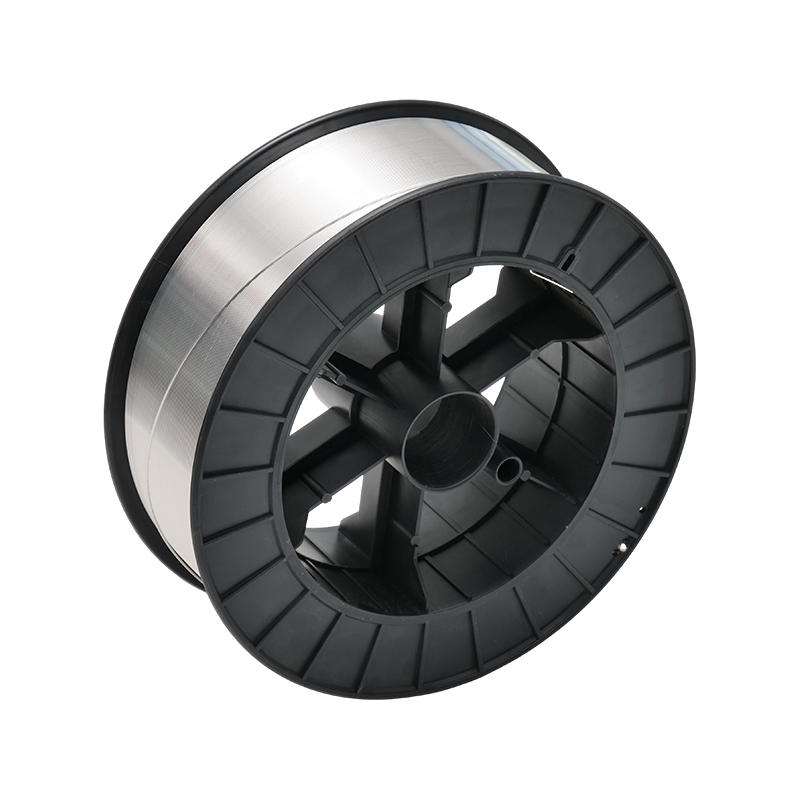 MIG Wire for Aluminum and Aluminum Alloy WeldingMIG wire mainly for melting electrode argon arc welding, part of a spooled filler range and customizable for aluminum welding applications.View Product →
Specifying AlMg6 Wire Without Guesswork
The more of the following you include in an inquiry, the faster we can quote something you will actually be able to use:
- Grade and reference standard, or the equivalent you need matched
- Temper, such as soft, quarter-hard or hard
- Diameter and acceptable tolerance range
- Packaging format, coil, spool or cut length, plus unit weight
- Application, whether welding, cold heading or general drawing
- Mechanical targets for tensile strength and elongation
- Surface condition and lubrication requirements
- Documentation needs, such as certificates or third-party testing
If the answer to any of these is unclear, describe the part and the environment it works in. We would rather steer you to the right specification than ship something that fails on your line.
Frequently Asked Questions
Is AlMg6 wire the same as 5356 welding wire?
They are close relatives and are often substituted in practice, but they are not identical. Magnesium content and trace element limits differ slightly, so confirm that your welding procedure accepts the substitution.
Can AlMg6 wire be strengthened by heat treatment?
No. It is a non-heat-treatable alloy, and strength comes from cold work. Elevated temperatures reduce that strength rather than increase it.
Is AlMg6 suitable for marine environments?
Yes, it is one of the standard choices for saltwater exposure. Avoid continuous service above about 65°C, where sensitisation risk appears.
What does the number in the grade name mean?
It indicates nominal magnesium content of around six percent, which is the highest commonly drawn in this wire family.
AlMg6 aluminum alloy wire is not a complicated material, but it rewards a clear specification and a supplier who understands how wire behaves after the draw. Strength comes from cold work, corrosion resistance comes from magnesium, and weldability depends as much on cleanliness and handling as on chemistry.
If you are working through a specification, or replacing a grade that is no longer available, tell us the application and the environment. We are happy to share what we have learned on the shop floor and help you land on a wire that performs the way your drawings say it should.