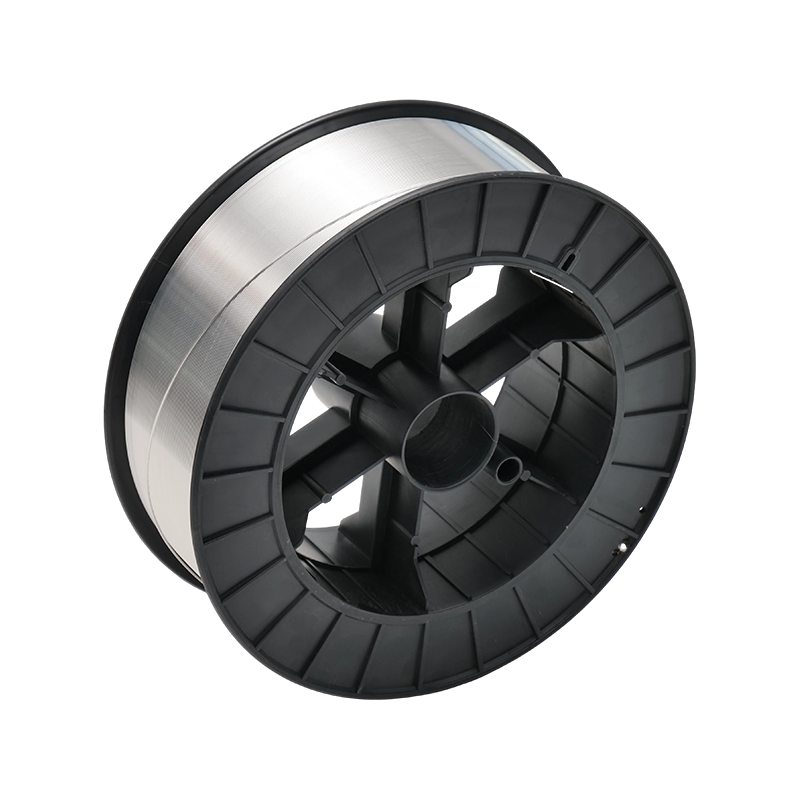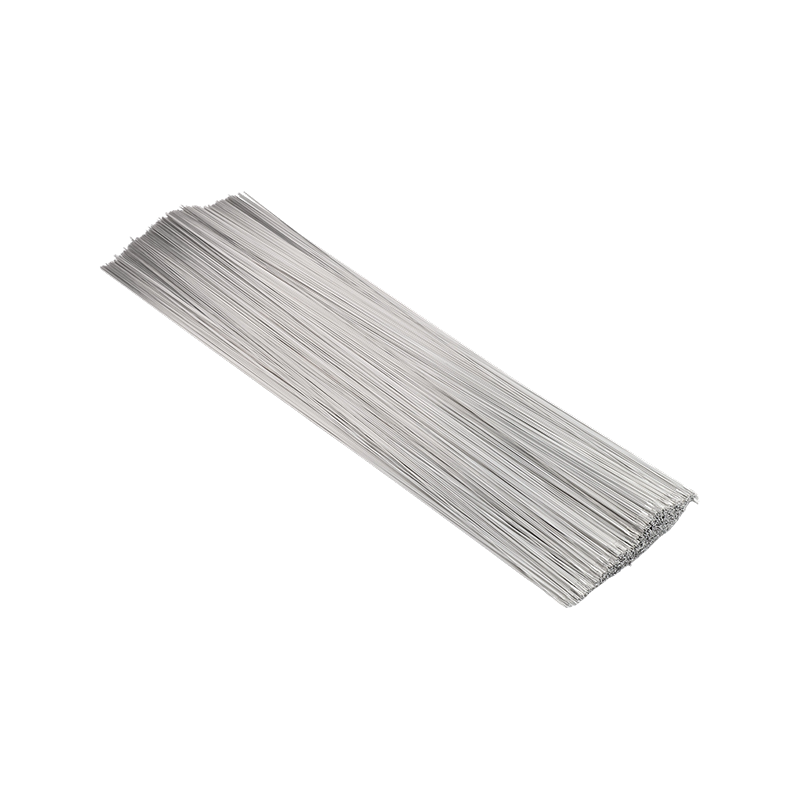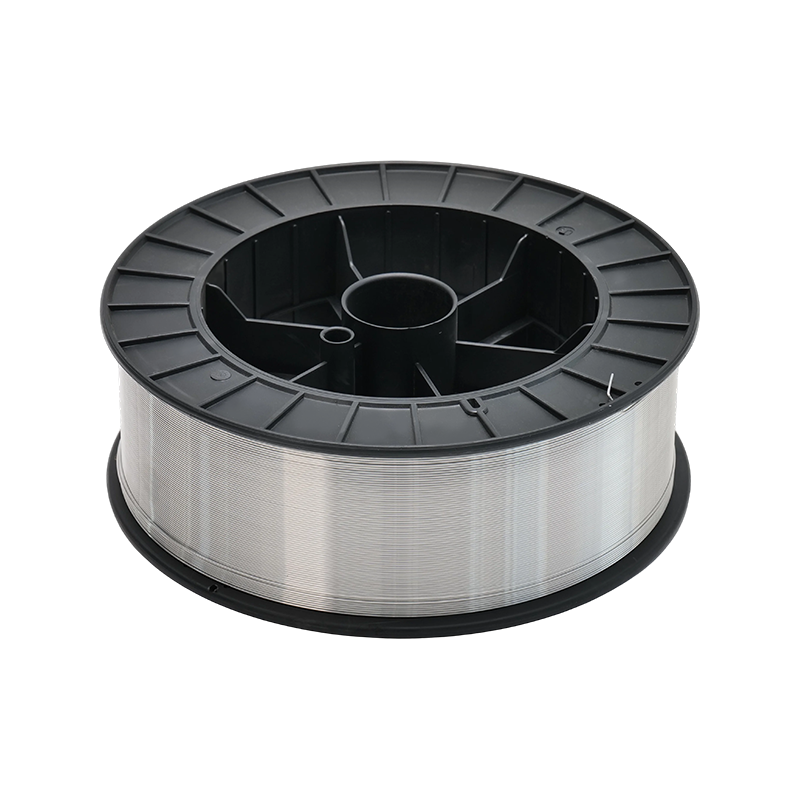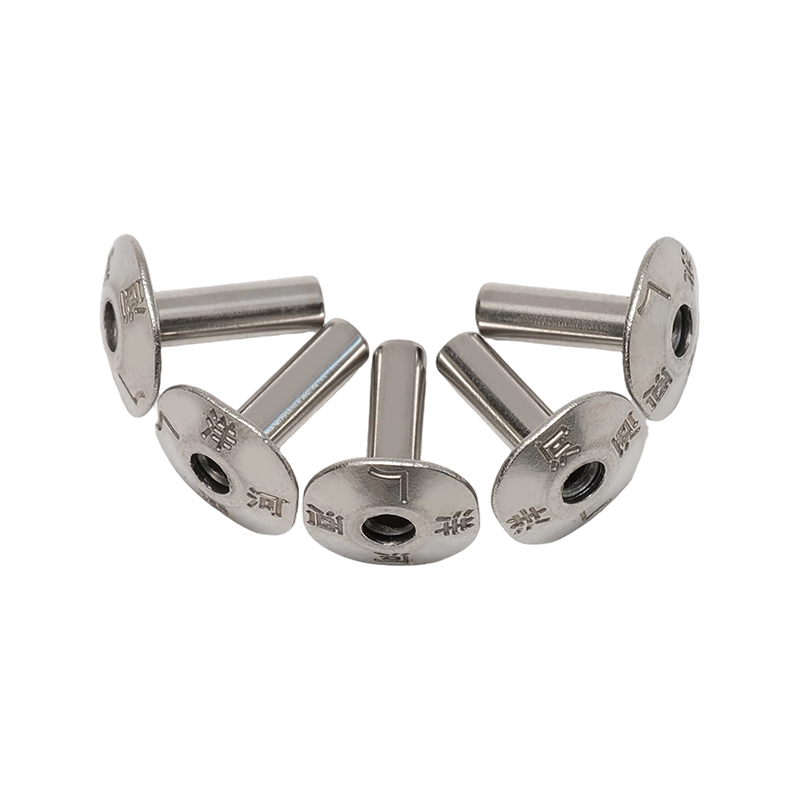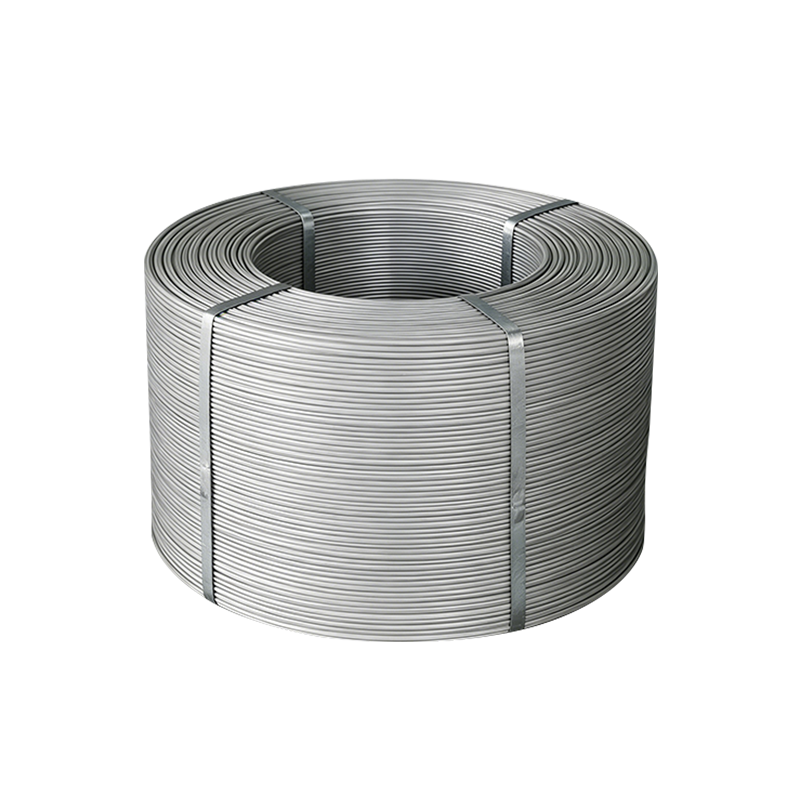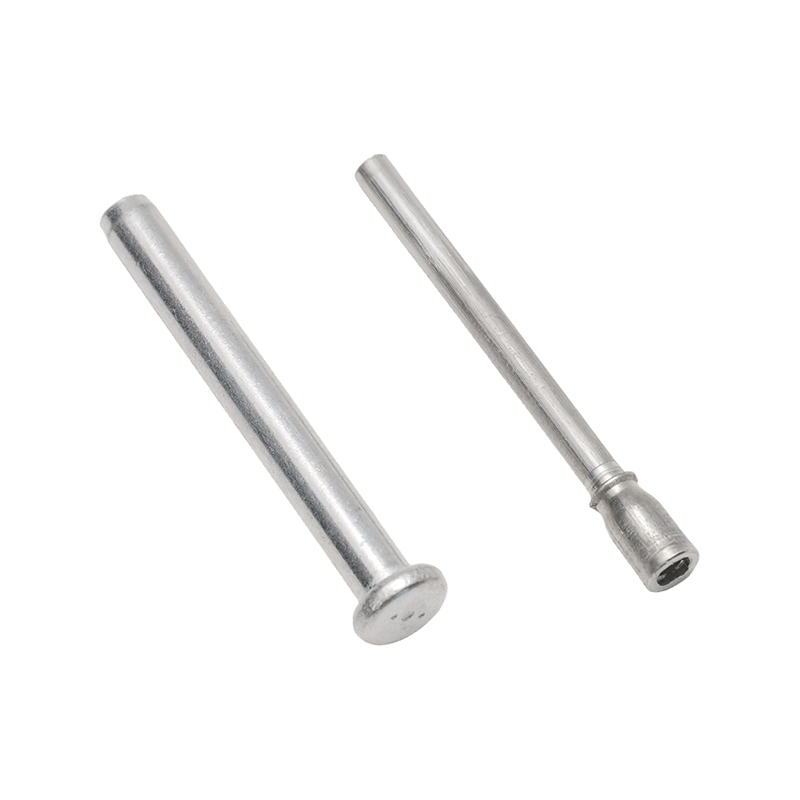
As an innovative pioneer in the field of aluminum alloy materials in China, Jiangsu Hetuo Aluminum Wire has always been guided by customer needs and aimed at customer satisfaction since its establishment in 2019. It has built an intelligent manufacturing system covering the entire industry chain, including high-purity aluminum wire, high-strength aluminum alloy wire, aluminum and aluminum alloy welding materials. The company is located in Guannan Economic Development Zone, Lianyungang, with a superior geographical location and convenient transportation. The high-speed rail business circle radiates within 3 kilometers. As China Aluminum And Aluminum Alloy Welding Materials Factory and Aluminum Welding Wire Suppliers, the company relies on the location advantage of Lianyungang National New Materials Industry Base to build a "1-hour overseas circle" logistics system. All of our products comply with international quality standards, and our export map covers many high-end markets abroad.
At present, the company's factory covers an area of 40000 square meters and has 60 employees, including 30 professional managers and technicians. To ensure customer satisfaction, we have introduced advanced equipment and facilities, and strictly implement quality inspection measures at every stage of the production process. In addition, our ISO-9001 quality system and IATF 16949 quality management system have been professionally certified.
Selecting the correct filler alloy for aluminum welding is not a secondary consideration — it is the primary technical decision that governs crack resistance, joint strength, corrosion performance, and post-weld anodizability. The interaction between base metal composition and filler chemistry determines whether the weld pool solidifies cleanly or develops hot cracking, and whether the heat-affected zone retains adequate mechanical properties for the application. The two dominant filler series — 4xxx (Al-Si) and 5xxx (Al-Mg) — cover the majority of structural and industrial applications, but each serves a distinct set of base metal combinations and service conditions.
4043 (Al-4.5%Si) is the most widely used general-purpose filler, offering excellent fluidity, low shrinkage cracking susceptibility, and good operator experience due to a stable arc and reduced tendency for spatter. Its lower strength compared to 5xxx fillers makes it unsuitable for structural joints in high-load applications, and its silicon content produces a dark grey anodized finish — a disqualifier for architectural and decorative work. ER5356 (Al-5%Mg) delivers higher tensile strength (up to 290 MPa in the as-welded condition), better color match after anodizing, and improved performance in saltwater environments, making it the standard choice for marine fabrication, pressure vessels, and structural assemblies. Matching aluminum and aluminum alloy welding materials to the specific base alloy system — rather than defaulting to a single filler — is the starting point of sound aluminum weld engineering.
Porosity is the most prevalent quality defect in aluminum MIG and TIG welding, and the majority of field porosity cases trace back to hydrogen contamination — not technique. Aluminum's oxide layer is hydroscopic: it absorbs atmospheric moisture, and that moisture dissociates in the weld pool to release hydrogen, which exceeds the metal's solid solubility limit during solidification and becomes entrapped as voids. The filler wire surface is one of the primary hydrogen introduction pathways. Wire manufactured without adequate surface cleanliness control — residual drawing lubricant, oxide accumulation from improper storage, or moisture adsorption during transit — delivers hydrogen directly into the arc zone regardless of base metal preparation quality.
Proper storage protocol for aluminum welding wire requires sealed, moisture-barrier packaging maintained at stable temperature to prevent condensation cycles. Wire that has been opened and left exposed in humid workshop environments should be oven-dried at 70–80°C for 1–2 hours before use — a step routinely skipped in production environments and routinely responsible for otherwise unexplained porosity spikes. On the manufacturing side, surface cleanliness is controlled through drawing lubricant selection (synthetic lubricants that volatilize cleanly under arc conditions are preferred over mineral oil-based alternatives), post-draw cleaning passes, and hermetic packaging under inert atmosphere or with desiccant. Jiangsu Hetuo Aluminum Wire applies surface cleanliness controls at production level, reducing the hydrogen burden the welder has to manage on the shop floor.
Aluminum welding wire is produced across a range of diameters and tempers, and the correct specification depends on the welding process, wire feed system, and joint geometry. For GMAW (MIG welding), the most common diameter range is 0.8–1.6 mm, with 1.0 mm and 1.2 mm covering the majority of sheet and medium-section work. Aluminum wire is significantly softer than steel wire of equivalent diameter, which creates feeding challenges: standard steel-optimized drive rolls and liners cause the wire to deform, bird-nest, or feed inconsistently. U-groove or knurled drive rolls, Teflon-lined conduit, and push-pull torch systems are the standard technical responses to aluminum's feeding characteristics — and wire temper (typically H-temper, work-hardened) contributes to feedability by providing enough column strength to resist buckling in the liner.
For GTAW (TIG welding), wire is used as manually fed filler rod rather than mechanically fed consumable, and the relevant parameters shift to diameter-to-joint geometry matching and surface condition. TIG filler rod for aluminum is typically supplied in straightened cut lengths (1 meter standard) rather than spooled, and surface oxide condition is more critical because the welder's hand introduces the rod directly into the shielding gas envelope. Orbital and automated TIG systems for tube and pipe work may use spooled wire with motorized cold-wire feed; in these configurations, wire diameter tolerances tighter than the standard ±0.01 mm are often specified to ensure consistent wire-to-joint positioning and stable bead geometry across long automated runs.
| Filler Alloy | Compatible Base Alloys | As-Welded Tensile (MPa) | Key Characteristics |
|---|---|---|---|
| ER4043 | 6xxx, 3xxx, casting alloys | ~186 | Excellent fluidity, low crack sensitivity, general purpose |
| ER5356 | 5xxx, 6xxx | ~290 | Higher strength, anodize-compatible, marine grade |
| ER4047 | 6xxx, brazing applications | ~140 | High Si content, narrow solidification range, minimal distortion |
| ER5183 | 5xxx structural alloys | ~290 | Highest strength 5xxx filler, cryogenic and pressure vessel use |
Welding consumables used in certified fabrication — pressure vessels (ASME Section IX), structural work (AWS D1.2), aerospace assemblies (AWS D17.1), or automotive body structures — must be supplied with material test reports (MTRs) that confirm chemical composition and mechanical properties against the applicable AWS A5.10 or equivalent standard. These are not optional documents: they are the traceability records that link the consumable to the qualification weld procedure, and their absence can trigger non-conformance findings during third-party weld inspection or customer source audits.
Beyond standard MTR documentation, automotive and aerospace supply chains impose additional requirements. IATF 16949-certified suppliers must maintain lot-level traceability, provide SPC data on critical dimensions (diameter, ovality), and support PPAP submission with dimensional measurement reports and process capability indices. For fabricators qualifying a new consumable supplier into a controlled welding procedure specification (WPS), the practical requirement is a qualification weld using the new consumable lot, with mechanical testing (tensile, bend, sometimes impact) confirming that the procedure performance is maintained. As a manufacturer holding both ISO 9001 and IATF 16949 certification, Jiangsu Hetuo Aluminum Wire supports this qualification process with full lot traceability documentation, enabling fabricators to integrate new consumable deliveries into their controlled procedures without disrupting existing weld qualification records.



General Manager ( Kaihao Wang ) : +86-18961612067 / [email protected]
Deputy General Manager ( Zhilong Shuang ) : +86-13908684596 / [email protected]
Foreign Trade Sales Manager ( Chenxu Zha ) : +86-15961627690 / [email protected]
Domestic Trade Sales Manager ( Shengjing Jin) : +86-13485055650 / [email protected]

Small and Medium-sized Enterprises Park, Economic Development Zone, Guannan County, Lianyungang City, Jiangsu Province, China

We specialize in high-grade aluminum alloy rods, welding wires, and precision profiles
Copyright © 2026Jiangsu Hetuo Aluminum Wire Co., Ltd.
 Wholesale High-Strength Aluminum Alloy Wire Suppliers


 English
 中文简体
中文简体 русский
 Deutsch