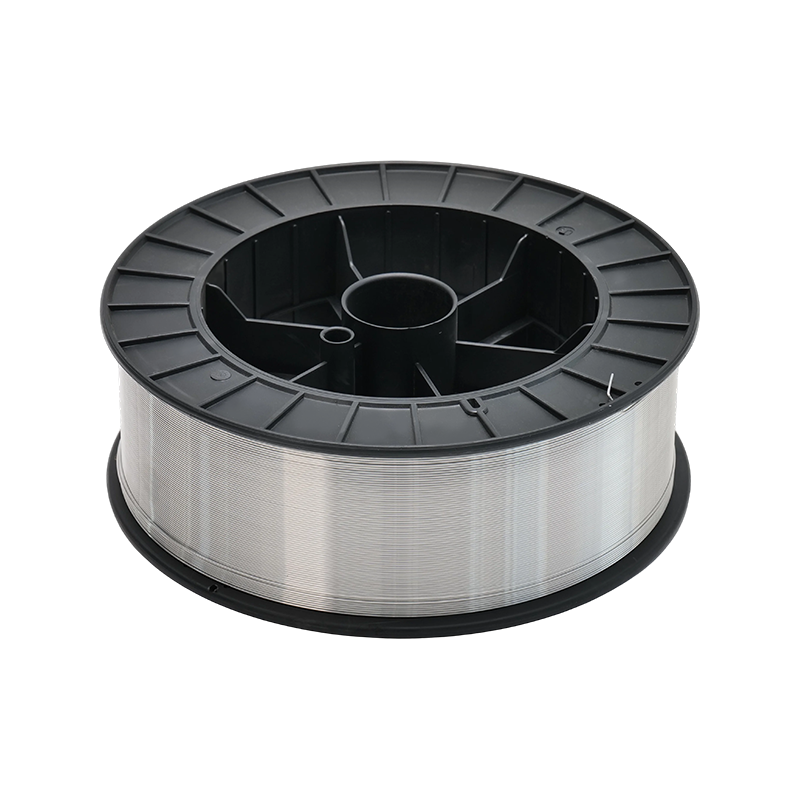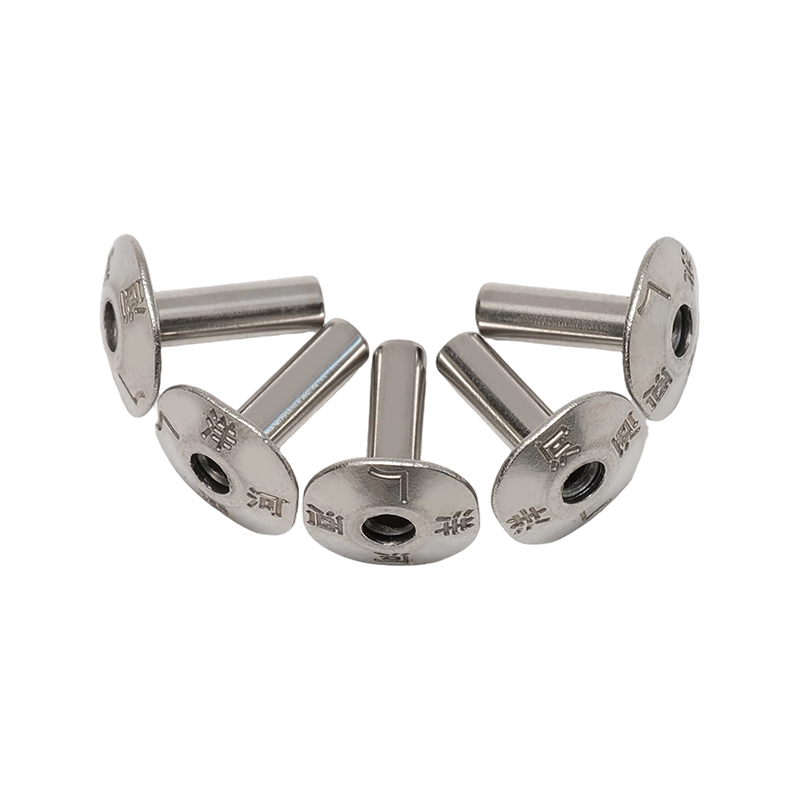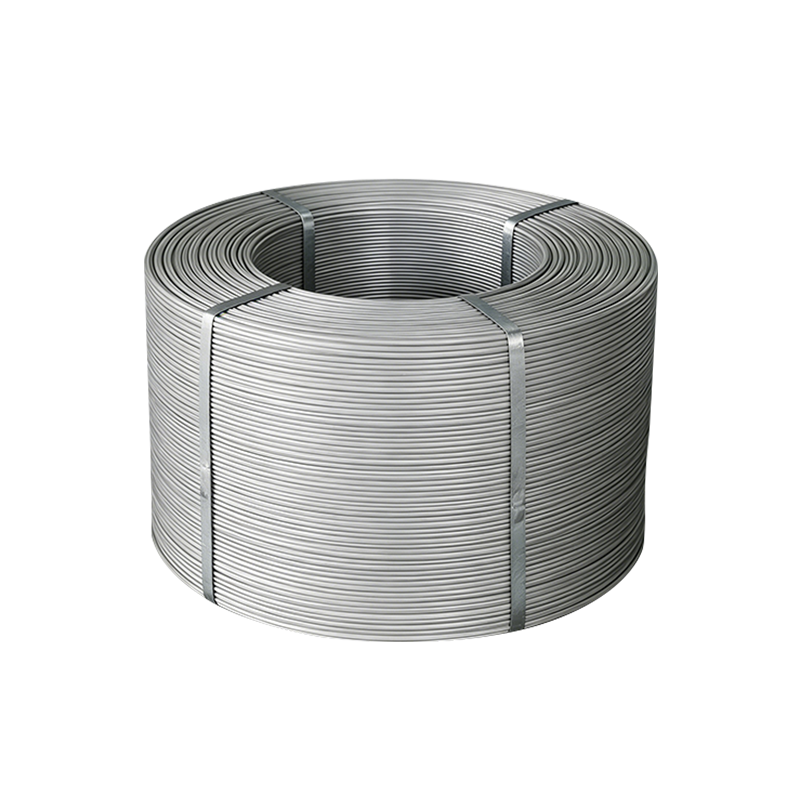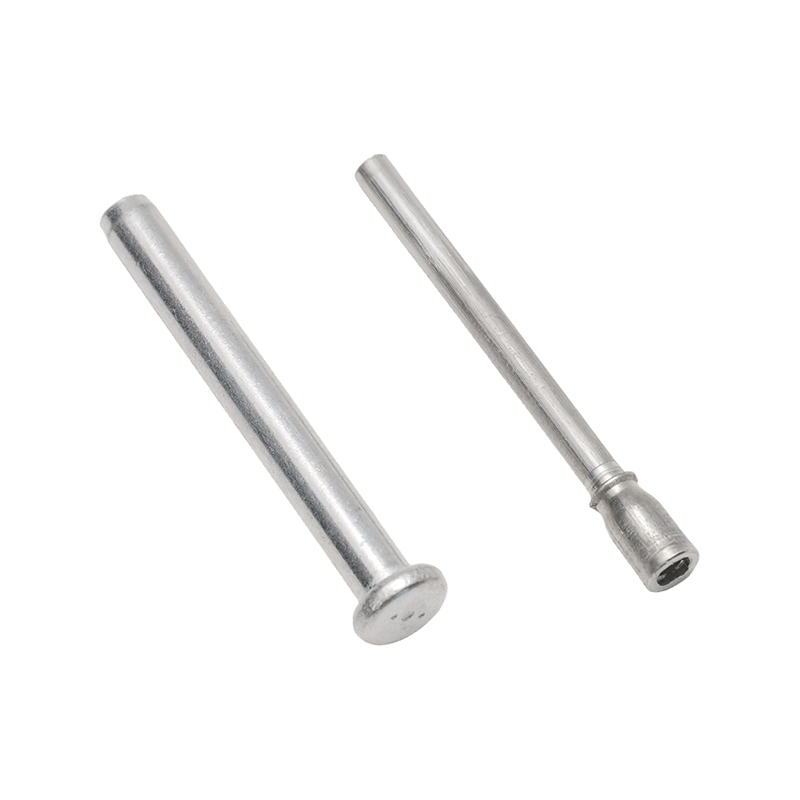
As an innovative pioneer in the field of aluminum alloy materials in China, Jiangsu Hetuo Aluminum Wire has always been guided by customer needs and aimed at customer satisfaction since its establishment in 2019. It has built an intelligent manufacturing system covering the entire industry chain, including high-purity aluminum wire, high-strength aluminum alloy wire, aluminum and aluminum alloy welding materials. The company is located in Guannan Economic Development Zone, Lianyungang, with a superior geographical location and convenient transportation. The high-speed rail business circle radiates within 3 kilometers. As China Aluminum Rod Factory and Soft Aluminum Wire Manufacturers, the company relies on the location advantage of Lianyungang National New Materials Industry Base to build a "1-hour overseas circle" logistics system. All of our products comply with international quality standards, and our export map covers many high-end markets abroad.
At present, the company's factory covers an area of 40000 square meters and has 60 employees, including 30 professional managers and technicians. To ensure customer satisfaction, we have introduced advanced equipment and facilities, and strictly implement quality inspection measures at every stage of the production process. In addition, our ISO-9001 quality system and IATF 16949 quality management system have been professionally certified.
Aluminum wire in the as-drawn condition carries significant residual stress and elevated dislocation density — the direct result of cold work accumulated through successive die reductions. This work-hardened state raises tensile strength but reduces elongation and formability to a range that is incompatible with many downstream processes: fine-pitch coil winding, small-radius bending, crimping into connector terminals, or any application where the wire must conform to a geometry without cracking. Annealing reverses this condition through a controlled thermal cycle that allows dislocations to annihilate and grains to recrystallize into a low-defect, equiaxed microstructure. The result is soft aluminum wire with elongation values typically exceeding 20–25%, tensile strength reduced to the 55–95 MPa range depending on purity, and a surface that accepts forming operations without micro-fracture initiation.
The critical process variables are time, temperature, and atmosphere. Under-annealing leaves partially recovered microstructure with uneven mechanical properties along the coil length — a problem that only manifests during downstream processing when one section of the wire behaves differently from another. Over-annealing causes excessive grain growth, which reduces fatigue resistance and can produce an orange-peel surface texture visible after forming. Controlled-atmosphere furnaces prevent surface re-oxidation during the thermal cycle, preserving the wire's surface quality for subsequent bonding, soldering, or coating operations. For high-purity grades, annealing temperature windows are narrower because the absence of solute atoms that pin grain boundaries means grain growth accelerates more rapidly above the recrystallization threshold.
Wire quality is fundamentally constrained by rod quality — defects introduced at the casting and rolling stage propagate through every subsequent drawing pass and cannot be removed by downstream processing. Aluminum rod produced via the continuous casting and rolling (CCR) process — the industry standard for electrical-grade and general-purpose wire rod — achieves a fine, uniform grain structure and consistent chemistry through rapid solidification followed by immediate hot reduction. The key quality parameters are chemical composition uniformity (avoiding segregation zones where alloying element concentration deviates from nominal), inclusion content (oxide films and non-metallic particles that act as crack initiation sites in drawn wire), and surface condition (cracks, laps, or rolled-in oxide that create seams in the finished wire).
Rod diameter — typically 9.5 mm or 12 mm for wire drawing feedstock — sets the total reduction ratio available before the wire reaches its target diameter. Higher total reduction delivers finer grain structure and higher as-drawn strength, but also requires more intermediate annealing stages to maintain ductility. For manufacturers drawing to fine diameters below 0.5 mm, rod cleanliness becomes especially critical: an inclusion that is inconsequential in a 2 mm wire will cause a break in a 0.1 mm wire, disrupting production and introducing length discontinuities into the finished coil. Vertically integrated producers who cast and roll their own rod can implement chemistry controls and inspection protocols at the source, rather than accepting incoming rod variation as an uncontrollable input. Jiangsu Hetuo Aluminum Wire's intelligent manufacturing system covering the full industry chain reflects precisely this logic — managing quality from the earliest production stage rather than attempting to compensate for upstream variability later.
The specification of 99.9% pure aluminum wire (3N grade) over standard 1350 electrical-grade aluminum (99.5% minimum) is justified by a specific set of application requirements, not by a general preference for higher purity. The measurable differences at the 3N threshold include electrical resistivity reduction of approximately 3–5% compared to 1350-H19, improved low-temperature ductility relevant to cryogenic service, and a more predictable recrystallization response during annealing — particularly valuable in processes where tight mechanical property tolerances are required across large production volumes.
Transformer and reactor winding represents one of the most consistent demand segments for 3N wire. In high-efficiency distribution transformers targeting IEC efficiency class losses, the marginal conductivity improvement from 3N versus 1350 wire translates to measurable no-load loss reduction — significant when multiplied across tens of thousands of installed units operating continuously over a 30-year service life. In fine-wire applications for microelectronics and sensor manufacturing, 3N purity provides a stable, well-characterized baseline for bonding behavior and contact resistance that 1350-grade material cannot guarantee due to its permitted Fe and Si impurity range. Thermal spray coating applications also favor 3N wire for its consistent oxide formation behavior, which affects coating adhesion and porosity in ways that vary with impurity content. The decision threshold in practice is whether the application's performance specification can be met by 1350 or requires the tighter electrical, mechanical, or surface chemistry control that 3N delivers.
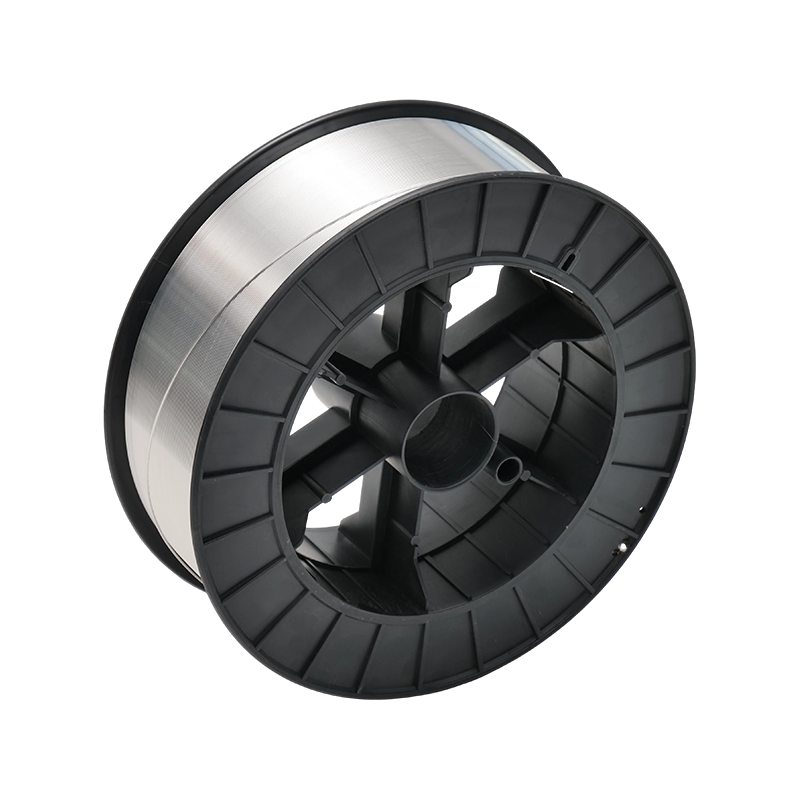
Wire that meets every chemical and mechanical specification can still cause production disruption if packaging geometry is incompatible with the buyer's wire feed equipment. Spool dimensions — flange diameter, barrel diameter, traverse width, and core diameter — must match the machine's reel holder and guide geometry. A mismatch of even a few millimeters in core diameter can prevent the spool from seating correctly, causing wobble that translates to tension variation and ultimately inconsistent wire delivery. For automated winding, bonding, and welding equipment, the acceptable tolerance on spool geometry is often tighter than the wire dimensional specification itself, and suppliers who treat packaging as an afterthought create integration problems that their customers' engineering teams must solve at installation.
Coil weight and length consistency matter for production planning and inventory management. A buyer running a continuous winding operation needs to predict changeover frequency accurately; coils with variable fill weight introduce scheduling uncertainty. Moisture-barrier packaging is standard for aluminum wire storage, but the sealing integrity of that packaging — particularly whether the seal survives transit vibration and temperature cycling — determines whether the wire arrives in the same condition it left the factory. Jiangsu Hetuo Aluminum Wire's logistics infrastructure, built around a one-hour overseas shipping circle from the Lianyungang National New Materials Industry Base, shortens transit time and reduces the cumulative environmental exposure that packaging must protect against. For international buyers, shorter, more direct supply chains reduce not just lead time but also the handling events — consolidation, transshipment, customs holds — where packaging integrity is most at risk.



General Manager ( Kaihao Wang ) : +86-18961612067 / [email protected]
Deputy General Manager ( Zhilong Shuang ) : +86-13908684596 / [email protected]
Foreign Trade Sales Manager ( Chenxu Zha ) : +86-15961627690 / [email protected]
Domestic Trade Sales Manager ( Shengjing Jin) : +86-13485055650 / [email protected]

Small and Medium-sized Enterprises Park, Economic Development Zone, Guannan County, Lianyungang City, Jiangsu Province, China

We specialize in high-grade aluminum alloy rods, welding wires, and precision profiles
Copyright © 2026Jiangsu Hetuo Aluminum Wire Co., Ltd.
 Wholesale High Purity Aluminum Wire Manufacturers


 English
 中文简体
中文简体 русский
 Deutsch