

 English
 中文简体
 русский
 Deutsch
Soft aluminum wire is the material you reach for when a job calls for bendability rather than brute strength. It coils tightly around a transformer core, feeds smoothly through a welding torch, and upsets into a rivet head without cracking. In metallurgical terms, soft describes a temper rather than a grade: the wire has been fully annealed, so its internal structure is relaxed, its elongation is high, and its tensile strength is deliberately kept low.
Because the word soft is used loosely across the industry, buyers sometimes end up with the wrong product. A coil of 1350-O conductor wire and a coil of AlMg6 rivet wire both feel flexible in the hand, yet they behave very differently on a drawing bench or in a cold-heading machine. This guide covers the grades, tempers, properties and quality checks that decide whether soft aluminum wire performs the way your process needs it to.
Content
- 1 What Soft Really Means in Aluminum Wire
- 2 Grades Commonly Supplied in the Soft Temper
- 3 Softness Compared Across Tempers
- 4 Properties That Matter on the Production Line
- 5 Where Soft Aluminum Wire Earns Its Place
- 6 From Rod to Soft Wire: How the Temper Is Built
- 7 Choosing the Right Soft Wire for Your Process
- 8 Quality Checks Worth Asking About
What Soft Really Means in Aluminum Wire
Aluminum wire does not leave the drawing die soft. Every pass through a die squeezes the metal and makes it stronger and stiffer. To reach the soft condition, the wire is annealed: it is heated to roughly 300-400 °C, held long enough for new grains to form, then cooled along a controlled curve. The result is the lowest tensile strength and the highest elongation available in that alloy.
That is why softness is written as a temper, not a grade. Two coils can be drawn from exactly the same 1350 aluminum and still behave completely differently, because one is O temper and the other is H14. When a customer tells us a previous coil simply felt harder, the answer is almost always on the temper line of the mill certificate.
Temper designations you will see on a certificate
O means fully annealed, the softest condition available. H111 describes wire given a light strain hardening after its final anneal, which adds a little stiffness while keeping most of the ductility. H112 means the wire was formed with no special control of temper. H12, H14 and H16 indicate quarter hard, half hard and three-quarter hard. Soft aluminum wire is therefore normally ordered as O, and only occasionally as H111 when slightly firmer wire feeds better on high-speed equipment.
Softness is confirmed with numbers rather than by hand. A mill certificate should show tensile strength, yield strength, elongation and, for conductor grades, electrical conductivity. A wrap test around a mandrel of a specified diameter is the quickest practical check that the wire will survive bending without cracking.
Grades Commonly Supplied in the Soft Temper
Purity decides conductivity and formability; magnesium decides strength. The table below summarises the grades we are asked about most often in the soft condition and what they are usually expected to do.
| Grade | Main alloying element | Soft temper | Tensile strength (MPa) | Elongation (%) | Typical soft-wire use |
|---|---|---|---|---|---|
| 1090 | 99.0% Al minimum | O | 60-95 | 25 or more | Fine stranding, braid, tight winding |
| 1350 | 99.5% Al minimum | O | 60-95 | 25 or more | Electrical cable, transformer winding |
| 1050 | 99.5% Al minimum | O | 60-95 | 25 or more | Forming, braiding, decorative trim |
| 1100 | Al with copper | O | 75-105 | 20 or more | Cold heading, heat-exchange parts |
| 5052 | Al with 2.5% Mg | O | 170-215 | 12 or more | Screens and parts needing strength with flexibility |
| AlMg6 | Al with about 6% Mg | O | 260-320 | 15 or more | Rivet wire, cold-formed fasteners |
Treat those ranges as a starting point rather than a contract, and confirm the exact specification before releasing a purchase order.
Where the application points toward a high-purity conductor, 1090 aluminum wire in the annealed condition pairs a very low impurity level with the ductility needed for fine stranding and tight winding.
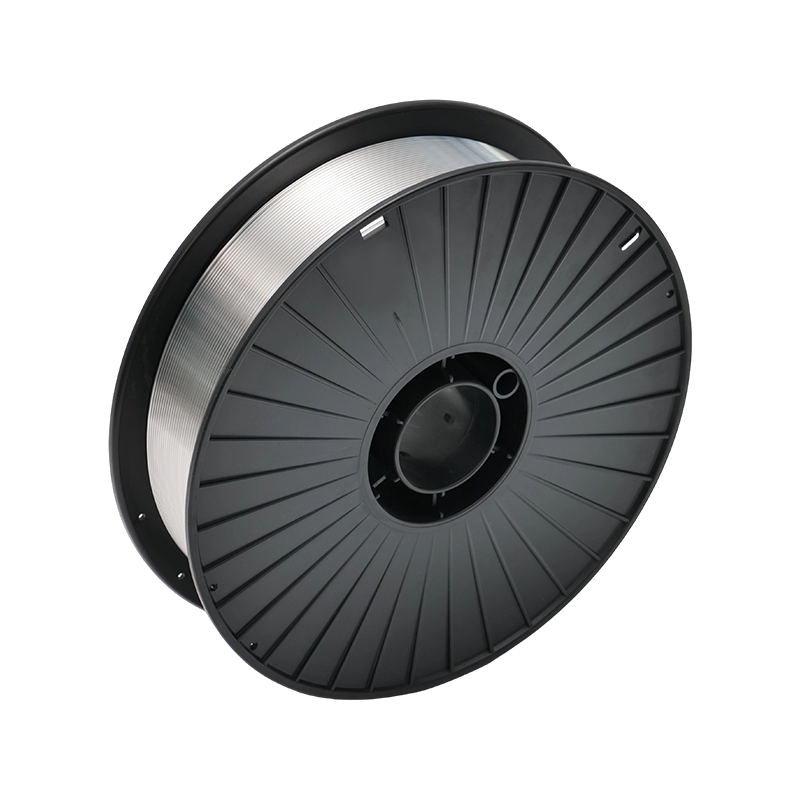 1090 High-Purity Aluminum Wire for Annealed ConductorsHigh-purity customizable aluminum wire with Al above 99.90%, suited to fine stranding and tight winding when annealed, and used in evaporation and spraying.View Product →
For a wider view of how these grades behave once they leave the soft temper, our overview of aluminum wire types, grades and applications is a useful companion read.
Softness Compared Across Tempers
The same alloy can be delivered in several tempers, and the gap between them is wide enough to change a process window. This comparison covers the conditions we are asked about most.
| Temper | Meaning | Strength level | Elongation (%) | Typical use |
|---|---|---|---|---|
| O | Fully annealed, the softest supply condition | Lowest | 25 or more | Winding, braiding, welding feed |
| H111 | Light strain hardening after final anneal | Slightly above O | Around 20 | Shielding that needs a little stiffness |
| H112 | Formed without special control of temper | Variable | Variable | General fabrication |
| H12 / H14 | Quarter hard and half hard | Clearly higher | 8-15 | Parts bent once, not repeatedly |
| H24 | Strain hardened then partially annealed | Between H14 and O | 12-20 | Rivets needing head strength |
If a part is bent once and never again, a quarter-hard wire can save cost. If it is coiled tightly, bent repeatedly or upset in a heading die, O temper is usually the only safe choice.
Properties That Matter on the Production Line
Buyers rarely select soft aluminum wire on tensile strength alone. In practice, a handful of characteristics decide whether a coil runs cleanly all shift:
- Elongation. The single best indicator of softness. Annealed 1350 and 1090 wire typically reach 25% or more; anything below that deserves a question.
- Conductivity. Electrical grades are usually specified at a minimum of 61% IACS, and impurities pull that number down.
- Diameter tolerance. Loose tolerance causes feed problems in welding and inconsistent resistance in winding.
- Surface condition. Drawing lubricant, oxide patches or die marks interfere with welding, soldering and coating.
- Spool consistency. Even cast and steady pitch prevent tangles and cut downtime on automated lines.
Turning those five points into a written specification, rather than ordering soft aluminum wire by name, removes most of the arguments that follow a disappointing delivery.
Where Soft Aluminum Wire Earns Its Place
Soft wire appears wherever the metal has to move. Those applications fall into a few recognisable groups.
Electrical conductors and windings
Transformer windings, braided shields and flexible connections rely on annealed wire that bends to a tight radius without work hardening at the bend. Conductivity matters here as much as softness, which is why high-purity grades dominate.
Rivets and cold-headed parts
Rivet production is a forming operation followed by a strength requirement: the shank must upset into a head without splitting, and the finished rivet must hold. Wire is selected so the soft condition allows clean heading while the alloy itself supplies the strength the fastener needs.
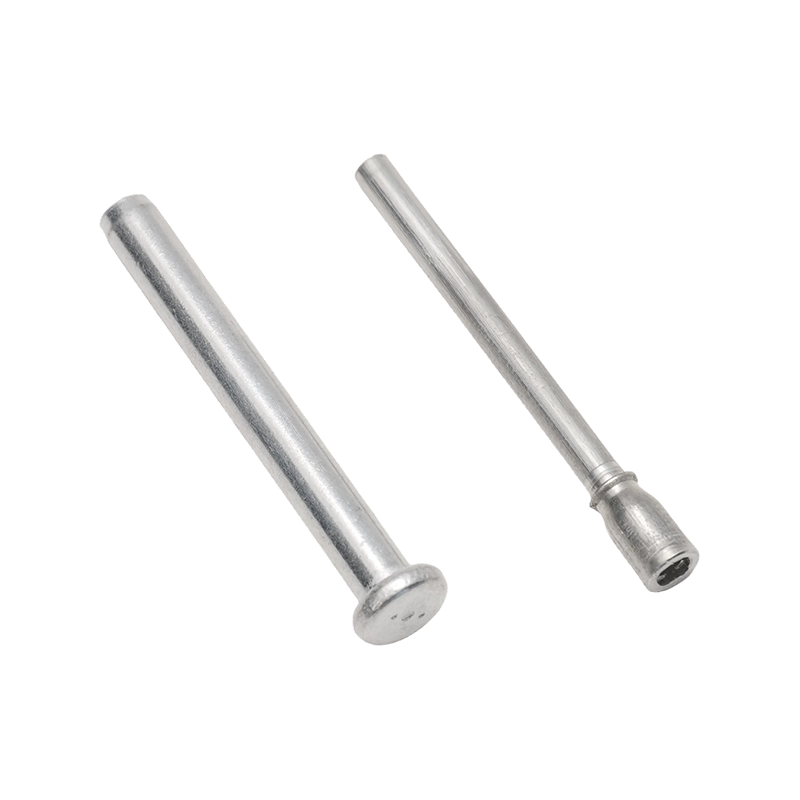 Custom Aluminum Rivet Wire for High-Strength Fastener ProductionHigh-strength aluminum alloy wire for rivets, with T6, T73 and T76 tempers balancing strength and corrosion resistance for aviation, aerospace and military uses.View Product →
Blind rivets, solid rivets and small cold-formed components all follow this logic, and alloy selection is often the difference between a smooth heading line and a scrap bin.
Welding filler wire
MIG and TIG fillers must feed through a torch liner for hours, straighten predictably and melt into a clean bead. Soft, properly annealed wire with a clean surface and consistent diameter does exactly that; wire with residual lubricant or hard spots sputters and birds-nests instead.
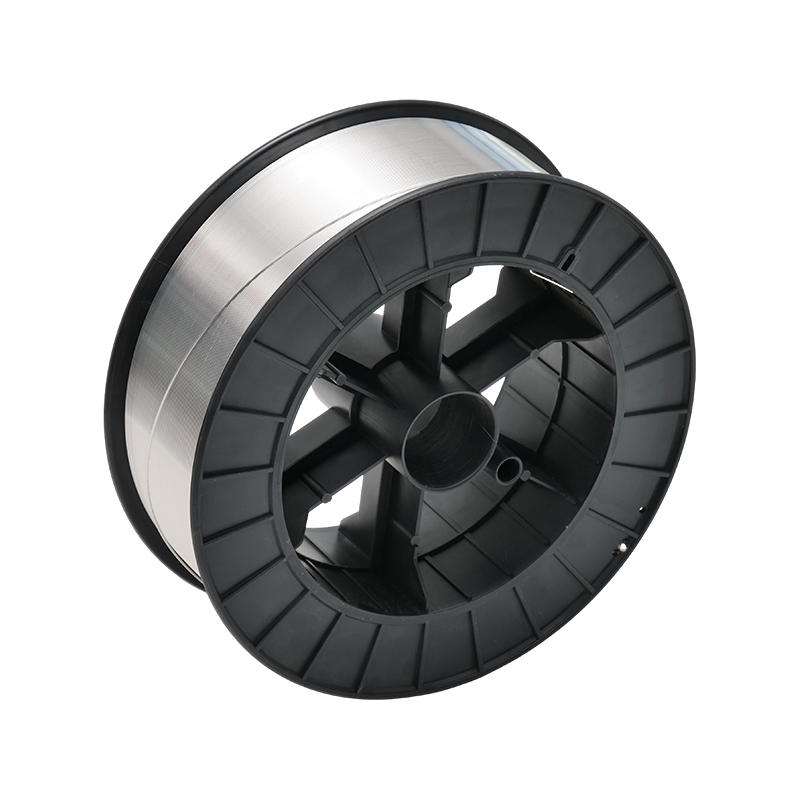 Custom MIG Wire for Aluminum WeldingCustom MIG wire mainly for consumable electrode argon arc welding, with contact options for specifications; clean feed and controlled annealing help avoid weld defects.View Product →
From Rod to Soft Wire: How the Temper Is Built
- Rod selection: chemistry is checked against the grade before any drawing starts.
- Drawing: multiple passes reduce the diameter, each one adding strength and removing ductility.
- Intermediate annealing: larger reductions are split by anneals so the wire never becomes too brittle to continue.
- Final anneal: temperature, holding time and cooling rate in a controlled atmosphere are what actually create the O temper.
- Surface finishing: degreasing, and pickling where required, remove lubricant and oxide.
- Spooling and inspection: wire is wound under controlled tension and released only against recorded test values.
Skip a step, or rush the cooling curve, and the coil still looks and feels soft, until it cracks in the customer machine. That is why lot traceability back to the annealing charge matters more than most buyers expect.
Choosing the Right Soft Wire for Your Process
Selection is quicker when you work backwards from the finished part.
- Define the mechanical job: bending, heading, winding or feeding, each puts a different demand on elongation.
- Check whether conductivity is a requirement. If it is, start from a high-purity grade; if not, an alloy such as AlMg6 can give useful strength in a soft temper.
- Fix diameter and tolerance, and accept that tight tolerance usually pays for itself in reduced downtime.
- Specify the surface finish, since welding and coating need bright, residue-free wire.
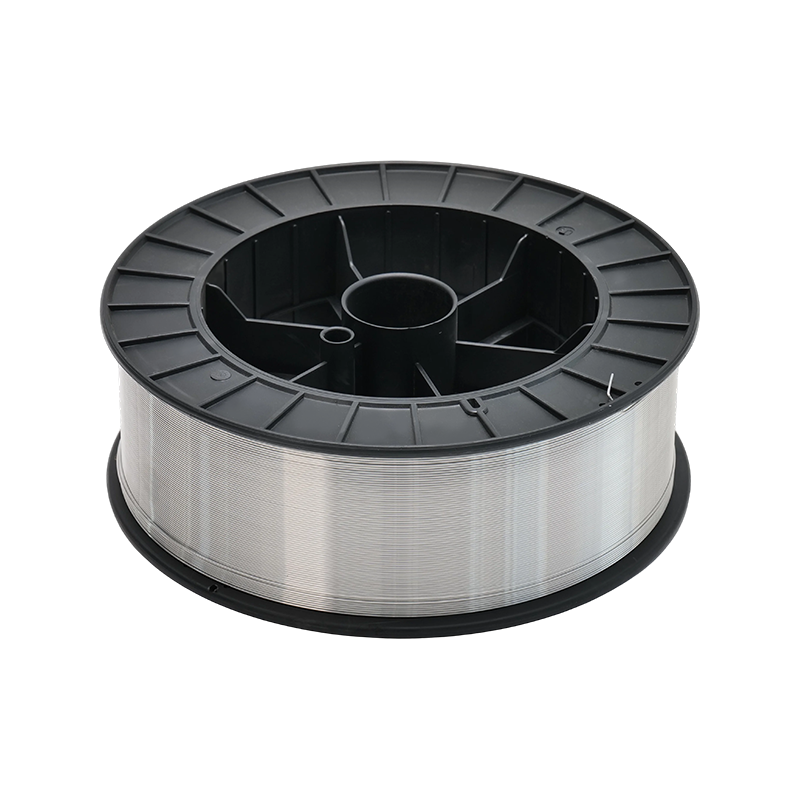
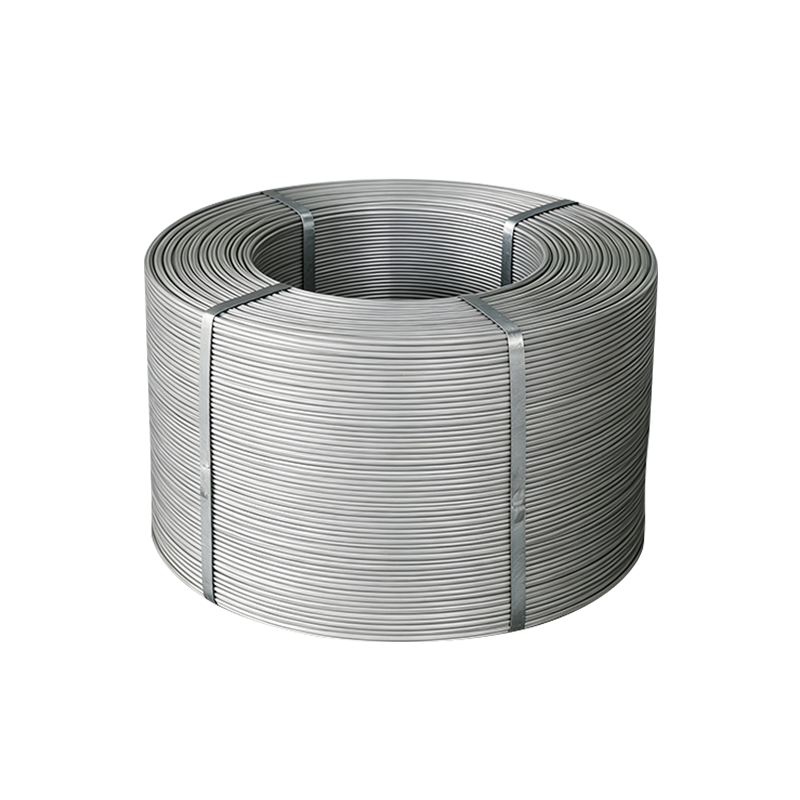
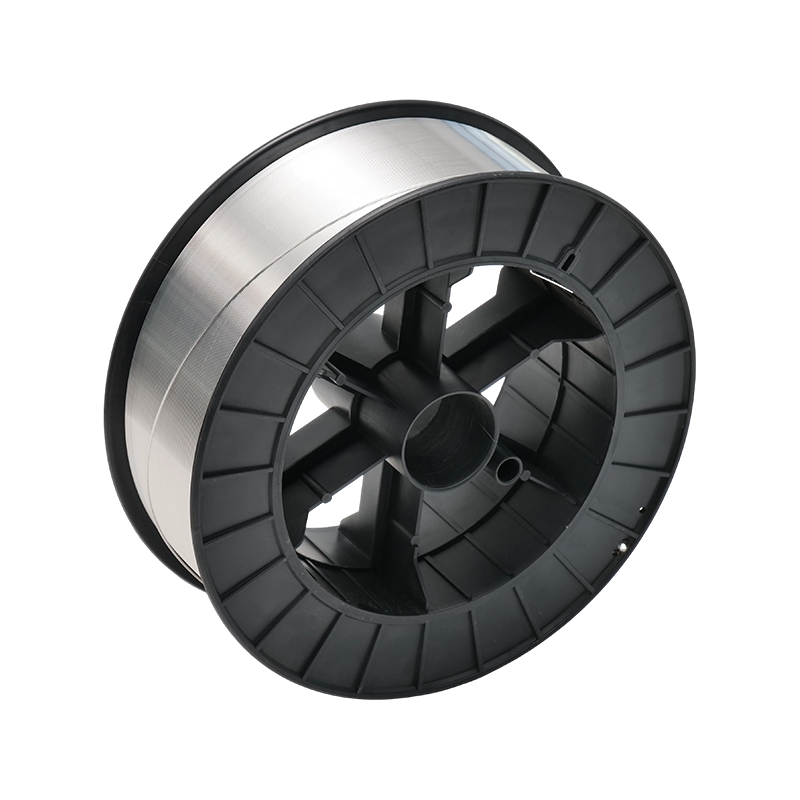
- Choose the delivery format: spools for automated feeding, coils for high-volume users.
- Ask for a sample coil. A small sample through your own machine answers more questions than any data sheet.
Quality Checks Worth Asking About
Soft aluminum wire is easy to buy and just as easy to buy badly. Before a repeat order, it is reasonable to ask which management systems stand behind the mill certificate, how each production stage is inspected, and whether test data can be traced back to your specific lot.
We built that record deliberately at Jiangsu Hetuo Aluminum Wire Co., Ltd.: ISO 9001-2015 certification in September 2021, CE certification in October 2022 and IATF 16949:2016 certification in May 2023, with inspection at every stage of production. More background is available in our notes on our commitment to quality.
Soft aluminum wire is a small purchase with a large effect on yield. The grade decides conductivity, the temper decides formability, and the surface decides how the wire behaves in the torch or on the heading die. Line those three up and the rest of the process becomes predictable.
If you are unsure which grade or temper suits your application, send us the part drawing or a description of your process. Our team at Jiangsu Hetuo Aluminum Wire Co., Ltd. works from a 40,000 square metre plant in Guannan, Lianyungang, with 60 employees, half of them engineers and technical staff, and will come back with a grade recommendation, a diameter range and a sample coil you can run on your own line.