

 English
 中文简体
 русский
 Deutsch
Aluminum alloy welding wire is one of those consumables that looks simple on a shelf and becomes much more interesting the moment a weld starts to porosify, crack, or feed badly. The wire is not just filler metal. It influences arc stability, bead shape, corrosion resistance, post-weld finishing, and how forgiving the whole job feels in the shop.
This guide walks through the main wire grades, the practical differences between MIG and TIG aluminum welding, and the selection points that matter when you are buying for production, repair, or a new project.
Content
What Aluminum Alloy Welding Wire Is Actually Doing
In aluminum welding, the filler wire becomes part of the joint. Its chemistry needs to work with the base alloy, the service environment, and the welding process. A wire that welds beautifully on clean 6061 sheet may not be the right choice for a casting, a marine bracket, or an anodized part that must match color after finishing.
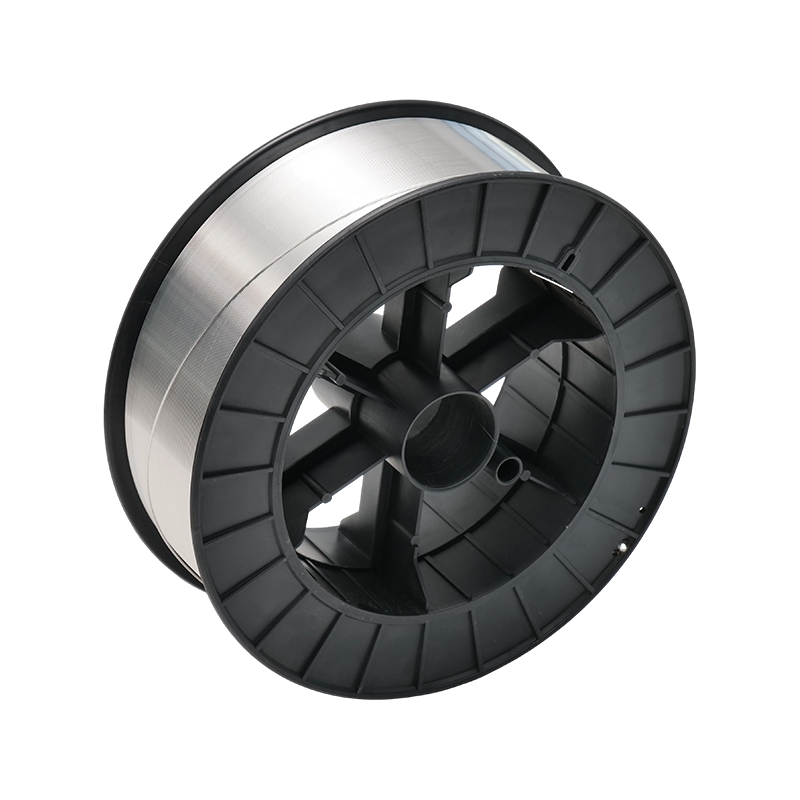
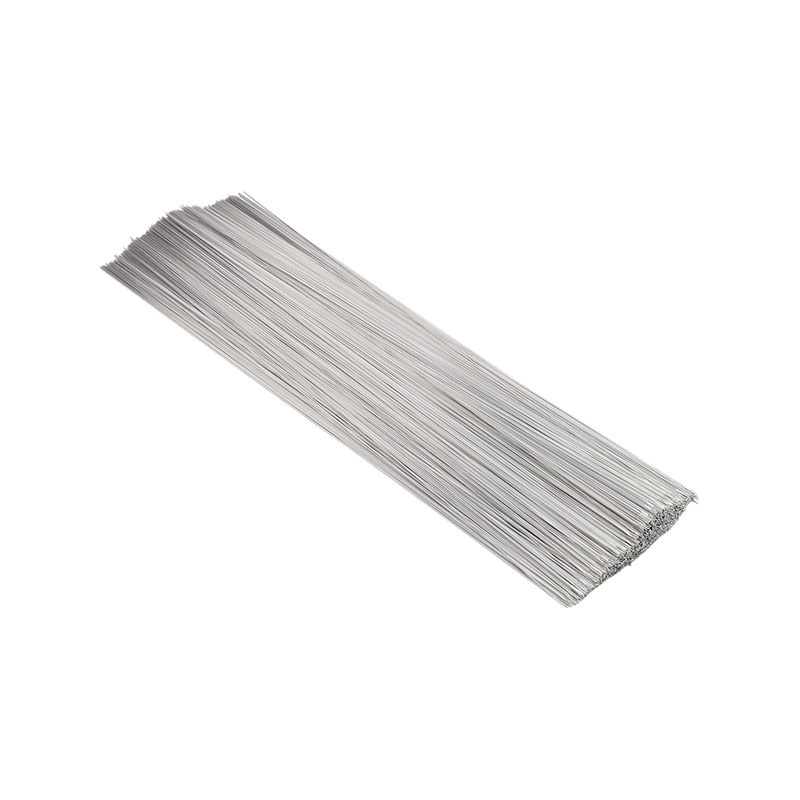
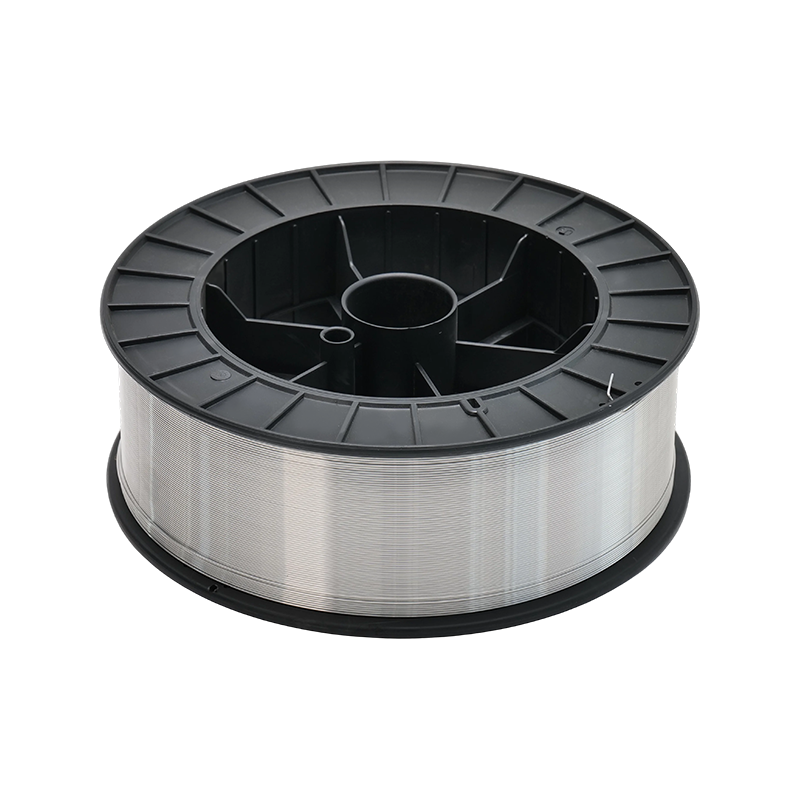
Wire diameter, surface cleanliness, spool winding, and consistency from lot to lot also matter. Aluminum is sensitive to oxide and moisture, so a dry, clean wire with reliable feed characteristics is worth more than a vague “premium” label. For MIG, the wire must move smoothly through a liner and gun without kinking. For TIG, straight lengths should be clean, clearly identified, and easy to handle at the bench.
The Main Grades You Will See in the Shop
Most aluminum alloy welding wire discussions come back to a small family of filler grades. Each has a personality, and the right choice depends on what the weld must do after the arc goes out.
ER4043: The Familiar General-Purpose Filler
ER4043 is an aluminum-silicon filler with about 5% silicon. It offers good weldability, a fluid puddle, and reasonable resistance to hot cracking on many heat-treatable alloys. It is often used for castings, general fabrication, and repair work. The trade-off is lower strength than the 5xxx magnesium fillers and a weld that may darken or respond differently when anodized.
ER5356: Strength and Corrosion Resistance
ER5356 is an aluminum-magnesium filler with roughly 5% magnesium. It is a common choice when higher strength, good corrosion resistance, and better anodizing response are needed. It works well on 5xxx and 6xxx base metals and is widely used in marine, transportation, and structural work. It can be less forgiving than ER4043 on some castings, so base metal identification still matters.
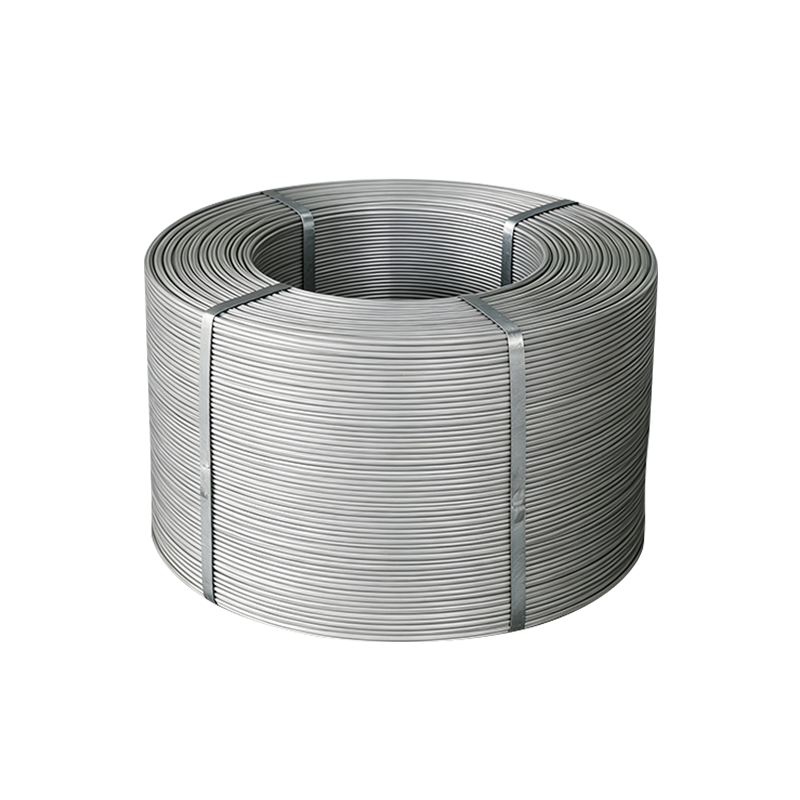 AlMg6 High-Strength Aluminum Alloy WireA high-magnesium aluminum wire for structural, marine, and transport work, with good exfoliation corrosion resistance and weldability.View Product →
ER5183: For Demanding Marine and Heavy-Duty Work
ER5183 is another magnesium-based filler, generally chosen when higher strength and toughness are important. It is often associated with marine fabrication and heavy-duty aluminum structures. It is not a universal substitute for ER5356, but it can be a sensible step up when the joint is expected to carry load in a corrosive environment.
ER4047: High Silicon for Specific Jobs
ER4047 contains about 12% silicon. Its lower melting range and high fluidity make it useful for thin material, brazing-type work, and some repair situations where a more forgiving puddle is helpful. It is more of a specialist filler than a default choice for general structural welding.
| Grade | Core alloy family | Typical strength | Corrosion resistance | Common fit |
|---|---|---|---|---|
| ER4043 | Al-5Si | Moderate | Good | General fabrication, castings, repair |
| ER5356 | Al-5Mg | Higher | Very good | Marine, structural, anodized work |
| ER5183 | Al-Mg-Mn | High | Very good | Heavy-duty and marine joints |
| ER4047 | Al-12Si | Moderate | Good | Thin sheet, brazing, specialist repair |
How to Match the Wire to the Job
Start with the base metal, not the wire catalog. Confirm whether the part is 6061, 5052, 5083, 3003, a casting alloy, or something unknown. Then ask what the weld must survive: load, vibration, salt spray, cleaning chemicals, anodizing, or cosmetic inspection.
Process position also matters. A wire that runs well flat may behave differently overhead or in a vertical position. For production work, consistency and feedability can matter as much as nominal chemistry. It is also worth checking diameter tolerance, spool condition, and whether the wire is supplied in the packaging your feeders handle well.
When you are comparing options, our aluminum and aluminum alloy welding materials range is organized around these practical differences rather than a single “one wire fits all” claim.
MIG and TIG: Two Different Habits
MIG welding aluminum is fast and productive, but it asks for clean preparation and steady wire feeding. Aluminum wire is softer than steel wire, so liner condition, drive roll tension, and gun angle matter. A push angle helps keep the arc ahead of the puddle, and a consistent travel speed reduces the chance of cold lap or erratic deposition. Argon shielding is common, while argon-helium mixes may be used where more heat input is needed.
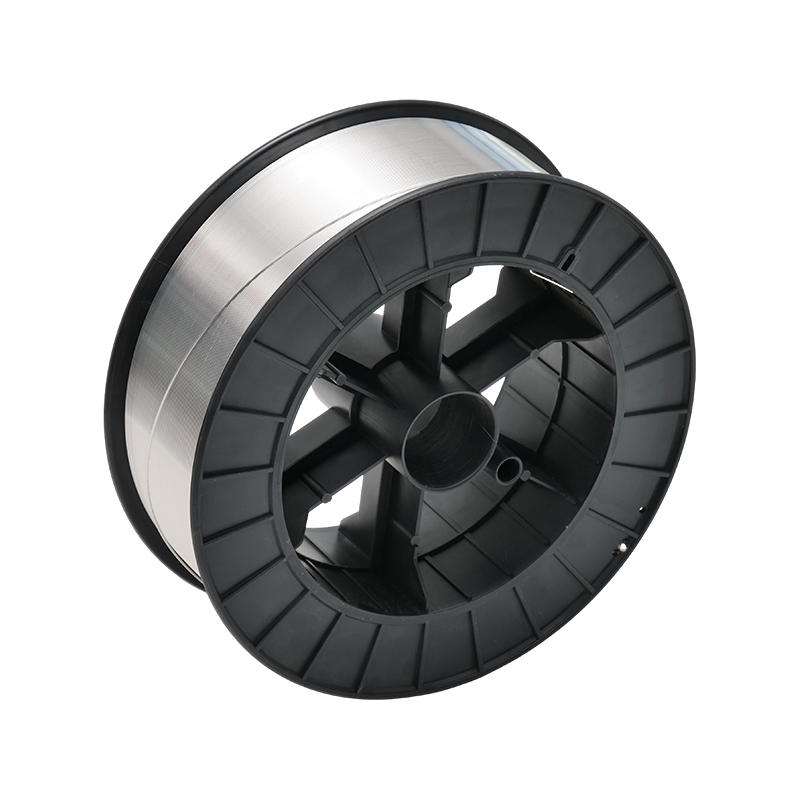 MIG Wire for Aluminum Arc WeldingA custom MIG wire for melting-electrode argon arc welding, suited to aluminum fabrication where clean preparation and steady feeding matter.View Product →
TIG welding aluminum is slower and more manual, but it gives the operator fine control over heat and bead shape. AC TIG is widely used because the alternating current helps break up the oxide layer while still providing cleaning action. Filler selection still follows the same logic: match the base metal and service needs, then adjust technique to the thickness and joint design.
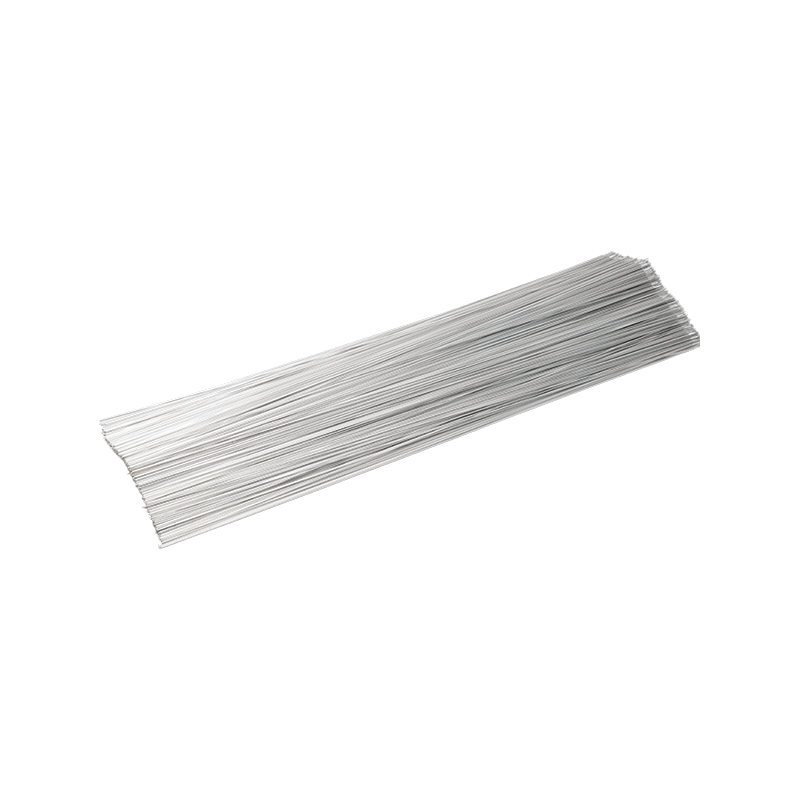 TIG Wire for Non-Melting Electrode Arc WeldingA custom TIG wire for non-melting electrode argon arc welding, intended for aluminum work where heat control and pre-weld cleanliness are important.View Product →
In both processes, cleanliness is not a small detail. Oil, moisture, cutting fluid, and heavy oxide can turn a good wire into a poor weld. Stainless brushes should be kept for aluminum only, and pre-weld cleaning should be consistent enough that the operator is not guessing from one part to the next.
Where Aluminum Welding Wire Goes to Work
You will find aluminum alloy welding wire in truck bodies, trailers, boat hulls and fittings, pressure vessels, heat exchangers, rail components, architectural frames, repair shops, and general metal fabrication. Each setting puts a different weight on strength, corrosion resistance, appearance, or productivity.
A marine fabricator may care most about corrosion and toughness. A repair shop may value a forgiving puddle and easy availability. A production line may care about feed consistency, spool changeovers, and lot traceability. That is why the same filler grade can be excellent in one context and merely acceptable in another.
Quality Checks That Save Rework
Wire quality shows up in small ways before it shows up in a failed weld. Look for consistent diameter, clean surface, tight spool winding, clear grade marking, and packaging that keeps moisture out. Incoming inspection should include the basics: spool condition, wire surface, and identification against the purchase order.
At Jiangsu Hetuo Aluminum Wire, we produce aluminum and aluminum alloy welding materials in Lianyungang, China, with quality systems that include ISO 9001 and IATF 16949. That background supports the quality control behind our welding wire, from incoming material checks to final packing. For buyers, the practical benefit is fewer surprises when a new lot reaches the welding cell.
A Simple Selection Checklist
- Identify the base alloy and its temper before choosing filler chemistry.
- Decide whether strength, corrosion resistance, anodizing response, or weldability is the priority.
- Match the filler to the process: spooled wire for MIG, straight lengths for TIG where required.
- Check thickness, joint design, and welding position against the recommended diameter and current range.
- Confirm surface cleanliness, packaging, and lot identification before production begins.
- Run a trial weld on scrap from the same alloy family whenever a new lot or grade is introduced.
Final Thought
Aluminum alloy welding wire rewards a little preparation. Know the base metal, choose the grade for the service condition, keep the wire clean and dry, and tune the process to the job instead of forcing one setup across every part. That approach rarely feels dramatic, but it is usually what separates consistent aluminum welding from a day of rework.