

 English
 中文简体
 русский
 Deutsch
When engineers need a permanent, dependable way to join metal parts, standard rivets and fasteners are often the first solution that comes to mind. For more than a century, rivets have held together aircraft fuselages, steel bridges, railway carriages, and industrial assemblies. Simple in concept and proven in practice, their performance depends entirely on the quality of the material from which they are made. As a producer of aluminum wire for the fastener industry, we have seen how the right rivet wire can mean the difference between a joint that lasts for decades and one that fails before its time.
Content
What Are Standard Rivets and Fasteners?
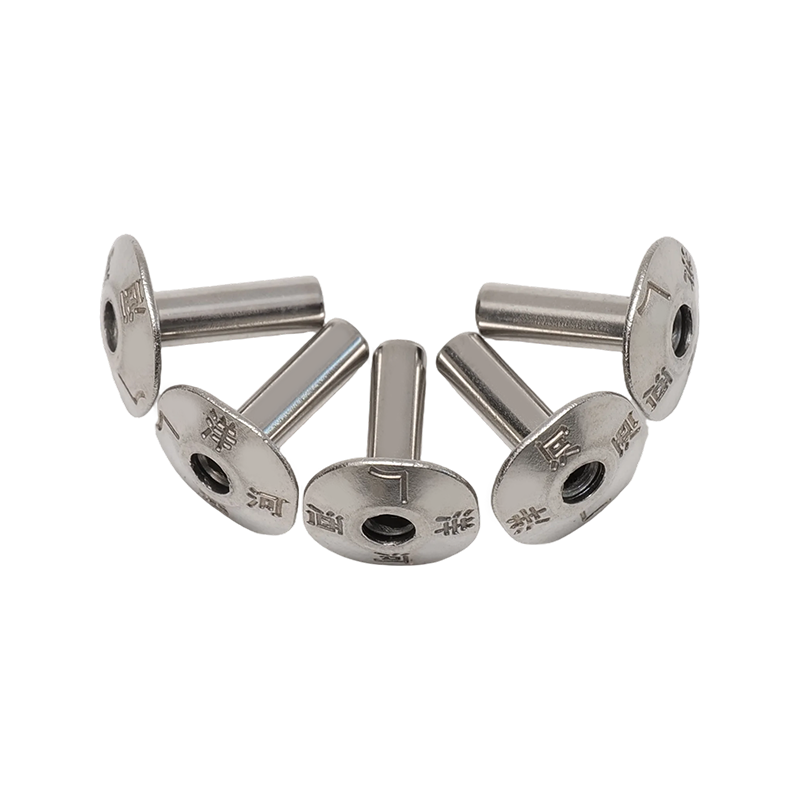
A rivet is a permanent mechanical fastener that consists of a smooth cylindrical shank and a pre-formed head. During installation, the tail end of the rivet is upset, bucked, or pulled to form a second head, clamping the joined materials between the two heads. Unlike screws or bolts, rivets have no threads and do not depend on tightening torque. This gives them two important advantages: they resist loosening under vibration, and they can be installed quickly with relatively simple tooling.
Rivets are also favored in high-volume production because installation can be automated. An operator or robotic tool can set hundreds of rivets per hour with consistent quality. In addition, a rivet typically costs less than a comparable bolt, nut, and washer combination, making riveting an economical choice for mass-produced assemblies.
Standard rivets are manufactured in a variety of head styles — round, flat, countersunk, and universal — and in diameters commonly measured in 1/32-inch increments. Most rivets used in general industry fall into a few well-recognized categories, which we summarize below.
Common Rivet Types and Their Applications
Choosing the right rivet type is the first step in designing a sound joint. Each category offers a different balance of strength, installation speed, and access requirements.
| Rivet Type | Typical Applications | Access Needed | Relative Strength |
|---|---|---|---|
| Solid rivet | Aircraft, bridges, heavy machinery | Both sides | Highest |
| Semi-tubular rivet | Brake linings, light structural assemblies | Both sides | High |
| Full tubular rivet | Leather goods, soft materials, hinges | Both sides | Medium |
| Blind rivet | Panels, enclosures, field repairs | One side | Medium |
| Drive rivet | Nameplates, trim, light fastening | One side | Low to medium |
| Structural blind rivet | Metal buildings, truck and trailer bodies | One side | High |
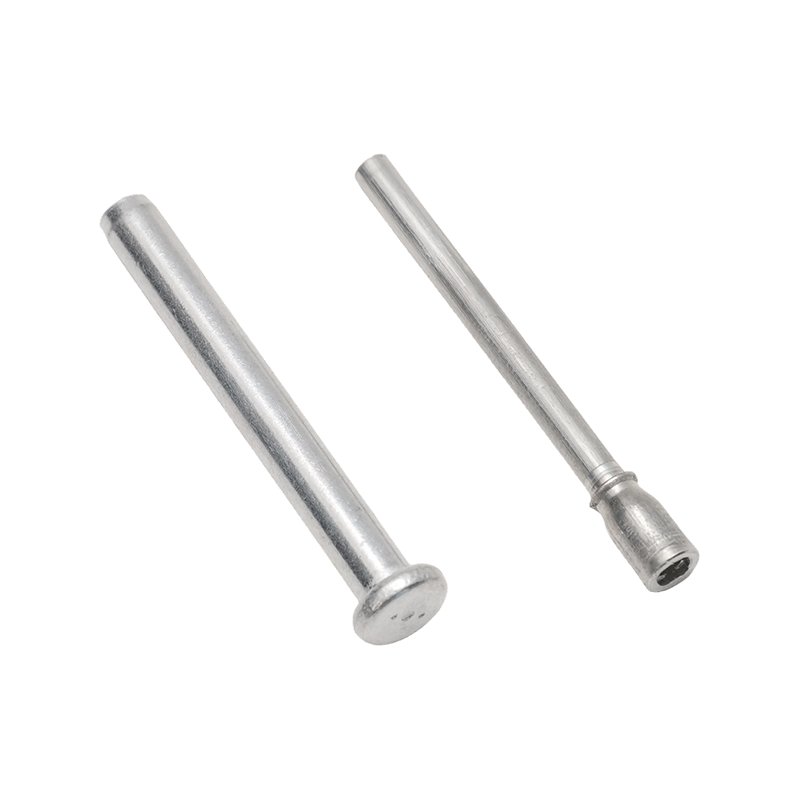
Solid and semi-tubular rivets are what most people picture when they hear the term "standard rivets." These rivets are formed by cold heading — a process in which a length of wire is cut, transferred into a die, and struck by a punch to form the head and, in some cases, a partial hole. Because cold heading preserves the grain structure of the metal, the finished rivet tends to be stronger than a machined one.
Blind rivets were developed for joints where only one side of the workpiece is accessible. The rivet is inserted through a pre-drilled hole, and a special tool pulls a mandrel through the body, expanding the tail to form the blind-side head. Structural blind rivets use stronger alloys and a designed stem lock to reach shear and tensile values close to those of solid rivets.
Why Rivet Wire Choice Determines Joint Performance
The performance of a riveted joint is governed as much by the rivet material as by the rivet geometry. A rivet must be ductile enough to deform during installation without cracking, yet strong enough to carry the service loads of the assembly. It must also resist corrosion in its intended environment and, in many cases, remain compatible with the materials being joined.
Aluminum alloys are among the most popular choices for standard rivets and fasteners because they offer a rare combination of light weight, corrosion resistance, and dependable mechanical properties. When aluminum rivets join aluminum workpieces, the risk of galvanic corrosion is eliminated — a critical advantage in automotive, aerospace, marine, and building applications.
Rivet manufacturers depend on aluminum wire that is consistent in composition, uniform in mechanical properties, clean on the surface, and precise in diameter. Variations in any of these characteristics can lead to cracked heads, inconsistent clinch, or premature failure in service. That is why experienced fastener producers choose their wire supplier with the same care they apply to their own manufacturing process.
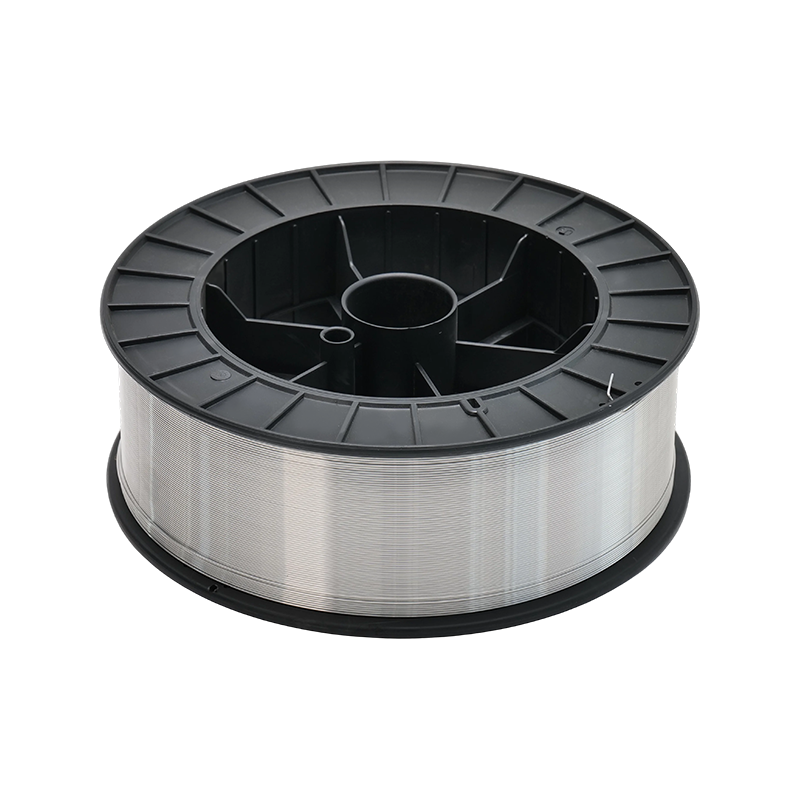
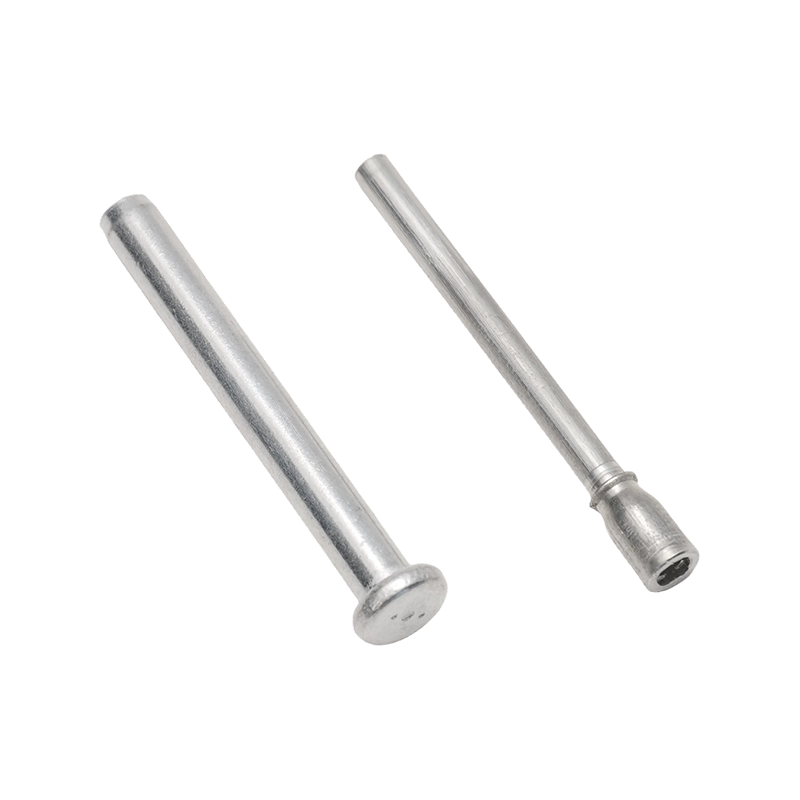 High-Strength Aluminum Alloy Wire for Demanding Rivet ApplicationsThis aluminum alloy wire is engineered for aviation, aerospace, and military fasteners, offering T6 high strength or T73 improved fracture toughness and stress corrosion resistance depending on heat treatment.View Product →
Aluminum Alloys Used for Rivet Wire
Different rivet applications call for different aluminum alloys. The table below shows alloy families commonly used in the production of standard rivets and fasteners, along with the properties that make each one valuable.
| Alloy Wire | Key Characteristics | Typical Rivet Use |
|---|---|---|
| 1090 high-purity aluminum wire | Excellent ductility, high electrical and thermal conductivity, very good corrosion resistance | Soft rivets for sealing, electrical contacts, and applications requiring maximum formability |
| AlMg6 aluminum alloy wire | High strength with good work hardening, excellent seawater corrosion resistance | Structural and semi-tubular rivets exposed to aggressive environments |
| Work-hardened aluminum wire | Balanced strength and ductility; available in a range of tempers | General-purpose solid and tubular rivets |
In our production facility in Lianyungang, Jiangsu Province, we draw these alloys into wire engineered specifically for cold heading. The wire must feed smoothly into high-speed rivet machines, form clean heads without cracking, and hold consistent dimensions across the entire coil. Aluminum-magnesium alloys such as AlMg6 offer an excellent balance because they strain harden during head formation, adding strength exactly where the rivet needs it most, while remaining ductile enough to avoid cracking in the die.
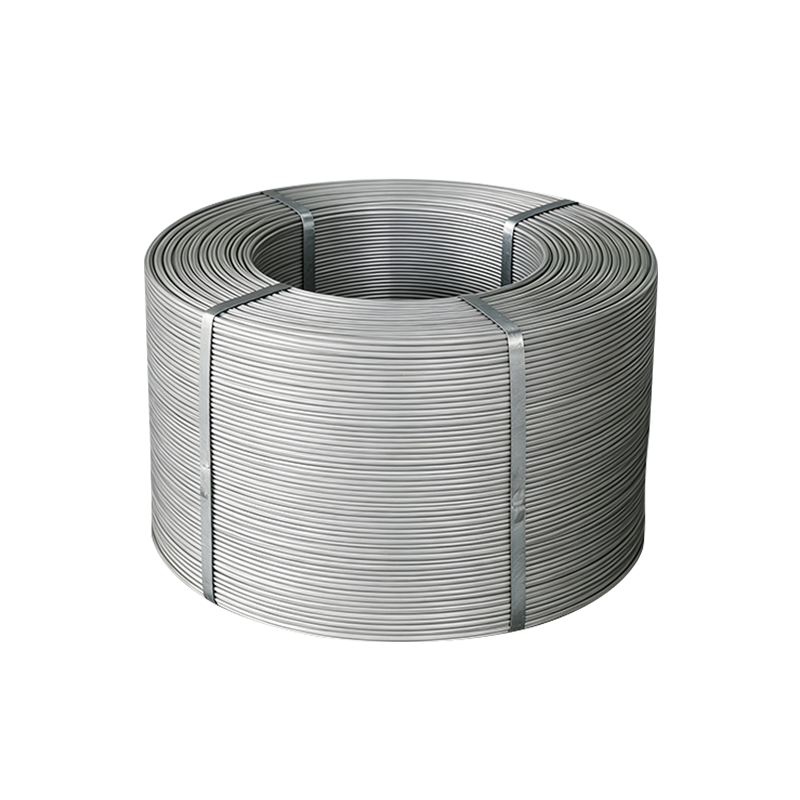 AlMg6 Aluminum Alloy Wire with Strain-Hardening PropertiesAlMg6 wire strain hardens during cold heading, adding strength where rivets need it while retaining ductility. It offers good exfoliation corrosion resistance and weldability for marine, automotive, and tank applications.View Product →
Selecting the Right Rivet Wire for Your Fastener Line
Choosing rivet wire for a fastener production line is not a one-size-fits-all decision. Experienced buyers evaluate several factors, including the required strength of the finished rivet, the ductility needed during heading, and the environment in which the fastener will serve.
- Tensile and shear strength: The rivet alloy must meet the joint design loads, including both static and fatigue loading.
- Ductility: The wire must form a full head and, for semi-tubular rivets, a rolled clinch without cracking.
- Corrosion resistance: The alloy should be matched to the service environment; marine atmospheres, for example, call for aluminum-magnesium alloys such as AlMg6 rather than soft pure aluminum.
- Surface quality: Clean, consistently lubricated wire extends tool life and prevents defects in the heading process.
- Dimensional consistency: Wire diameter must stay within tight tolerances so that rivet volumes remain consistent and tooling wear is predictable.
- Certification and traceability: A reliable supplier provides material test certificates and full traceability from alloy batch to finished coil.
Equally important is the temper condition of the wire as delivered. Wire that is too hard can crack during heading; wire that is too soft may not achieve the required mechanical properties in the finished fastener. A good supplier works with you to specify the correct temper, whether that means a fully annealed coil for maximum formability or a work-hardened temper for higher strength.
For applications that require maximum formability and high conductivity — such as certain electrical contacts and sealing fasteners — 1090 high-purity aluminum wire is an excellent starting point. In its softest temper, this alloy can be riveted easily while still providing the natural corrosion resistance of high-purity aluminum.
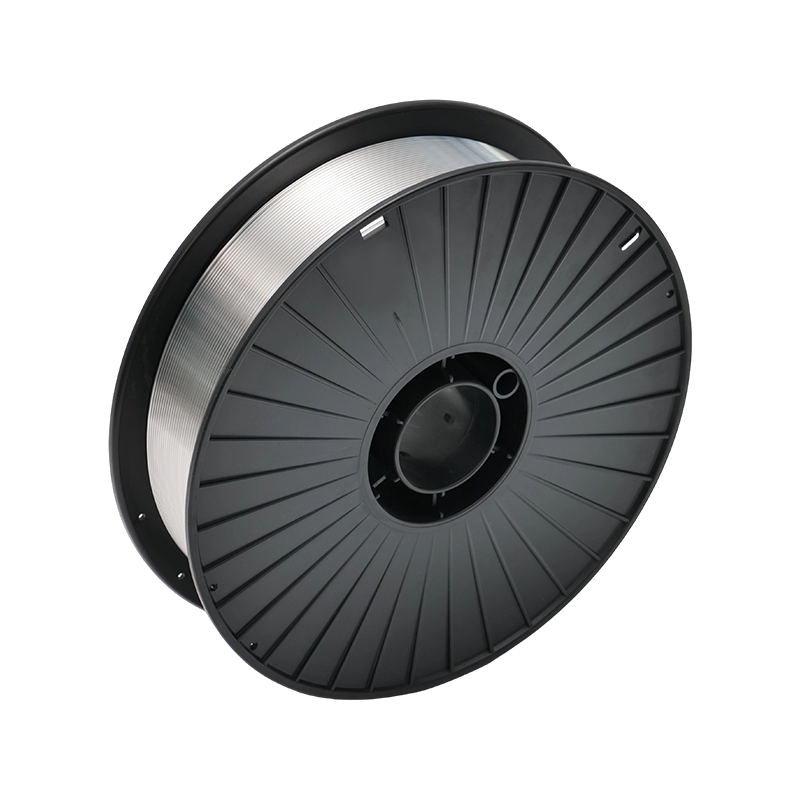 1090 High-Purity Aluminum Wire for Formability and ConductivityWith 99.9% aluminum content, this soft-temper wire provides excellent formability and natural corrosion resistance, making it suitable for electrical contacts, sealing fasteners, and similar riveted components.View Product →
Working With a Partner Who Understands Fasteners
Producing good rivets takes more than a good heading machine; it takes a wire supplier who understands the fastener industry's quality requirements. At Jiangsu Hetuo Aluminum Wire, we combine dedicated aluminum wire production with a quality management system that fastener manufacturers can rely on. Our facility in Lianyungang, Jiangsu Province, produces high-purity aluminum wire, high-strength aluminum alloy wire, and aluminum welding materials through an integrated manufacturing approach that emphasizes consistency at every stage.
Our quality credentials include ISO9001 certification for quality management, IATF 16949 certification for automotive supply chains, and CE marking for products destined for European markets. For fastener producers, this means fewer surprises: traceable raw materials, documented process controls, and finished wire that behaves the same way coil after coil. Located near Lianyungang Port, we also offer practical logistics advantages for both domestic and international customers.
If you are developing a new rivet product or simply want a dependable source for standard rivet wire, we invite you to explore our guide to aluminum rivet wire alloys, specifications, and manufacturing considerations. Our team is always ready to discuss your application and recommend the alloy that fits it best.
Standard rivets and fasteners may look simple, but their reliability is built on careful material selection, disciplined manufacturing, and honest quality control. Whether you produce solid rivets for heavy equipment, semi-tubular rivets for brake systems, or blind rivets for modern building envelopes, the wire you start with sets the ceiling for the quality you can achieve. Choosing the right aluminum wire is not merely a procurement decision — it is an engineering decision with a direct impact on the strength, durability, and safety of every joint you create.