

 English
 中文简体
 русский
 Deutsch
Aluminum alloy wire for steel might sound like a narrow product category, but it plays a surprisingly important role in modern metal fabrication and refining. This wire is used to weld aluminum attachments to steel-framed structures, to form rivets and fasteners for mixed-metal assemblies, and to deoxidize molten steel during refining. For manufacturers who require consistent performance from every spool, the choice of wire grade matters as much as the choice of process.
Jiangsu Hetuo Aluminum Wire produces aluminum wire products that are engineered for these demanding environments. Our product range includes high-purity aluminum wire, high-strength aluminum alloy wire, and aluminum welding materials. In this guide, we explain the applications, the alloys, and the selection factors that matter when you are buying aluminum alloy wire for steel-related work.
Content
- 1 Why Aluminum Alloy Wire Is Used With Steel
- 2 Aluminum Welding Wire for Steel-Framed Fabrication
- 3 High-Strength Aluminum Alloy Wire for Rivets and Fasteners
- 4 High-Purity Aluminum Wire for Steelmaking
- 5 Choosing the Right Aluminum Alloy Wire for Steel Applications
- 6 Practical Sourcing Considerations
- 7 Quality and Manufacturing Control
Why Aluminum Alloy Wire Is Used With Steel
Steel and aluminum are different metals, but they work together in many structures. Aluminum is lighter and more corrosion-resistant, while steel provides strength and stiffness. The wire that links the two worlds must adapt to each environment. In welding, the aluminum alloy wire becomes the filler that allows aluminum components to be joined cleanly and predictably. In fastening, the same wire can be cold-formed into aluminum rivets that hold brackets, panels, and architectural elements to steel supports. In steelmaking, a high-purity aluminum wire is fed into the ladle to remove oxygen and help refine the melt.
Because each application has different requirements, it is unwise to select a wire by habit rather than by specification. The best aluminum alloy wire for steel applications is chosen with attention to alloy composition, mechanical strength, purity, and surface condition.
Aluminum Welding Wire for Steel-Framed Fabrication
Welding is one of the most common ways aluminum is joined to a steel-friendly structure. Although direct fusion welding of aluminum to steel is difficult, fabrication shops often weld aluminum cladding, railings, enclosures, and attachments to steel frames separately using MIG or TIG. The quality of this weld depends on the filler wire. A reliable aluminum alloy wire for steel-adjacent welding must feed smoothly through the torch, wet evenly into the joint, and produce a weld that matches the strength of the base aluminum.
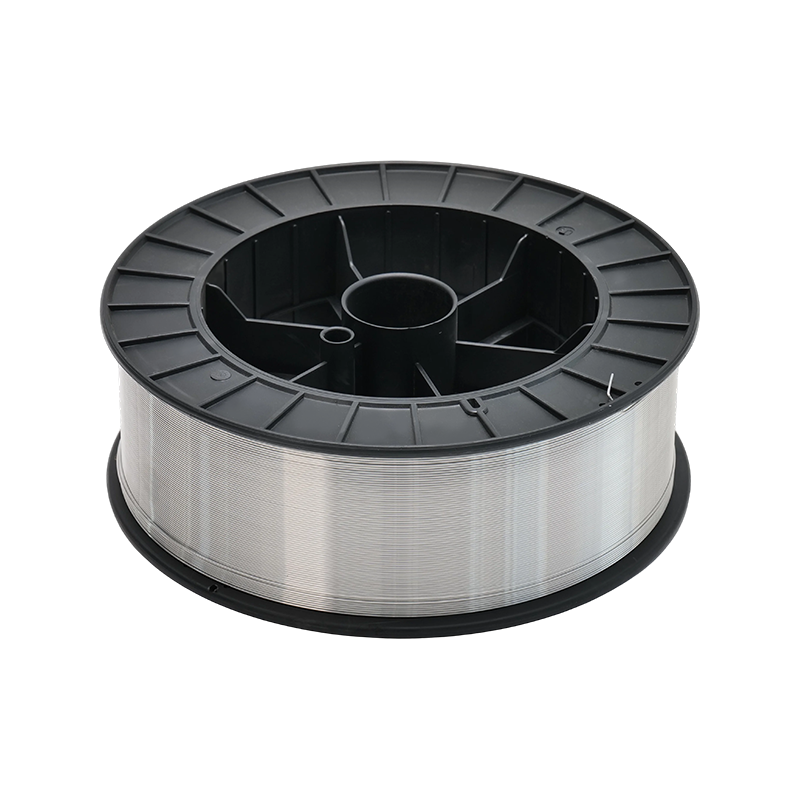
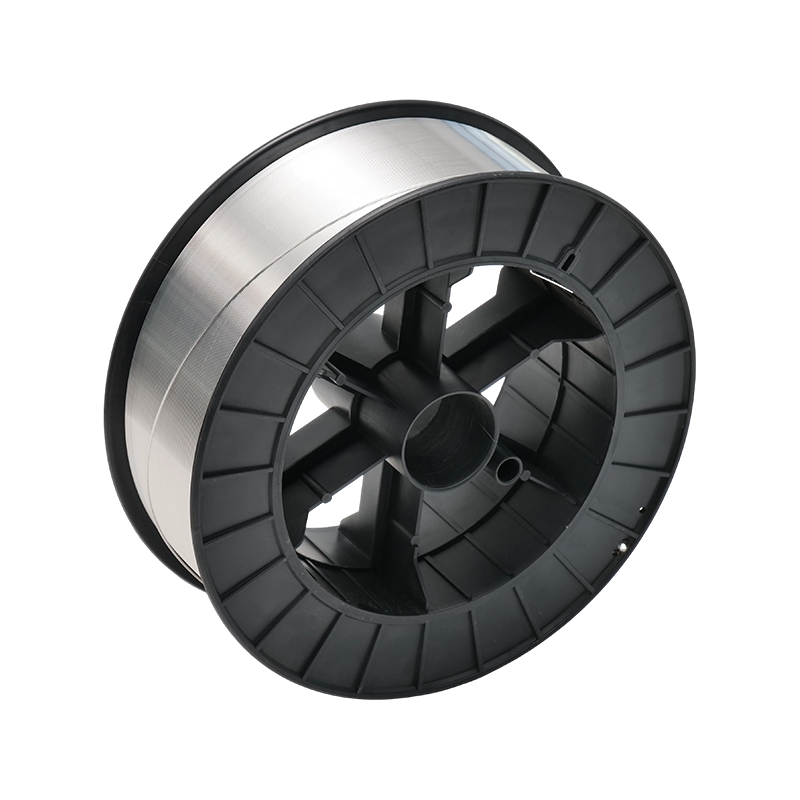
Our MIG wire is manufactured with attention to surface finish and diameter consistency. It is suitable for shops that need stable feeding and clean weld appearance. To learn more about matching filler grades to the application, see our aluminum alloy wire grade selection guide.
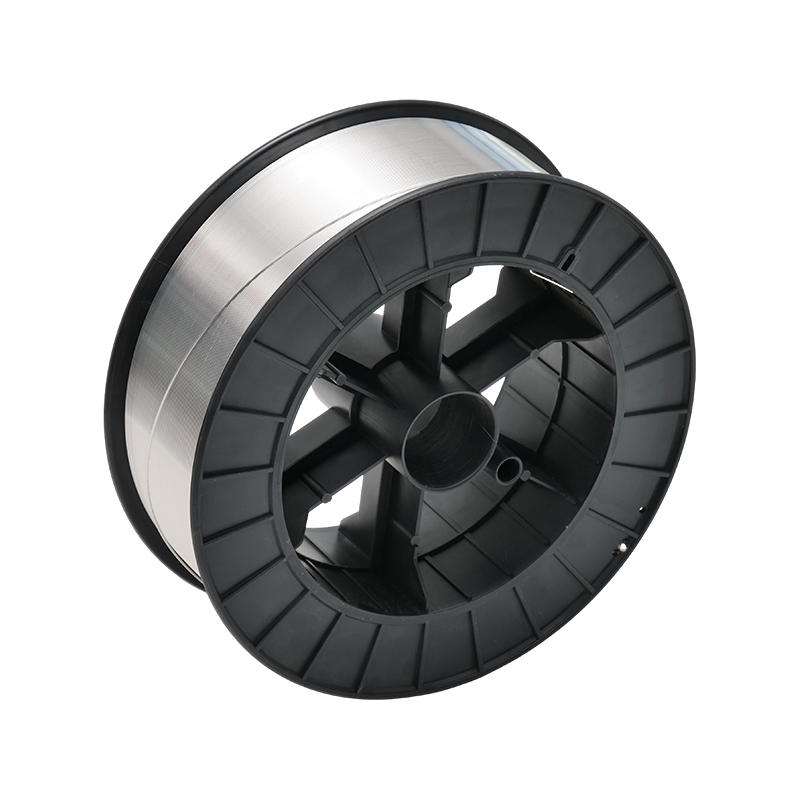 MIG WireMainly used for melting electrode argon arc welding.View Product →
High-Strength Aluminum Alloy Wire for Rivets and Fasteners
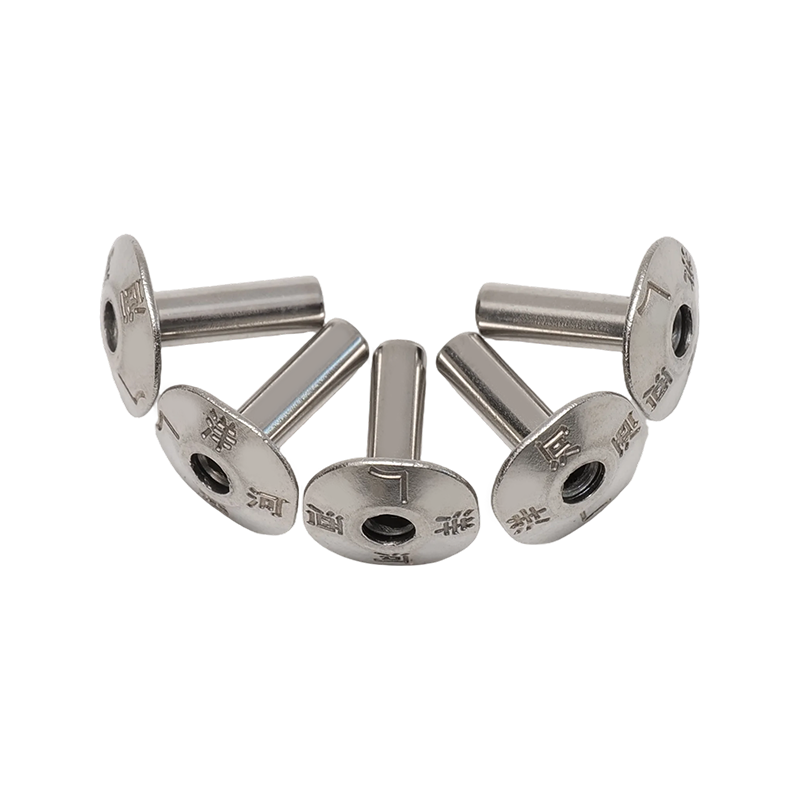
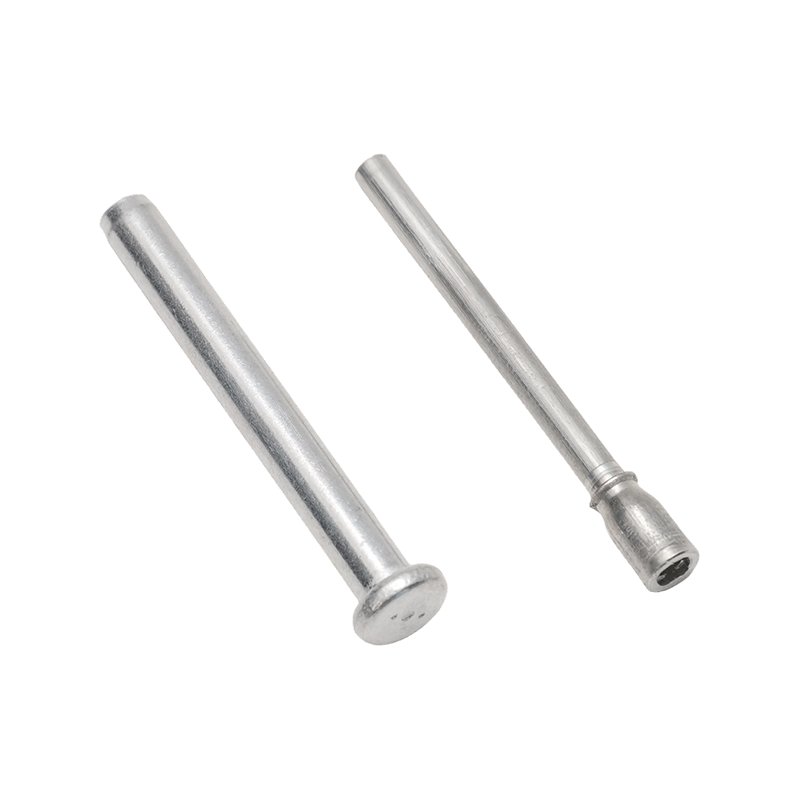
In steel structures, aluminum rivets are used where weight, corrosion, and installation speed matter. Rivets produced from aluminum alloy wire must have high shear strength, good ductility, and consistent response to cold heading. AlMg6, an aluminum-magnesium alloy, is often chosen for high-strength fasteners because it offers a balanced combination of strength and workability. It also behaves well when the finished rivet is exposed to moisture or marine air.
For fastener makers that need dependable raw material, wire coils must be uniform. Variations in alloy chemistry or surface defects can cause cracks and rejections. Our AlMg6 aluminum alloy wire is designed for demanding fastener production. You can find more technical guidance in our aluminum rivet wire specification guide.
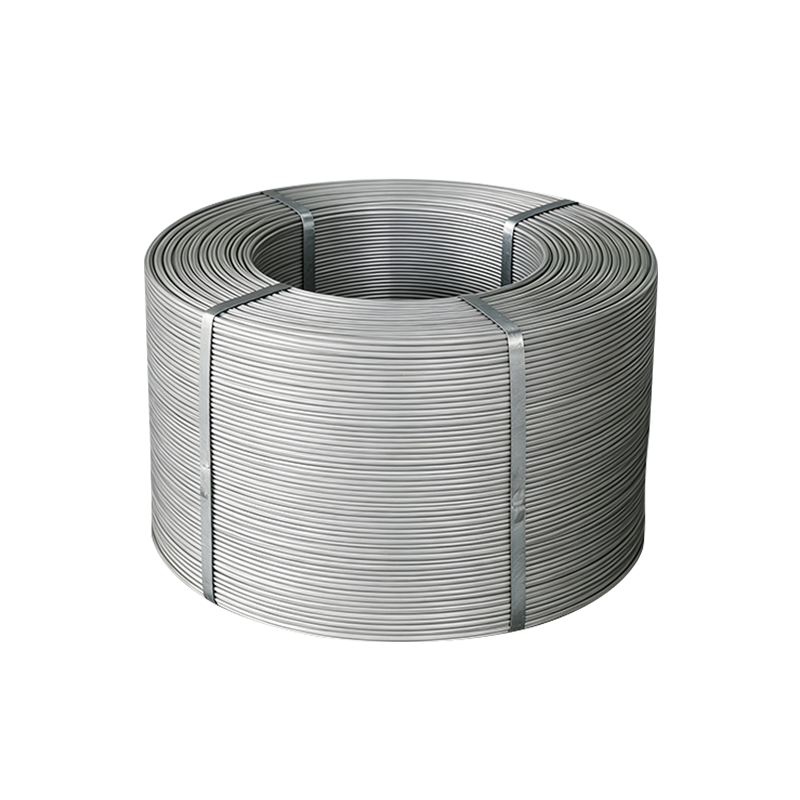 AlMg6 Aluminum Alloy WireMainly used in the fields of aviation, aerospace, military, ships, automobiles, and tanks, AlMg6 strengthening, with good exfoliation corrosion resistance and weldabil...View Product →
High-Purity Aluminum Wire for Steelmaking
Another important meaning of aluminum alloy wire for steel is found inside the steel mill. Aluminum wire is widely used for deoxidation and alloying in steelmaking. Because the wire is introduced directly into molten steel, its chemical purity and surface quality must be tightly controlled. Impurities can create inclusions in the finished steel, which is why many steel producers specify high-purity aluminum wire for this step.
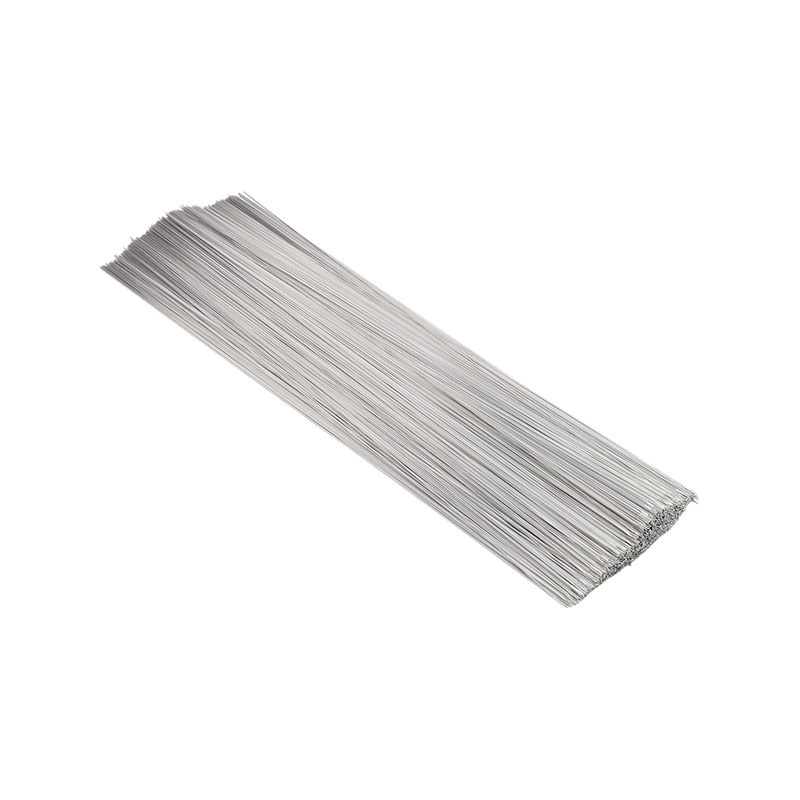
The 1090 aluminum wire in our product range is a high-purity option for customers who need consistent composition. It can be supplied in the straight-line, coiled, and payoff-packaging formats commonly used in continuous feeding equipment. The wire is produced to support stable feeding and predictable dissolution in the ladle.
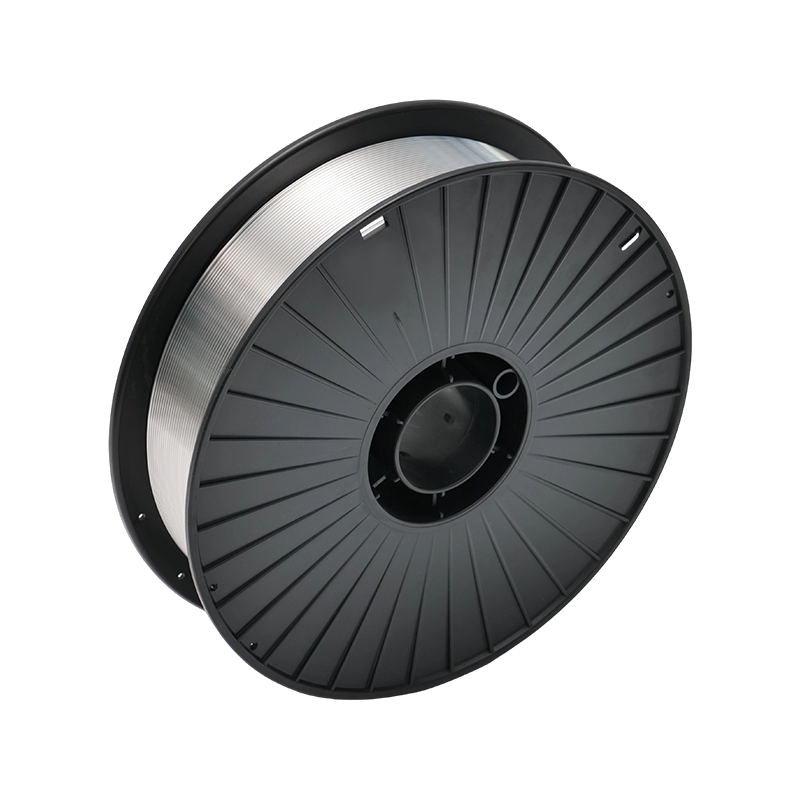 1090 Aluminum WireMainly used in the field of evaporation and spraying, improving the surface corrosion resistance of the substrate and extending the service life.View Product →
Choosing the Right Aluminum Alloy Wire for Steel Applications
Every steel-related application puts a different demand on the wire. Use the table below as a starting point for discussions with your supplier.
| Application | Recommended Product | Key Reason | Selection Criterion |
|---|---|---|---|
| Deoxidation during steelmaking | 1090 Aluminum Wire | High purity | Tight impurity control |
| Welding aluminum on steel-framed structures | MIG or TIG wire | Stable feeding | Filler alloy matching |
| Aluminum rivets for mixed-metal assembly | AlMg6 Alloy Wire | Strength and formability | Shear strength, surface quality |
Purity, strength, and feeding behavior are the three main pillars of performance. Define your process first, then match the wire to the alloy family and the mechanical property requirements.
Practical Sourcing Considerations
When you buy aluminum alloy wire for steel-related applications, the specification sheet tells only part of the story. Experienced buyers also check the following points:
- Diameter tolerance: Wire that drifts off specification can jam welding torches or cold heading machines.
- Surface condition: Burrs, scratches, or residual lubricant can create porosity in welds and cracks in rivets.
- Packaging: Continuous payoff packaging reduces downtime on automated feeding lines.
- Traceability: Heat-specific certifications make it easier to respond to quality inquiries.
These details are not optional. In high-volume work, they decide whether a run is profitable or painful.
Quality and Manufacturing Control
Consistency becomes critical when wire is used in automated welding, cold heading, or continuous feeding equipment. If the wire has minor deviations in diameter, surface lubrication, or alloy chemistry, production stops and costs increase. Jiangsu Hetuo Aluminum Wire operates with inspections throughout the production process. Our certifications include ISO 9001:2015 and IATF 16949:2016, and our quality management system is structured around measurable process controls.
We are located in Lianyungang Economic Development Zone, a location that gives us convenient access to international logistic routes. This allows us to serve customers in Europe, North America, and other high-demand markets with dependable shipping times.
Aluminum alloy wire for steel is more than a single product category. It is a family of wires that solve real problems across welding, fastening, and metallurgy. The right wire improves weld strength, keeps fasteners reliable, and supports cleaner steel refining. By partnering with a manufacturer that controls quality from alloy selection through final packaging, you can build a more stable supply chain.
If you are evaluating aluminum alloy wire for your steel-related operations, contact our team to discuss the proper grade, diameter, and packaging format for your process.