

 English
 中文简体
 русский
 Deutsch
TIG wire is one of those small consumables that can make or break an aluminum weld. Choose the wrong alloy, diameter, or surface condition, and you may fight porosity, poor arc stability, or inconsistent bead appearance all day. At Jiangsu Hetuo Aluminum Wire Co., Ltd., we have built our business around aluminum and aluminum alloy wire, including welding materials, so we understand how much depends on clean, consistent filler metal.
Content
- 1 What Is TIG Wire and How Is It Used?
- 2 TIG Wire vs MIG Wire: Know the Difference
- 3 Choosing the Right TIG Wire for Aluminum
- 4 Common TIG Wire Grades and Their Best Uses
- 5 Diameter, Packaging, and Feedability
- 6 Storage and Handling Best Practices
- 7 Troubleshooting Common TIG Wire Problems
- 8 Quality Control That Supports Consistent TIG Wire
- 9 Why Work With Jiangsu Hetuo Aluminum Wire
What Is TIG Wire and How Is It Used?
TIG welding, also called GTAW, uses a non-consumable tungsten electrode to create an arc while filler metal is added separately by hand or by a wire feeder. TIG wire is that filler metal. For aluminum, the process is often chosen when appearance, precision, and control matter more than raw travel speed. The wire must be clean, correctly alloyed, and consistent in diameter so it melts smoothly into the puddle.
Aluminum TIG welding also demands good cleaning practice because the oxide layer melts at a much higher temperature than the base metal. A quality filler wire supports better arc stability, smoother feeding, and fewer contamination-related defects. If you are comparing filler options across different aluminum welding applications, it helps to understand how alloy choice affects strength, corrosion resistance, and weldability.
TIG Wire vs MIG Wire: Know the Difference
MIG wire is fed continuously from a spool and is usually chosen for higher deposition rates and production welding. TIG wire is often supplied in straight lengths or precision spools and is fed more slowly, giving the welder time to control heat input and puddle shape. TIG is common for thin aluminum, repair work, visible joints, and applications where a clean, precise bead is required.
The two processes are not competitors so much as different tools. A fabrication shop may use MIG for long structural welds and TIG for final passes, root passes, or cosmetic work. The important point is that each process needs filler metal designed for its own feeding method and heat profile.
Choosing the Right TIG Wire for Aluminum
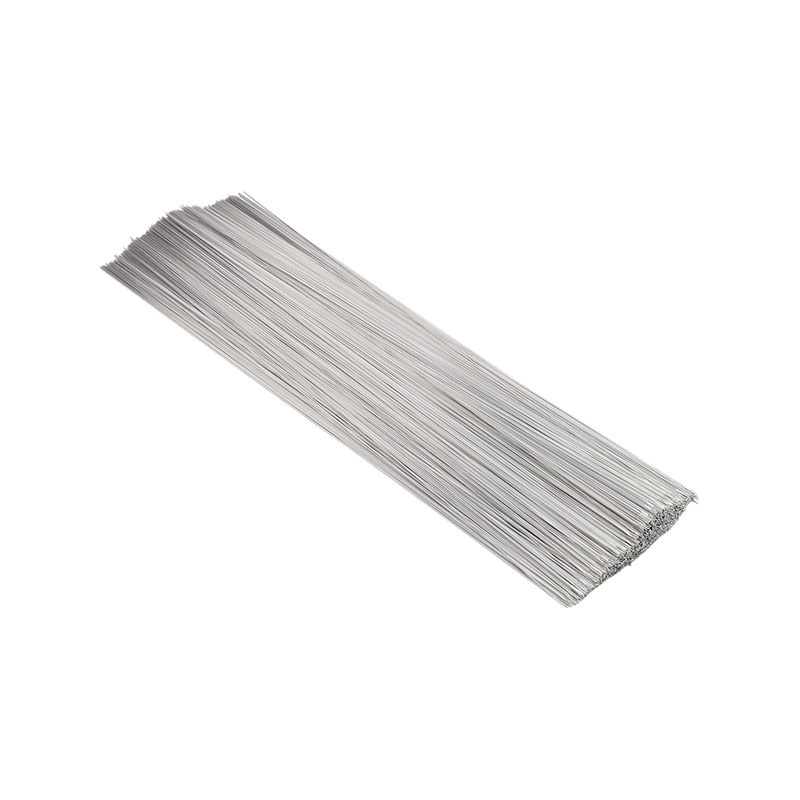
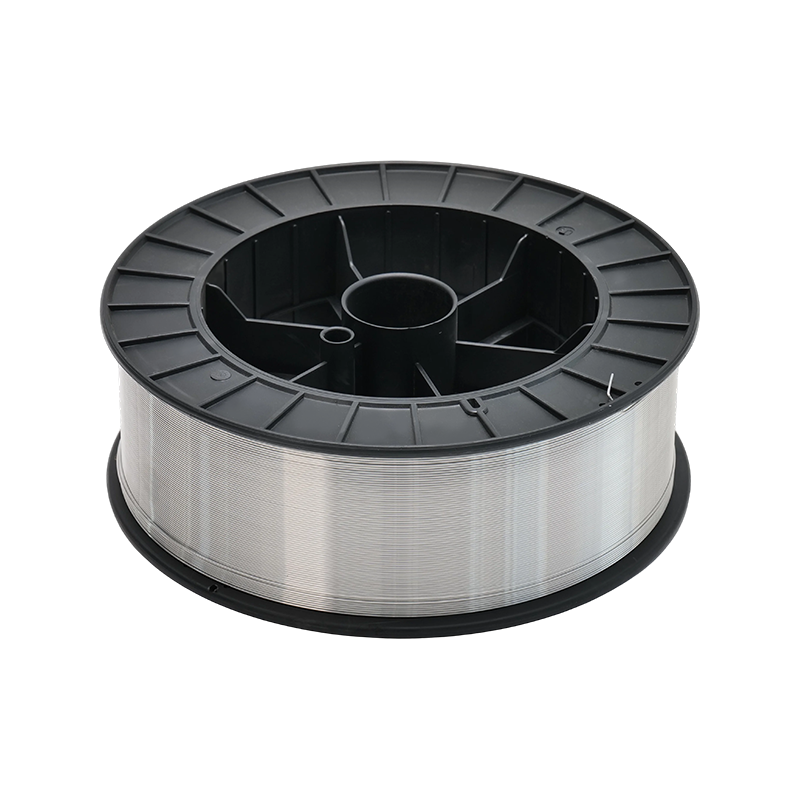
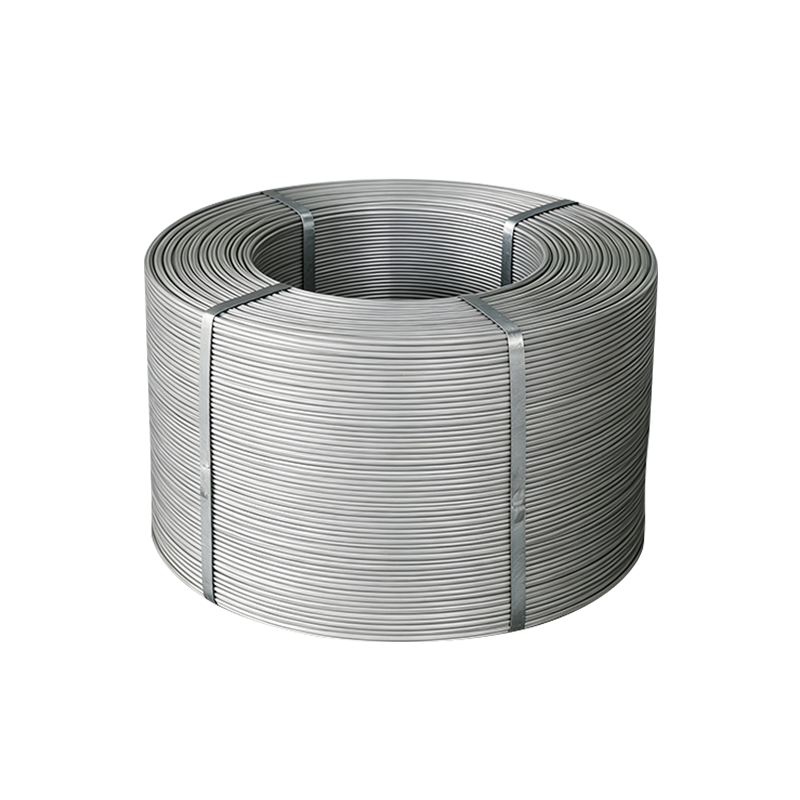
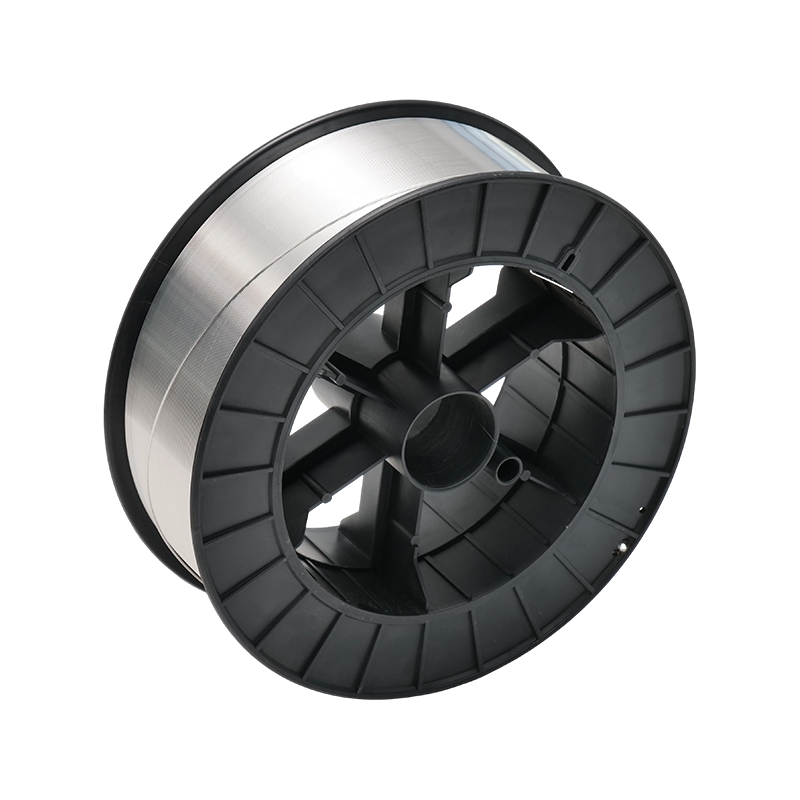
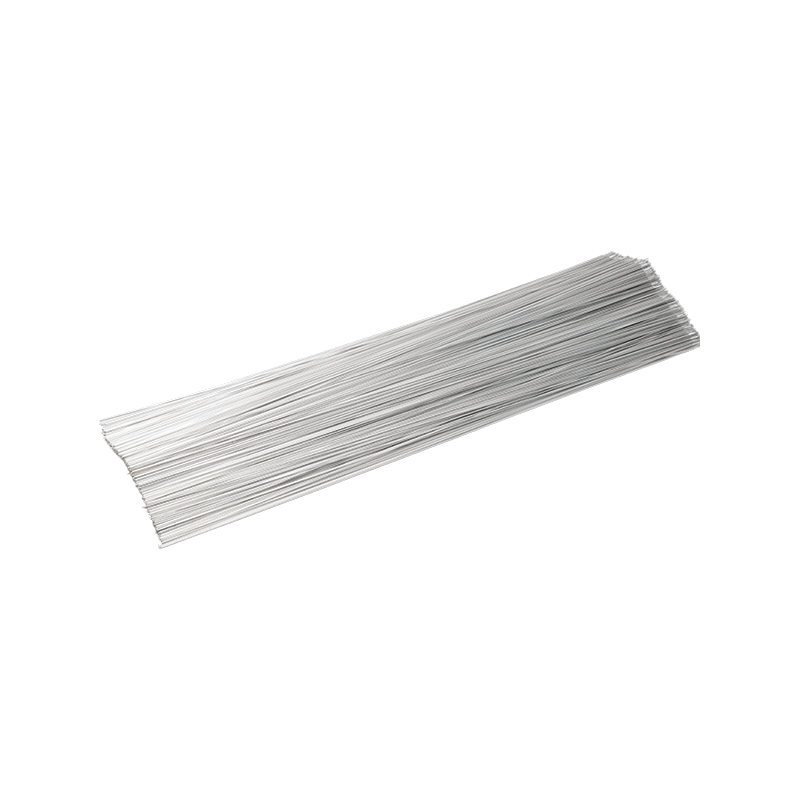 TIG Wire for Non-Melting Electrode Argon Arc WeldingIntended mainly for non-melting electrode argon arc welding, this TIG wire fits applications where users weigh alloy strength, corrosion resistance, anodizing response, and crack sensitivity for TIG root, final, or cosmetic passes.View Product →
Start with the base alloy, then consider strength, corrosion resistance, anodizing response, and crack sensitivity. ER4043 is a popular general-purpose aluminum TIG wire because it flows well and resists cracking, but it does not anodize to a perfect color match. ER5356 offers higher strength and better corrosion resistance, especially for marine and structural work, though it can be less forgiving on some crack-sensitive alloys.
For pure aluminum and electrical applications, ER1100 is often selected for its high purity and excellent corrosion resistance. The best choice always depends on the job. If you are unsure which filler family fits your base metal, review our aluminum welding materials or speak with a supplier who can match the wire to your welding procedure.
Common TIG Wire Grades and Their Best Uses
The table below summarizes several widely used aluminum TIG wire grades. It is a practical starting point, not a substitute for a qualified welding procedure.
| Filler Grade | Common Base Alloys | Key Characteristics | Typical Applications |
|---|---|---|---|
| ER1100 | 1100, 1050, 1060 | High purity, excellent corrosion resistance, very soft | Pure aluminum joints, electrical bus bars, chemical equipment |
| ER4043 | 6061, 6063, 3003, castings | Good flow, crack resistance, lower strength | General fabrication, automotive parts, architectural profiles |
| ER5356 | 5052, 5083, 6061, 7005 | Higher strength, good corrosion resistance, anodizes well | Marine, structural, bicycle frames, tanks |
| ER5183 | 5083, 5086, 7005 | High strength, excellent toughness | Marine and transportation structures |
Diameter, Packaging, and Feedability
Common aluminum TIG wire diameters include 1/16 inch, 3/32 inch, and 1/8 inch, with metric equivalents such as 1.6 mm, 2.4 mm, and 3.2 mm. As a rule, the filler diameter should be matched to the base metal thickness and joint design. A wire that is too thick can chill the puddle or create an overly wide bead, while a wire that is too thin may feed too quickly and cool the weld pool unevenly.
Packaging matters as much as diameter. Straight cut lengths are convenient for manual TIG, while precision spools support automated or semi-automated feeding. Whichever format you choose, the wire should be free of kinks, scratches, moisture, and lubricant residue. Consistent cast and helix help the wire feed smoothly without wandering or binding.
Storage and Handling Best Practices
Aluminum TIG wire is sensitive to contamination. Moisture, dust, oil, and even fingerprints can introduce hydrogen or carbon into the weld pool and cause porosity. Protect every package until use, and follow these habits in the shop:
- Keep wire in its original packaging or a clean, dry cabinet.
- Store different alloys separately to avoid mix-ups.
- Handle wire with clean gloves, not bare hands.
- Wipe the wire with a lint-free cloth and approved cleaner if needed.
- Avoid chlorinated solvents, which can leave harmful residues.
- Do not use wire that has been dropped on a dirty floor or exposed to cutting fluids.
Troubleshooting Common TIG Wire Problems
Most TIG wire issues show up as weld defects rather than wire defects. Porosity often points to moisture, oil, or insufficient shielding gas coverage. A black sooty deposit can indicate poor cleaning, incorrect gas flow, or the wrong polarity. If the wire feeds poorly, check for kinks, incorrect roller tension, or a liner that needs replacement.
Quick checks for common issues
- Verify the filler alloy matches the base metal and welding procedure.
- Clean the joint and wire immediately before welding.
- Set gas flow and tungsten electrode preparation correctly.
- Adjust travel speed and heat input to match the filler diameter.
- Confirm the wire diameter is suitable for the joint thickness.
When a problem repeats across several welds, stop and inspect the wire, the machine settings, and the operator technique before changing the filler grade.
Quality Control That Supports Consistent TIG Wire
At our plant in Guannan, Lianyungang, we produce aluminum and aluminum alloy wire under quality systems certified to ISO 9001:2015, CE, and IATF 16949:2016. Our 40,000 square meter facility employs 60 people, including 30 professional management and technical staff. Inspection takes place at each stage of production, from incoming material to final packaging, because TIG wire performance depends on chemistry, diameter tolerance, surface cleanliness, and packaging protection.
Quality control is not only a certificate on the wall. It is the daily discipline of keeping alloys separated, maintaining drawing equipment, monitoring surface condition, and packing wire so it arrives ready to weld. That discipline is what helps fabricators reduce downtime and rework.
Why Work With Jiangsu Hetuo Aluminum Wire
We focus on high-purity aluminum wire, high-strength aluminum alloy wire, and aluminum and aluminum alloy welding materials. Our location in Lianyungang gives us access to a national new materials industrial base and a logistics network that supports export markets. For international customers, that means a supplier who understands both aluminum metallurgy and the practical demands of welding shops, distributors, and industrial buyers.
Whether you need TIG wire for precision fabrication or a reliable supply of aluminum filler metal, our team can help you match the product to the application. We believe good wire should disappear into the weld, leaving only a clean bead, a strong joint, and a process that runs smoothly.
TIG wire may be a small part of the welding setup, but it has a large influence on aluminum weld quality. Choose the right grade, protect it from contamination, and work with a manufacturer who controls quality from melt to package. If you are ready to improve consistency in your aluminum TIG operations, contact Jiangsu Hetuo Aluminum Wire Co., Ltd. and let our experience support your next project.