

 English
 中文简体
 русский
 Deutsch
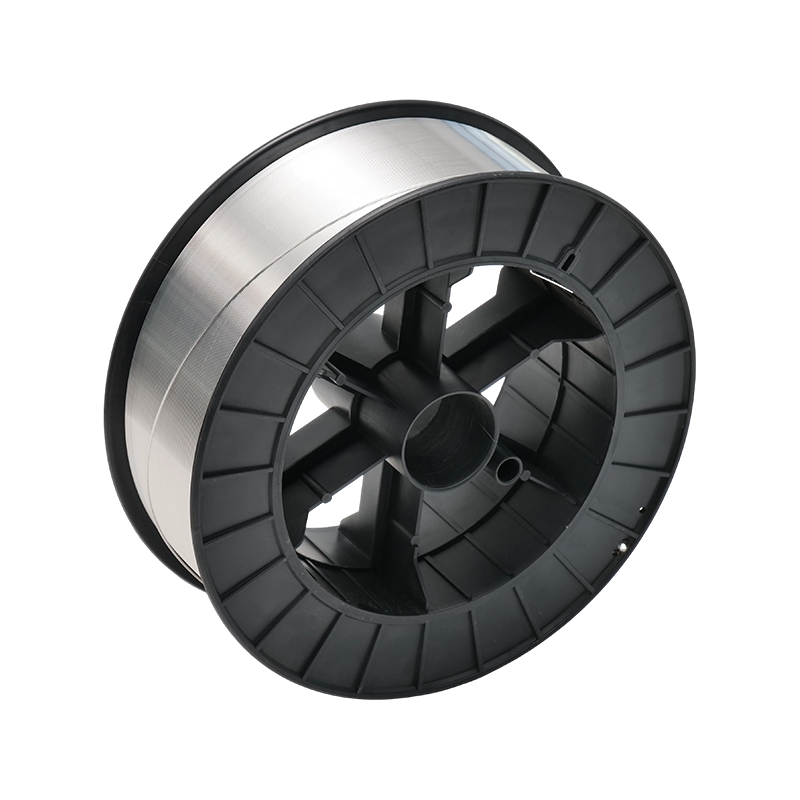
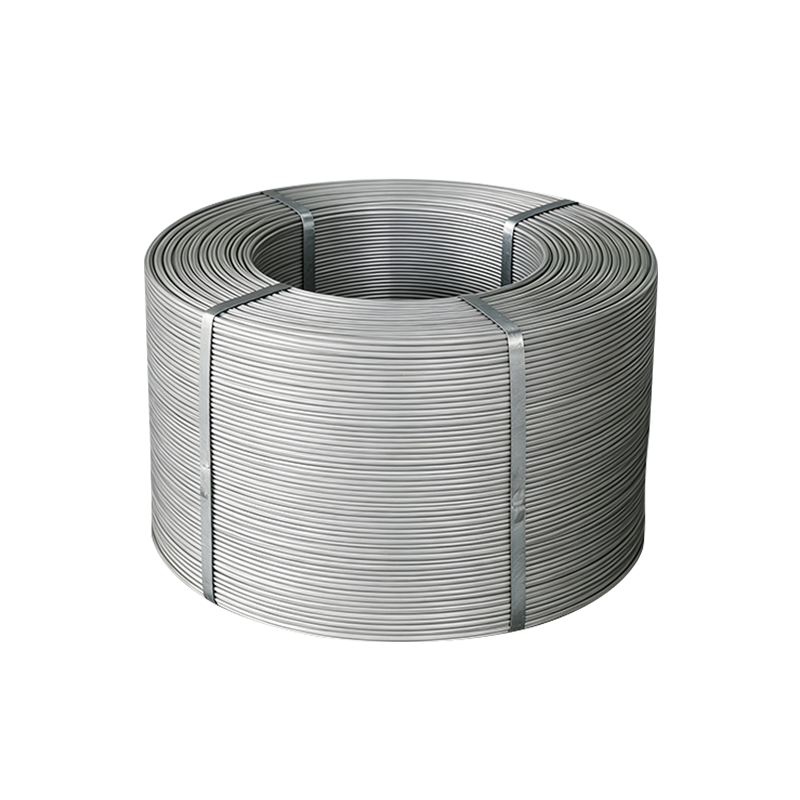
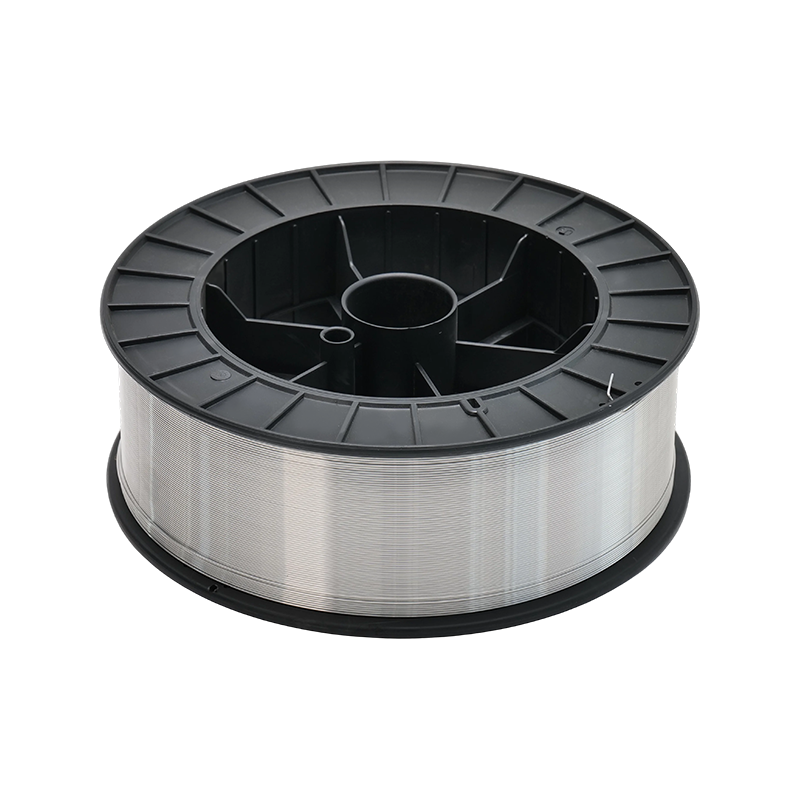
Aluminium MIG wire looks simple from the outside: a spool, a layer of bright wire, a label. What decides whether it runs well is everything behind that label — which alloy, drawn to what diameter, wound on which spool, cleaned how, and packed for which climate. A good share of the wire that leaves our plant in Guannan is not a catalogue item at all; it is a specification agreed with a customer who knows exactly what the arc has to do. That is the practical meaning of custom MIG wire, and the notes below walk through the decisions that usually go into one.
Content
What "Custom" Covers in a MIG Wire Order
In our experience there are six variables in a custom order, and only the first one tends to get discussed in the opening email. The other five are where most of the surprises live.
- Alloy and temper — for example ER5356 supplied in a harder condition for automated feeding, or ER4043 for castings and repair work.
- Diameter and tolerance — 0.8, 0.9, 1.0, 1.2 or 1.6 mm, with the allowable deviation written down rather than assumed.
- Cast and helix — how much the wire curves once it leaves the spool, which decides whether it lands in the groove or beside it.
- Surface condition — residual drawing lubricant, oxide and moisture on the surface all show up as porosity long before anyone suspects the gas.
- Spool format and winding — spool diameter, bore, weight, and whether the layer is random or precision wound.
- Packing and paperwork — desiccant, barrier bags, pallet pattern, labels in your language, and the test documents your receiving desk expects.
An engineer tends to own the first two; a warehouse or quality team owns the last two. Both sets need to be on the same sheet before the first coil is drawn.
Start From the Base Metal, Then Choose the Filler
The alloy choice almost always follows the parent metal and the service condition, not the other way round. A 6xxx extrusion welded for appearance behaves very differently from a 5083 plate welded for strength, even though both jobs look similar under the helmet. The table below is the pairing logic we use most often when a customer sends a drawing instead of a part number.
| Filler alloy | Base metals usually matched | Behaviour in the arc | Typical starting point |
|---|---|---|---|
| ER1100 | 1050, 1060, 1090, 3003 | Softest and most conductive, lowest strength | Busbar, thin sheet, joints that will be anodised |
| ER4043 | 6061-T6, 6063, 3003, Al-Si castings | Forgiving to feed, smooth bead, tolerant of slightly imperfect cleaning | General fabrication, repair work, castings |
| ER5356 | 5083, 5086, 6061, 7005 | Higher strength and ductility, less tolerant of contamination | Transport structures, marine parts, anodised assemblies |
| ER5183 | 5083, 5086 | Highest strength of the common four, crisp arc | Heavily loaded welded structures |
If you are still mapping grades to applications, our overview of aluminium wire types, properties and welding applications covers the metallurgy behind this table in more depth. What matters for a custom order is that the grade is fixed first, because diameter, temper and packing all follow from it.
Diameter, Tolerance and Spool Format
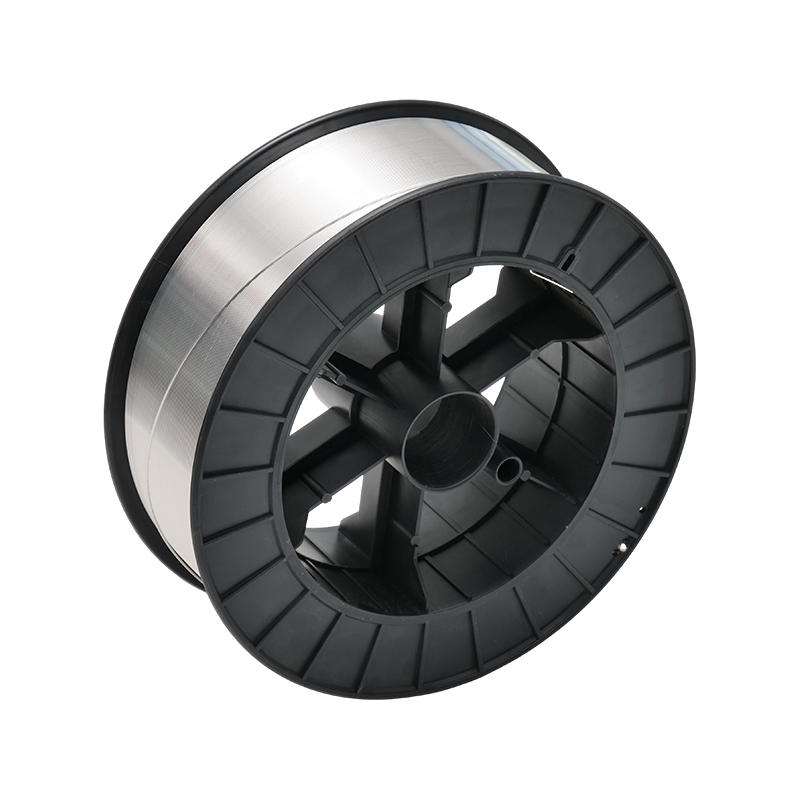 Custom MIG Wire for Aluminum WeldingCustom-supplied MIG wire for melting-electrode argon arc welding; review grade and diameter requirements before ordering.View Product →
Diameter is a current-density decision as much as a gap-filling one. A 1.2 mm wire is the workhorse for 200–350 A on thicker sections, while 0.8 and 1.0 mm suit pulsed work on thin sheet and positional joints where heat input has to stay low. The tolerance around that nominal figure is what a robot actually feels: a wire running at the top of its band feeds smoothly, one at the bottom can chatter, and both can carry the same printed number.
Cast and helix deserve a sentence of their own. Too little cast and the wire kinks in the liner; too much and it wanders off the joint line on contact-tip-to-work distance changes. For automated cells we normally agree a value with the customer's integrator and hold it across every spool in the lot, rather than treating it as an uncontrolled by-product of winding.
Spool format is where a good wire can still fail. A 300 mm spool with a 50 mm bore, precision layer wound and free of crossover points, will run at high wire-feed speed without the stutter that comes from a wire trapped under its neighbour. Tell us the feeder, the spool holder and the payload limit, and the packing follows.
Packing for the Trip, Not Just for the Shelf
Aluminium wire is not a fragile product, but it is a reactive one. A container crossing a humid season can leave a poorly packed pallet with a white haze on the outer layer and a weld pool full of hydrogen. Barrier film, a measured amount of desiccant, and a spool that does not rest directly on a wooden floor solve most of it. Where a job needs a TIG root under a MIG fill, the matching
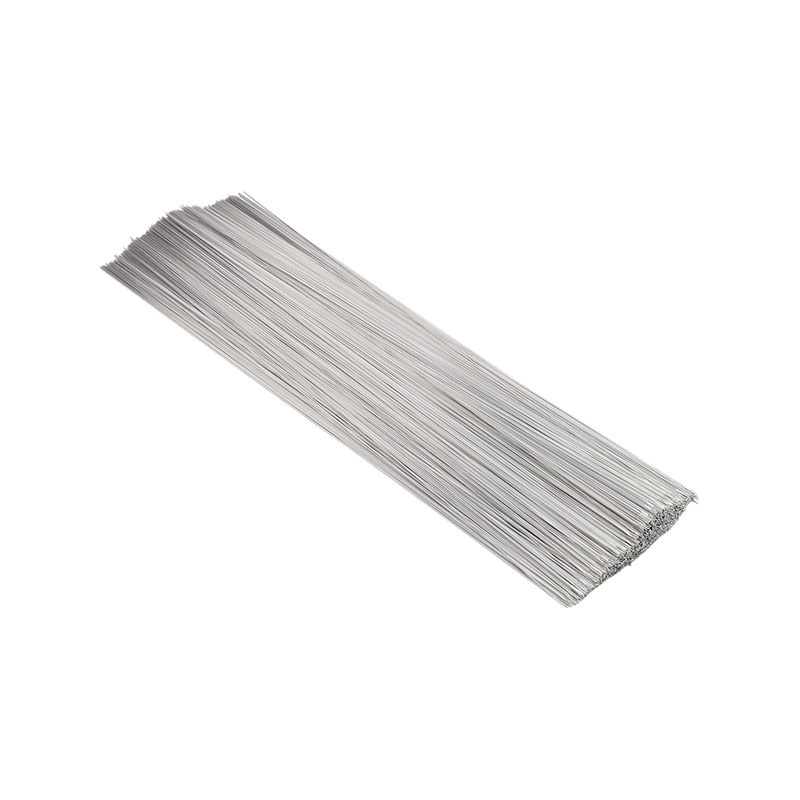
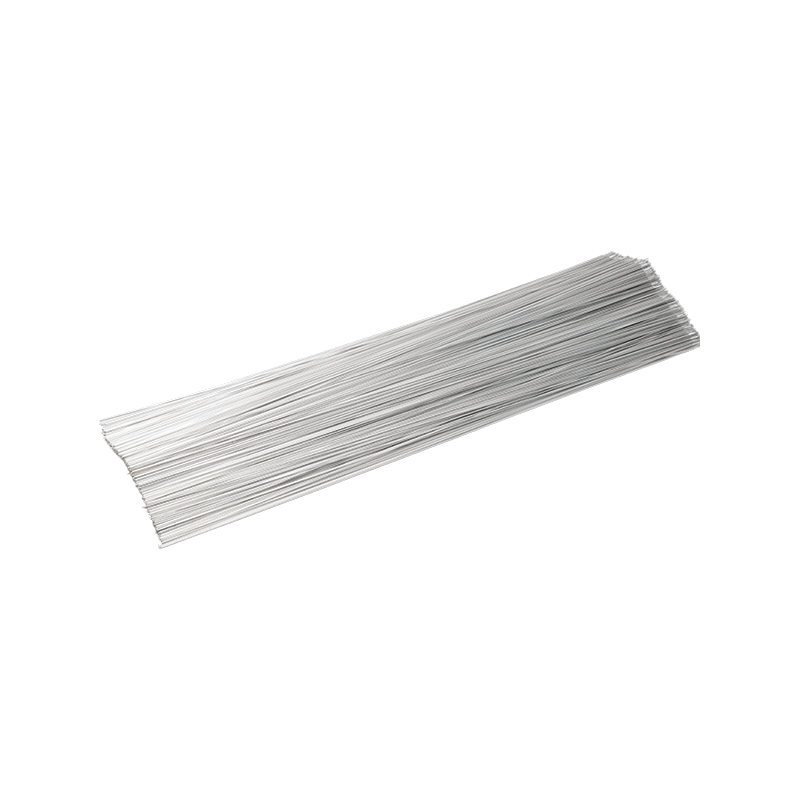 Custom TIG Wire for Aluminum Alloy WeldingCustom-supplied TIG wire for non-melting-electrode argon arc welding, suited to jobs needing a matching root pass before MIG fill.View Product →
is drawn from the same alloy stock, so both passes stay metallurgically consistent.
Labels matter more than they sound. Part number, alloy, diameter, heat number, net weight and spool type in the language your operators read — these are the details that stop a line from being stopped. Our aluminium and aluminium alloy welding materials range is packed to the customer's own specification for exactly this reason, and export orders are labelled before they ever reach the container.
The Specification Sheet We Ask For
When a customer sends a fully written specification, quoting takes a day instead of a week. If you are building one from scratch, these are the lines that remove the most risk:
- Base metal grade, thickness and joint preparation.
- Filler alloy and temper, with the standard it should meet.
- Nominal diameter and acceptable tolerance band.
- Cast and helix limits, or the feeder and torch setup so we can propose them.
- Spool type, bore, weight and winding pattern.
- Surface requirement — dry, lubricant-free, and how that is verified.
- Packing: units per carton, pallet height, desiccant, labelling language.
- Documents: mill certificate, chemistry report, and any declaration your market requires.
Anything beyond that — a weld procedure, a preferred packaging supplier, a colour code on the spool flange — is welcome, but the eight lines above are the ones that decide whether the first shipment is usable.
What Quality Evidence Is Reasonable to Ask For
Ask any supplier how the wire is checked between drawing and packing. In our plant each production stage carries an inspection step, and the results follow the heat number onto the label. On the system side, we were certified to ISO 9001 in 2021, to CE in 2022 and to IATF 16949 for automotive supply in 2023 — the last one being the reason our process documentation tends to be longer than a general fabricator expects.
On the product itself, three checks tell you most of the story: chemistry against the grade, diameter and surface condition across the length of the spool rather than at the ends, and a test weld on a joint resembling yours. We would rather run that test weld on a sample spool than discover the mismatch in a customer's fixture.
Samples First, Volume Second
Custom wire is a conversation before it is a purchase order. Send the alloy, the diameter, the spool and a photo of the joint; ask for a sample spool wound to the specification you intend to buy. Run it on the machine that will actually use it, at the wire-feed speed you actually run, and check the bead, the spatter level and the porosity on a cut section. If something needs adjusting, that is the cheapest moment to adjust it — a tolerance band revised on a sample costs a phone call, while the same revision after a container has landed costs a production week. That is how we prefer to work with new customers, and it is usually how a first order turns into a standing one.