

 English
 中文简体
中文简体 русский
 Deutsch
When you compare aluminum wire suppliers, the price per kilogram is rarely the deciding factor. The real question is whether the supplier can hold the alloy grade, mechanical properties, and diameter tolerance you need across every shipment. In practice, the difference between a smooth production run and a costly stoppage often comes down to a supplier's willingness to publish and guarantee those numbers.
Consider a real situation: a buyer needs 2.4 mm AlMg6 wire for rivet making. The spec sheet shows a tensile range of 260 to 300 MPa and a diameter tolerance of plus or minus 0.05 mm. Another supplier quotes a slightly lower price but only lists a nominal tensile value. The second quote looks attractive, but the buyer has no way to know whether the material will deliver the same performance on every reel.
The first conclusion worth carrying into your next supplier review is this: an aluminum wire supplier's real value shows up in the specification sheet, the certifications they hold, and the way they verify their own material before it leaves the plant. Those three elements let you predict how reliably a supplier will serve your process, not just what their quote looks like.
Content
What Aluminum Wire Suppliers Must Have on the Specification Sheet
Alloy Grade and Purity
Before you request a quote, you should know exactly which alloy your process needs. The aluminum wire market is not one product; it is a family of products that differ by purity, alloying elements, and mechanical properties. A high-purity aluminum wire such as 1090 is chosen when you need low impurity levels, whereas an AlMg6 aluminum alloy wire is selected when tensile strength and corrosion resistance matter more.
When you compare quotes, look for the grade to be spelled out on the supplier's specification sheet. A vague label like "aluminum wire" tells you almost nothing. You need the actual alloy designation and, for high-purity products, the purity percentage or impurity limits. For applications such as vacuum metallizing or thermal spray, a 1090 aluminum wire with a controlled purity level is often the safer choice. If that fits your application, you can review our 1090 aluminum wire specifications directly.
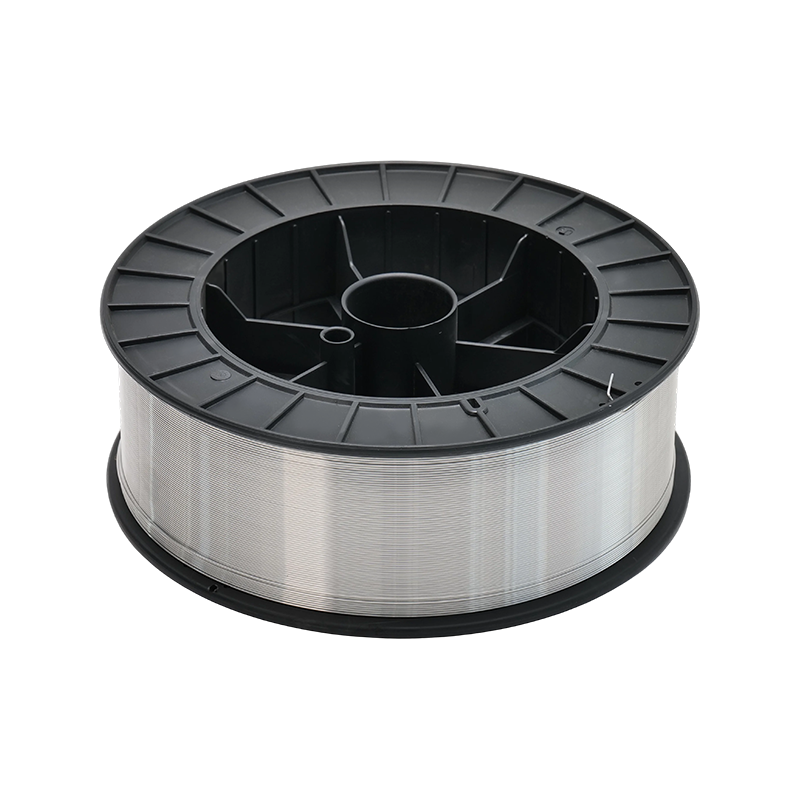
 1090 Aluminum Wire for Evaporation and SprayingExplore 1090 aluminum wire with 99.90% purity, ideal for evaporation and spraying to enhance surface corrosion resistance and extend substrate service life.View Product →
Mechanical Properties
The next thing to verify is the mechanical property range. Tensile strength, elongation, and yield strength are the numbers that determine how the wire will behave when you bend, form, or feed it into a production machine. A supplier who only states a single nominal value is not giving you enough information. Ask for a guaranteed range that the supplier can reproduce from batch to batch.
If you are forming rivets or cold-heading fasteners, for example, the wire needs a consistent hardness range so that the material fills the die without cracking. A range-based specification is the minimum you should accept.
Diameter Tolerances and Packaging
Aluminum wire is sold in a range of diameters, and the tolerance around that diameter directly affects your downstream process. For rivet forming or welding filler wire, a tighter tolerance can reduce scrap and improve consistency. It is also worth asking about wire form and packaging: coils, spools, and straight lengths each have different logistics implications.
The table below summarizes the three main wire types you will see when comparing suppliers.
| Wire Type | Key Property | Typical Application |
|---|---|---|
| High-purity aluminum wire (e.g., 1090) | High purity, low impurity limits | Vacuum metallizing, thermal spray |
| High-strength alloy wire (e.g., AlMg6) | High tensile strength, good corrosion resistance | Rivets, fasteners, structural parts |
| Aluminum welding wire (MIG/TIG) | Consistent feeding, stable arc, good joint quality | Aluminum fabrication, repair, assembly |
Certifications That Separate Compliant Suppliers
ISO 9001:2015 and IATF 16949:2016
A reliable aluminum wire supplier should be able to show you their quality management system certifications. ISO 9001:2015 is the baseline; it indicates that the supplier has documented and audited processes for quality. If your industry is automotive, IATF 16949:2016 is the more specific standard. That certification is built around automotive supply chain requirements, so it signals that the supplier has gone through additional audits for traceability and process control.
Certifications are not just paperwork. They tell you that the supplier has a system in place for handling nonconforming material, measuring customer satisfaction, and continuously improving its processes. That reduces the chance that a quality problem will end up on your production floor.
CE Marking for European Markets
If you are shipping into the European Union or working with European customers, CE marking may be a compliance requirement. It is not a quality certification in the same sense as ISO, but it is a legal conformity requirement for certain products. Knowing whether a supplier has CE certification helps you avoid customs and documentation problems downstream.
When reviewing a supplier, ask for the documents directly. The certifications you should be able to verify include:
- ISO 9001:2015 quality management system certification
- IATF 16949:2016 automotive quality management certification
- CE marking where the product must comply with EU requirements
How to Verify Manufacturing Capability
Quality Inspection at Every Stage
The best way to judge a supplier is to ask about their inspection process. Do they test incoming aluminum rod, sample wire during drawing, and inspect the finished product before packing? A supplier that tests at each stage is more likely to catch a problem before it reaches your production floor.
You can also ask what equipment they use. A spectrometer verifies alloy composition, a tensile tester confirms mechanical strength, and a micrometer checks diameter. If a supplier cannot describe a clear inspection flow, that is a red flag.
Minimum Order Quantities and Lead Times
Practical constraints matter too. Ask about minimum order quantities, reel sizes, and lead times. A smaller aluminum wire supplier can often offer more flexible minimums, while a larger facility may be better positioned for volume. You should also confirm how the supplier handles custom diameters or special alloy requirements.
It is also smart to ask about packaging. Wire that is wound too loosely or too tightly can be difficult to feed on your equipment. A supplier who is familiar with the specific demands of your process will be able to recommend the right package.
Questions to Ask Before Placing an Order
Once you have a shortlist, use a consistent set of questions to compare suppliers side by side:
- What alloy grades and purity levels can you supply, and are your specifications published?
- What tolerance do you guarantee on diameter and mechanical properties?
- Which quality management certifications do you hold, and can you share audit or test documents?
- How do you inspect material during production, and do you provide a certificate of analysis with each shipment?
- What are your minimum order quantities and standard lead times?
- Do you offer custom diameters, spool sizes, or packaging?
Working through these questions will save you from discovering a mismatch after the wire is on your production floor. They also give you a fair way to compare quotes that may differ in scope and price.
Where to Look for a Supplier That Fits Your Process
Once you have narrowed down what you need, the next step is to match those requirements to a supplier's actual product range. If rivet forming or fastening is your application, a high-strength aluminum alloy wire such as AlMg6 may be the right fit, and you can review our AlMg6 aluminum alloy wire for mechanical details. If your process involves aluminum welding, MIG wire is the most common filler format for semi-automatic and robotic operations, and our MIG wire is available if you need to assess feedability and weld joint properties.
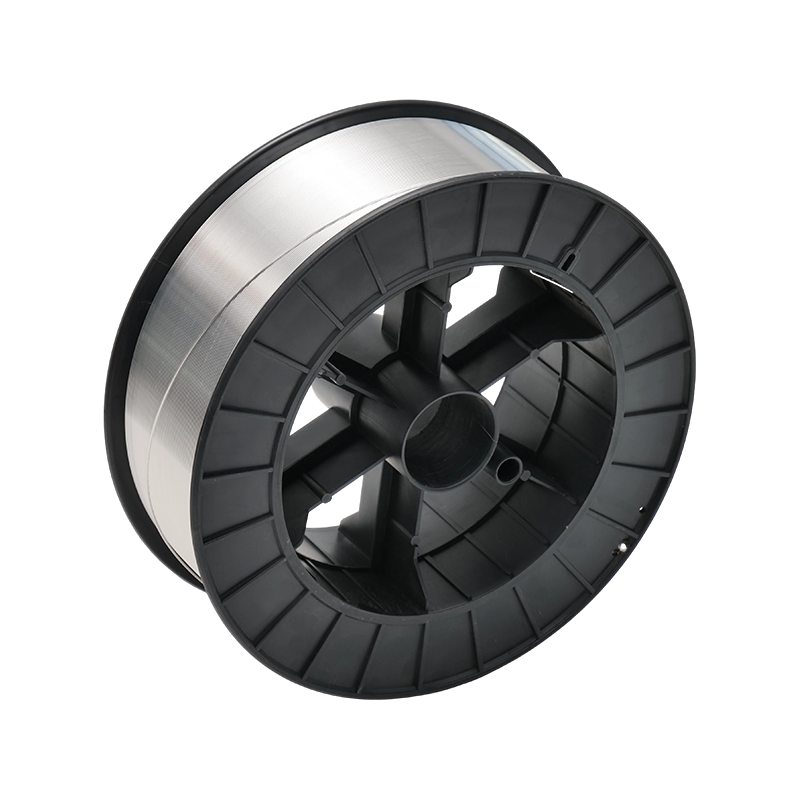
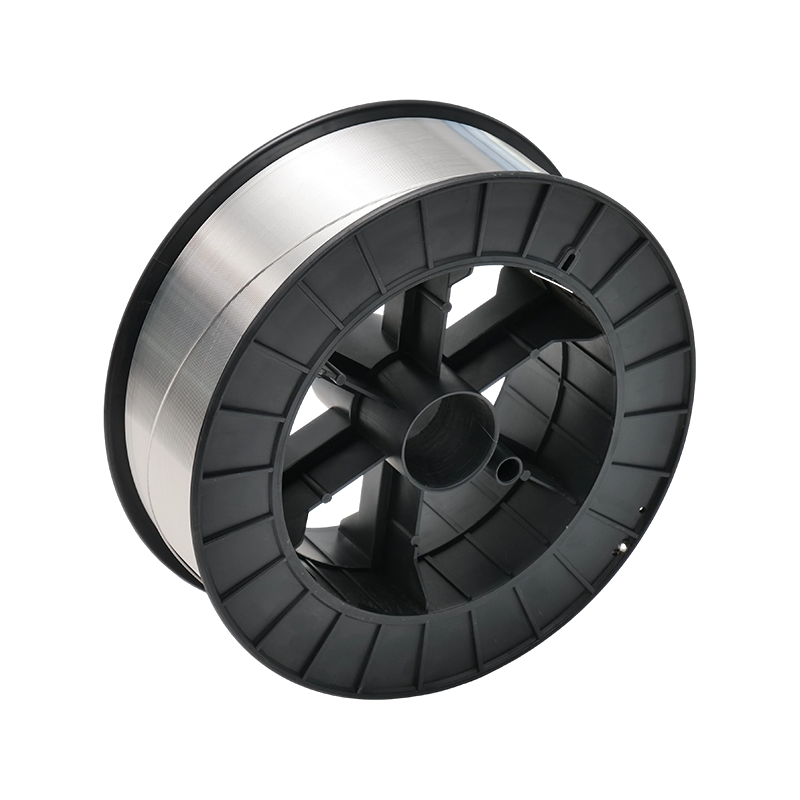 MIG Wire for Semi-Automatic and Robotic WeldingMIG wire designed for melting electrode argon arc welding, ensuring reliable feedability and weld joint properties for various welding processes.View Product →
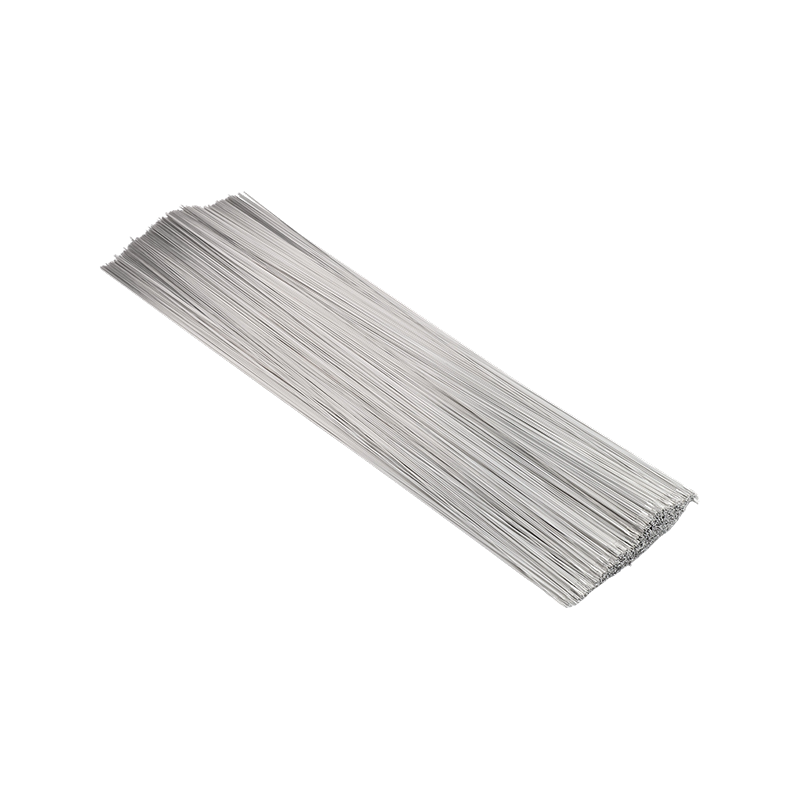
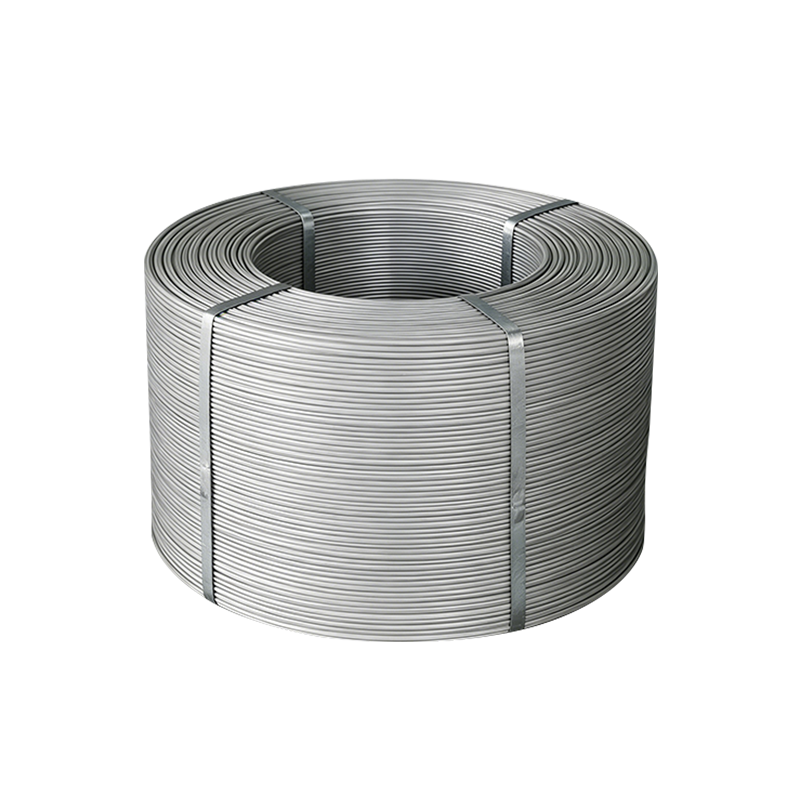 High-Strength AlMg6 Aluminum Alloy WireAlMg6 alloy wire offers high strength, good exfoliation corrosion resistance, and weldability, suitable for aviation, aerospace, military, and automotive applications.View Product →
To make the comparison easier, you can work through a practical guide to aluminum alloy wire grades and how they are selected to refine your specification before you send an RFQ. If fasteners and rivets are your main concern, similar guidance on aluminum rivet wire alloys and manufacturing requirements is worth reviewing.
A supplier's product range should be matched to your process, not the other way around. By checking the spec sheet, certifications, and inspection practices first, you can avoid the most common procurement risks and make your production schedule more predictable.