

 English
 中文简体
中文简体 русский
 Deutsch
On a fabrication floor, the most common cause of a bad aluminum weld is not the machine settings. A spool of aluminum welding wire marked for one alloy sits loaded on a gun feeding a different base metal; the bead turns dark and sooty, porosity appears, and the batch has to be reworked. Aluminum welding wire is an engineered consumable, and selecting it correctly is the first step toward a sound weld.
Aluminum also behaves differently from steel under the arc: its melting point is low, its thermal conductivity is high, and its oxide film melts well above the metal beneath it. The filler wire has to manage those traits, which is why the choice of wire matters so much.
The practical sequence is straightforward. Before touching voltage, wire feed speed, or travel speed, answer three questions in order:
- Which welding process — MIG or TIG — fits the joint geometry, material thickness, and production volume?
- Which filler alloy matches the base metal and the service conditions the weld will face?
- Can the supplier back its wire with consistent quality control and traceable test certificates?
Get those three right, and the rest of the welding procedure falls into place.
Content
Understanding Aluminum Welding Wire
Aluminum welding wire is the filler metal that melts into the joint and becomes part of the finished weld. It is classified with the ER prefix (electrode/rod) followed by a four-digit alloy designation — ER1100, ER4043, ER5356, and similar. The wire's composition, not just the base metal, determines the weld's strength, ductility, corrosion resistance, and cracking behavior.
Because the weld deposit solidifies as a cast structure, its properties can differ noticeably from the wrought base metal. That is why filler selection is treated as part of the joint design. A pure aluminum filler maximizes corrosion resistance and conductivity but gives up strength; a magnesium-bearing filler preserves strength at the cost of fluidity. For a broader view of the grades and their typical jobs, see our guide to aluminum wire families.
MIG vs. TIG: Two Processes, Two Wire Behaviors
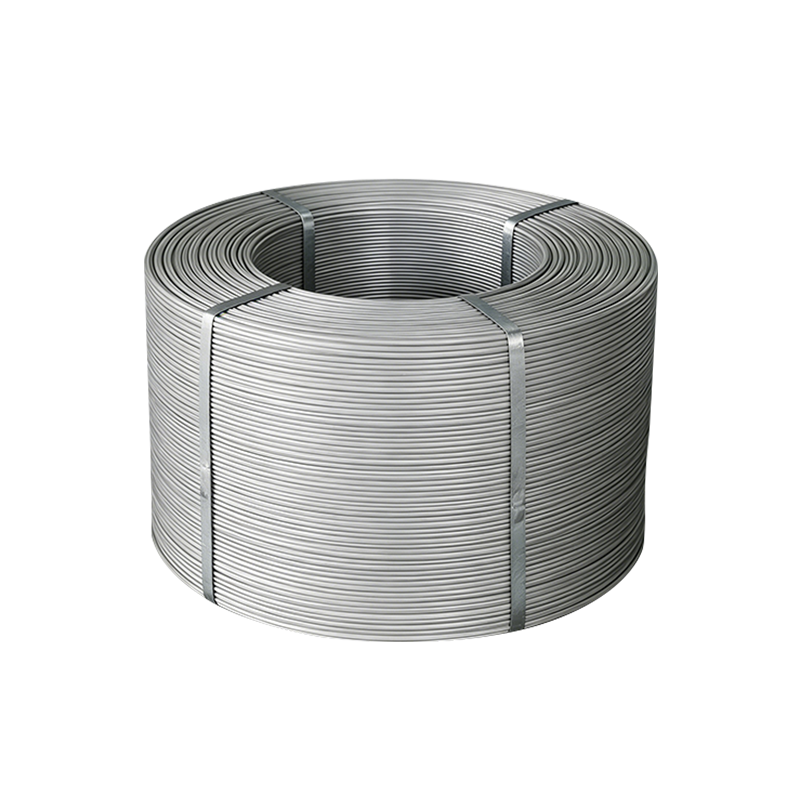
MIG (GMAW) is the high-deposition process. A continuous spool feeds wire through a liner and contact tip, so it suits long joints, thicker sections, and repeat production runs. The price of that speed is sensitivity: aluminum welding wire must have a clean surface, consistent cast, and stable helix to travel smoothly at speed. A spool with erratic cast causes arc instability and bird-nesting; a contaminated surface puts oxide and moisture directly into the weld pool. For general fabrication where throughput matters, MIG wire in the correct alloy is the workhorse choice.
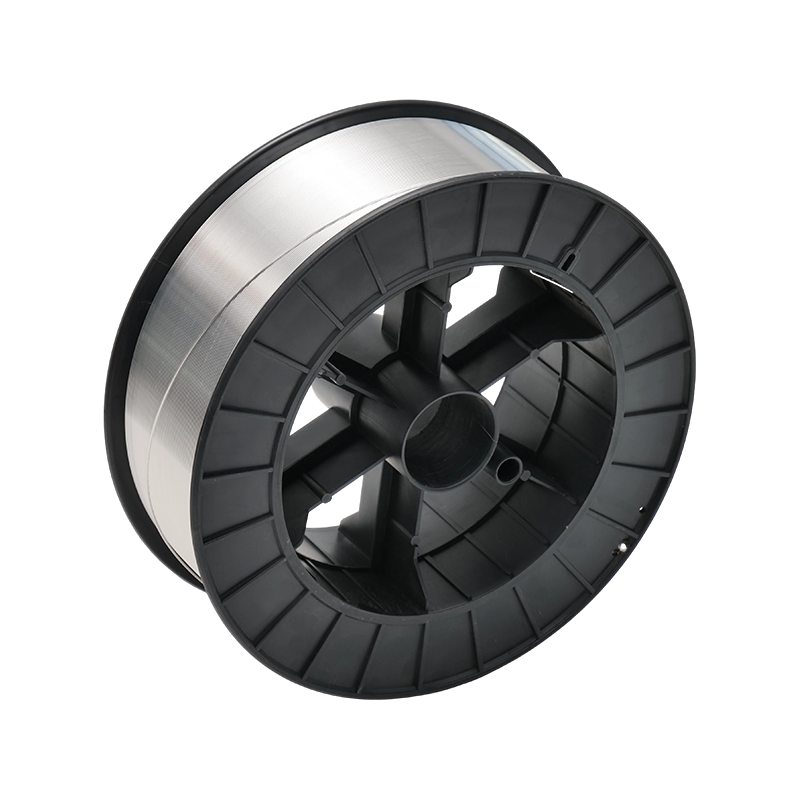
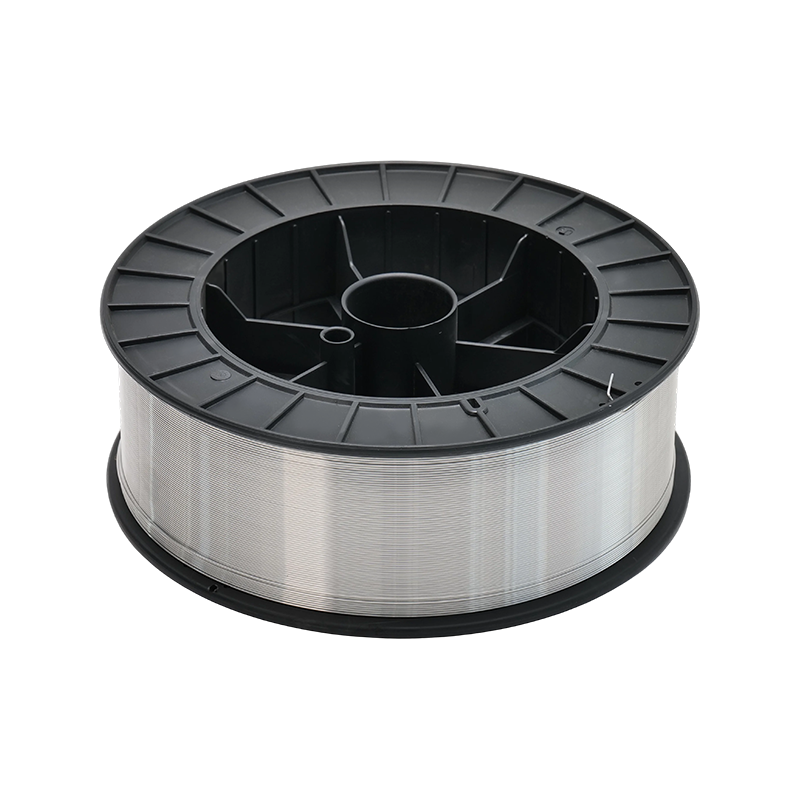
 Aluminum MIG Welding Wire for High-Deposition FabricationThis continuous-spool MIG wire suits long joints and repeat production runs. Its clean surface, consistent cast, and stable helix help prevent arc instability and bird-nesting, making it a practical choice for general fabrication work.View Product →
TIG (GTAW) takes the opposite approach. The wire is fed by hand as a straight rod, giving the welder full control over heat input and filler addition. That makes it the preferred process for thin sections, critical root passes, and joints that must meet high visual or mechanical standards. The trade-off is speed: TIG is slower and heavily operator-dependent, which is acceptable when quality requirements justify the cost. The alloy logic is the same as for MIG — the rod must match the base metal — but the finer control lets TIG handle alloys that are more difficult to weld.
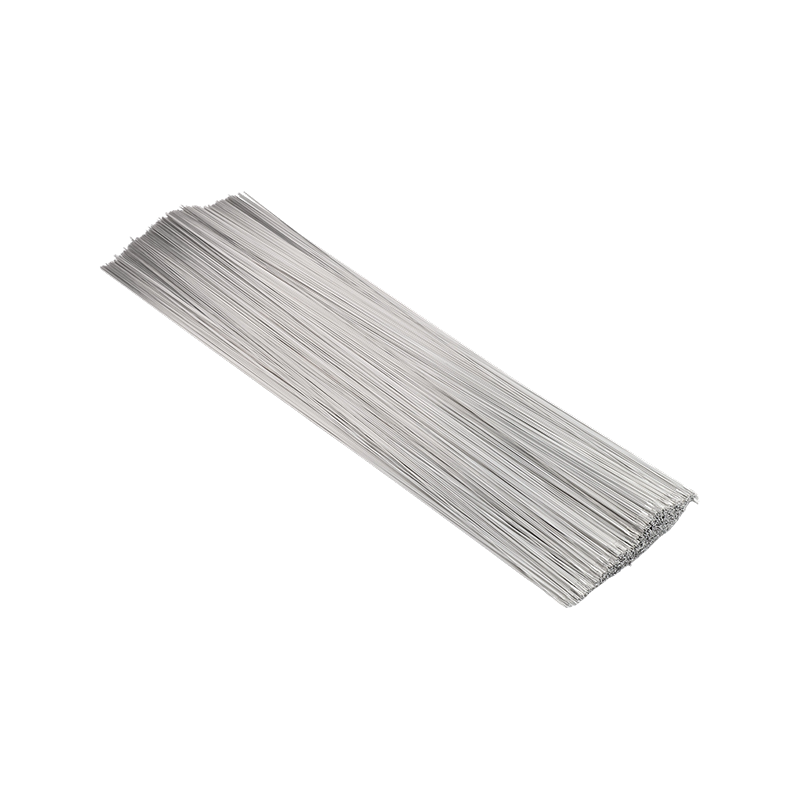
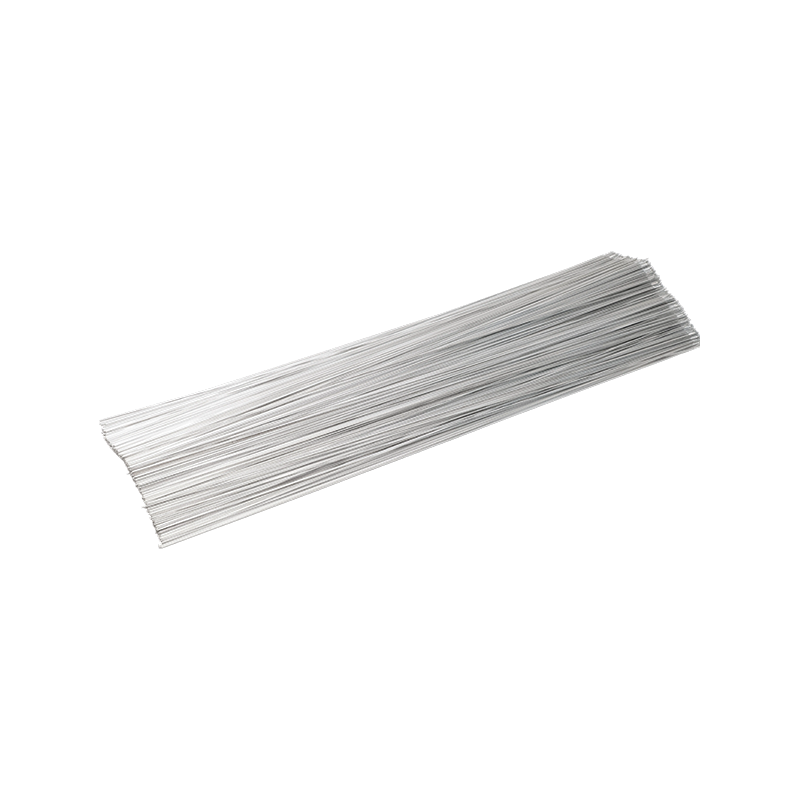 Aluminum TIG Welding Rod for Precision Hand-Fed WeldsThis straight TIG rod gives the welder manual control over filler addition, ideal for thin sections, critical root passes, and joints requiring high visual or mechanical standards. A dependable option for alloy-matched TIG welding.View Product →
Most shops do not have to choose once. A spool gun handles the production work while a TIG torch covers the cosmetic and high-integrity joints. The key is matching the wire to the job, not forcing one process to do everything.
Matching the Filler Alloy to the Base Metal
The filler alloy must be compatible with the base alloy because the weld deposit is a new structure with its own cast properties. A few rules cover most aluminum welding jobs.
- 1xxx and lightly alloyed bases. Use a pure aluminum filler such as ER1100 when the priority is electrical conductivity or corrosion resistance; the weld will be softer than the wrought base.
- 5xxx bases (5052, 5083, 5086). Use an aluminum-magnesium filler such as ER5356, or a higher-magnesium grade such as AlMg6 when post-weld strength is the governing requirement.
- 6xxx bases (6061, 6063). ER4043 (Al-Si) is the conventional choice for hot-crack resistance; ER5356 can be substituted when maximum strength matters more than crack sensitivity.
- Dissimilar joints and castings. ER4043 is the most forgiving filler thanks to its fluidity and tolerance for base-metal variations.
| Filler family | Common designation | Typical base metals | Weld characteristics |
|---|---|---|---|
| 1xxx (pure Al) | ER1100 | 1100, 3003 | High corrosion resistance, lower strength |
| 4xxx (Al-Si) | ER4043 | 6061, 6063, castings | Good crack resistance, moderate strength |
| 5xxx (Al-Mg) | ER5356, AlMg6 | 5052, 5083, 5086 | Higher strength, good corrosion resistance |
The 5xxx family deserves the most attention in structural work. Aluminum-magnesium fillers preserve a larger share of the base alloy's strength, which is why AlMg6 is specified for welded assemblies, marine components, and cold-formed products such as rivets. It balances mechanical properties against corrosion performance in salt- and moisture-prone environments.
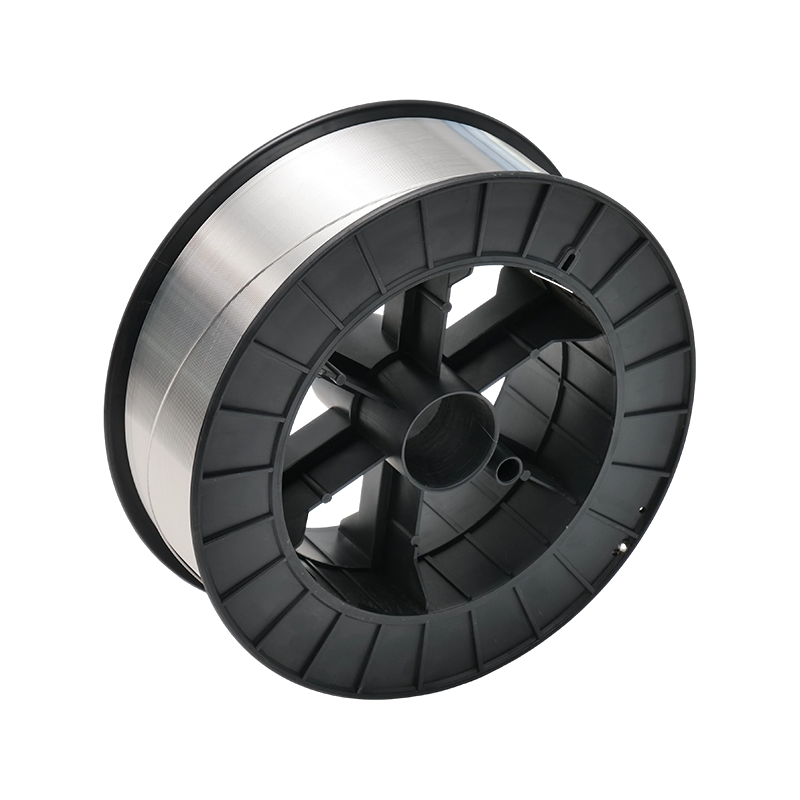
 AlMg6 Aluminum Alloy Wire for Structural and Marine WeldingThis aluminum-magnesium filler preserves base alloy strength, offering good exfoliation corrosion resistance and weldability. It is specified for welded assemblies, marine components, and rivets where toughness in salt-prone environments matters.View Product →
At the opposite end, high-purity wires such as 1090 are selected when the weld must match a pure aluminum parent metal — conductivity-critical busbars, chemical equipment, or components that will be anodized. The accepted trade-off is lower strength, which rules them out for load-bearing joints.
What to Check Before You Buy Welding Wire
Aluminum wire is sensitive to surface contamination and dimensional consistency, so the supplier's quality system matters as much as the alloy chemistry. Review a supplier against a short checklist before ordering in quantity.
- Certifications. ISO 9001 covers general quality management; IATF 16949 is the automotive supply-chain standard; CE marking supports European projects. Jiangsu Hetuo Aluminum Wire obtained ISO 9001:2015 in 2021, CE certification in 2022, and IATF 16949:2016 in 2023.
- Surface and packaging. Wire should be drawn clean, wound under controlled tension, and sealed in moisture-barrier packaging. Visible drawing compound or a punctured bag is an immediate warning sign.
- Cast and helix. Irregular cast makes the wire wander at the tip and leads to erratic arcs. A good spool pays off smoothly with no kinks or nesting, even at high feed speeds.
- Traceability. Heat numbers and material test certificates let you trace a defect to its source. When a weld failure costs weeks of production, that documentation is not paperwork — it is protection.
At Jiangsu Hetuo Aluminum Wire, our quality management is built on process-level inspection from drawing through spooling, backed by documented traceability. That discipline keeps porosity, feed problems, and surprises off the shop floor.
Storage and Handling That Preserve Wire Quality
Wire quality can be destroyed after it arrives. Store aluminum welding wire in a dry, temperature-stable room, off the concrete floor, and away from welding fumes and grinding dust. Keep spools sealed until the moment of use; reseal partial spools with the desiccant pack; handle wire with clean gloves, because skin oils alone can cause porosity in aluminum welds. Before a critical run, a short test weld on scrap confirms that the wire, gas, and machine are still in agreement.
Aluminum welding wire is selected correctly when it is treated as part of the weld design rather than a shelf item. Choose the process first — MIG where deposition rate matters, TIG where precision matters. Then match the filler alloy to the base metal and service condition. Finally, verify that the supplier has the certifications, traceability, and packaging discipline to deliver consistent wire every time. Work through that sequence once, and the spool on your gun stops being a variable in the quality equation.