

 English
 中文简体
中文简体 русский
 Deutsch
Content
- 1 What Aluminum Rivet Wire Is and How It Differs from Finished Rivets
- 2 Common Alloy Grades and Their Mechanical Profiles
- 3
- 4 Wire Drawing Process and How It Affects Final Properties
- 5 Diameter Tolerances, Coil Formats, and Surface Conditions
- 6 Key Industries and Application Contexts
- 7 Sourcing and Quality Verification Considerations
What Aluminum Rivet Wire Is and How It Differs from Finished Rivets
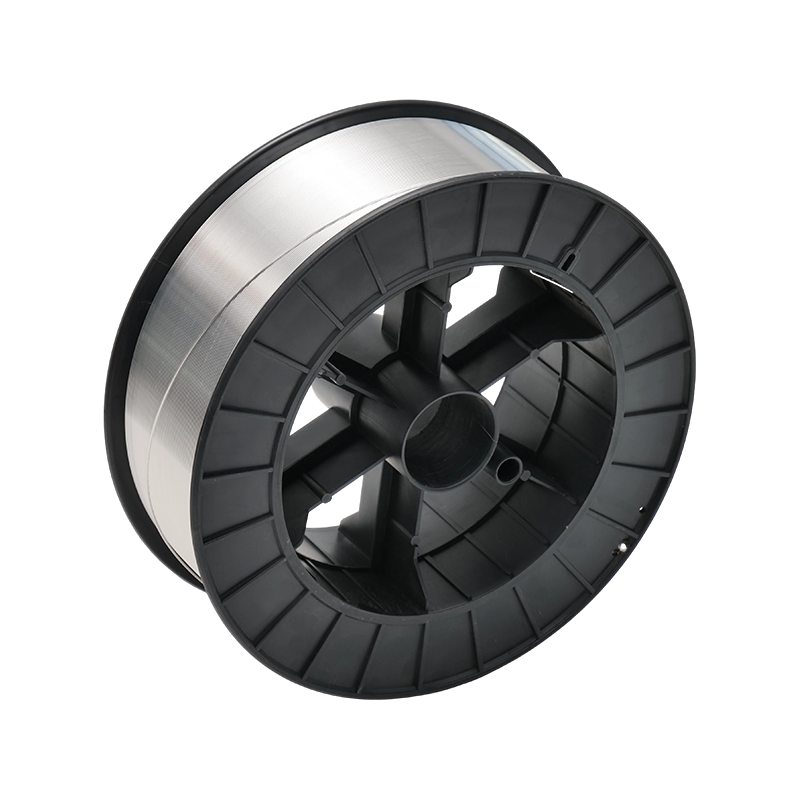
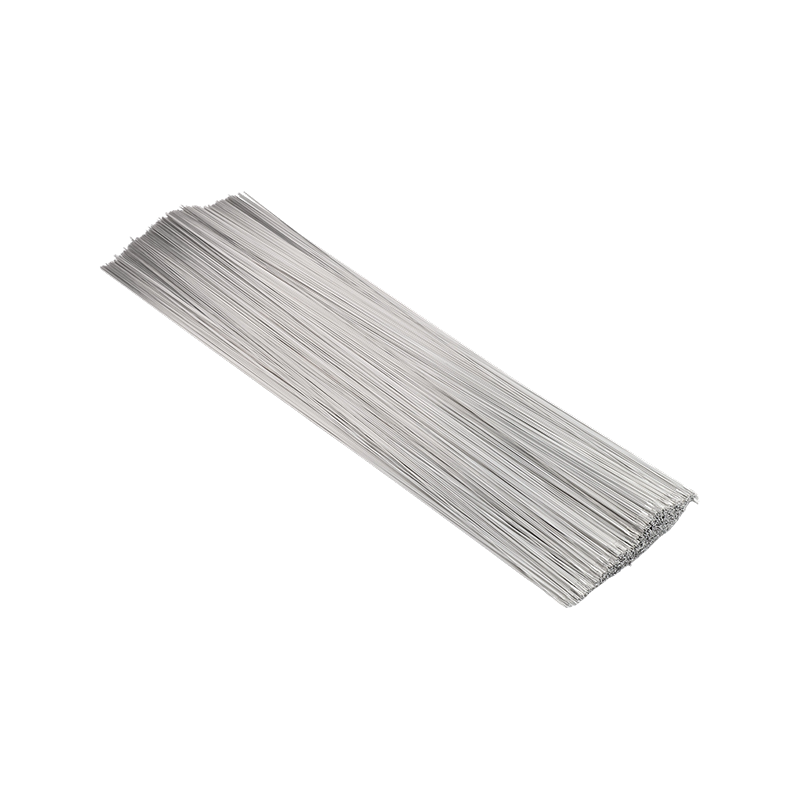
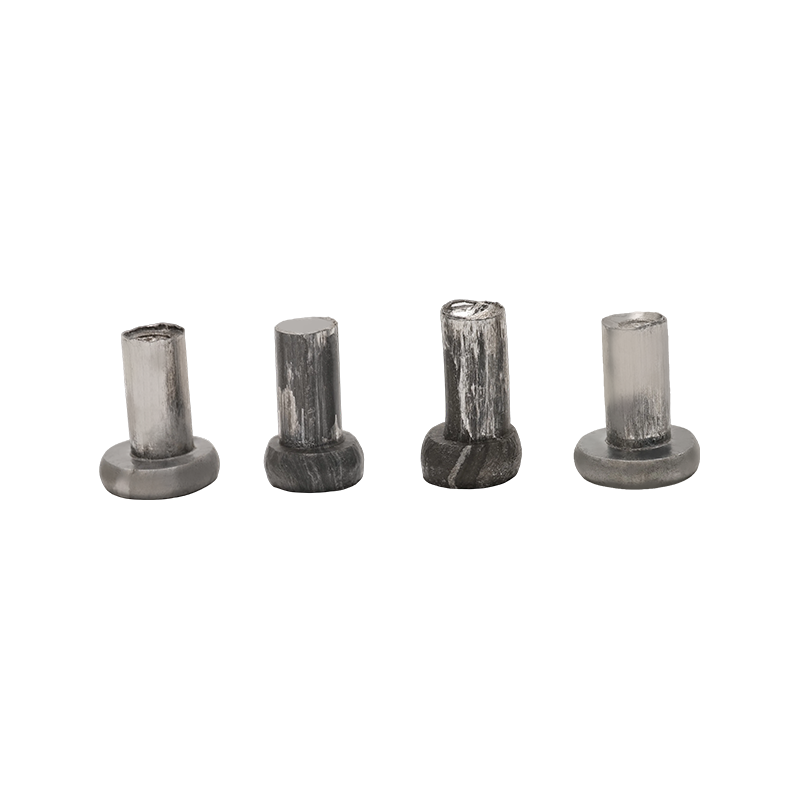
Aluminum rivet wire is the raw drawn wire feedstock used to cold-form blind rivets, solid rivets, and semi-tubular rivets in automated heading and forming equipment. It is distinct from finished rivets in that it is supplied in coil or straight-cut rod form and undergoes secondary forming at the fastener manufacturer's facility — or, in some cases, directly on an in-line production machine.
The wire is produced through a sequence of hot extrusion, multi-pass cold drawing, and controlled annealing cycles. Each pass through progressively smaller dies refines the grain structure and brings the wire to a precise diameter, typically within a tolerance of ±0.01 to ±0.03 mm depending on the specification tier. Surface condition — whether as-drawn, bright annealed, or lightly lubricated — affects how cleanly the wire feeds through forming tooling and how consistently rivet heads form without cracking or splitting.
Understanding the wire as an intermediate product is important for procurement: the mechanical properties of the finished rivet are largely set at the wire stage, which means alloy selection and temper condition must be determined before forming begins, not after.
Common Alloy Grades and Their Mechanical Profiles
The aluminum alloy grade chosen for rivet wire governs the fastener's shear strength, corrosion resistance, and compatibility with the base materials being joined. Several alloys are used routinely in rivet wire production, each suited to different service demands.
1100 Alloy (Commercially Pure Aluminum)
1100 is a 99%+ pure aluminum grade offering excellent corrosion resistance and very high formability. Its tensile strength in the annealed condition is approximately 75–95 MPa, which makes it suitable for non-structural riveting applications — joining thin aluminum sheet, foil packs, signage panels, and decorative assemblies where strength is secondary to corrosion performance and ease of heading. The low work-hardening rate means 1100 wire can undergo significant cold deformation without cracking.
5052 and 5056 Alloys (Al-Mg Series)
The 5xxx magnesium-bearing alloys deliver a step up in strength while retaining good corrosion resistance, particularly in marine and outdoor environments. 5056 is the most widely specified alloy for blind rivet wire in aerospace and structural sheet-metal work, with a shear strength in the drawn condition of approximately 150–165 MPa. The magnesium content — around 5% in 5056 — increases work-hardening rate, which contributes to the rivet's resistance to loosening under vibration after installation. 5052 offers slightly lower strength but better weldability and is used where galvanic compatibility with the parent material is a priority.
6061 Alloy (Al-Mg-Si Series)
6061 wire in the T4 or T6 temper is used for solid rivets in structural applications requiring higher load capacity. Tensile strength in the T6 condition reaches 260–310 MPa. The trade-off is reduced formability compared to 1100 or 5056 — heading must be performed carefully, often requiring intermediate annealing, to avoid head-cracking. 6061 rivets are common in transportation, heavy equipment frames, and construction hardware where static load performance is the primary design criterion.
| Alloy | Tensile Strength (approx.) | Formability | Typical Application |
|---|---|---|---|
| 1100 | 75–95 MPa | Excellent | Non-structural, decorative |
| 5052 | 170–215 MPa | Good | Marine, outdoor enclosures |
| 5056 | 290–350 MPa | Good | Blind rivets, aerospace sheet metal |
| 6061-T6 | 260–310 MPa | Moderate | Structural solid rivets |
Wire Drawing Process and How It Affects Final Properties
The drawing process introduces work-hardening that raises tensile and yield strength progressively as diameter decreases. For rivet wire, this is both useful and a constraint: the wire must arrive at the heading station with enough residual ductility to form a clean rivet head without internal voids or surface laps, but with sufficient strength to meet the finished rivet's load specification.
Manufacturers balance this through intermediate annealing — heating the wire to a temperature that restores ductility without fully eliminating the strength gains from prior drawing passes. The annealing atmosphere (nitrogen or controlled air) and soak time are tightly managed to avoid surface oxidation that would impair adhesion of lubricants applied later in the process.
Wire supplied in the H14 or H16 temper (quarter-hard to half-hard) is the most common condition for blind rivet production. Fully annealed (O temper) wire is specified where maximum heading deformation is required, such as for rivets with unusually large head-to-shank diameter ratios. The temper designation should always be confirmed against the forming equipment's tooling design — mismatches between wire hardness and heading force lead to inconsistent head geometry and elevated scrap rates.
Diameter Tolerances, Coil Formats, and Surface Conditions
Aluminum rivet wire for industrial heading is held to tighter dimensional tolerances than general-purpose wire rod. Standard diameter ranges run from approximately 1.5 mm to 6.4 mm, covering the majority of blind and solid rivet shank diameters used in production environments. Custom diameters outside this range are available from specialist converters but require minimum order quantities that reflect the additional die setup involved.
Tolerance Classes
Most rivet wire suppliers offer two tolerance classes: standard (±0.03 mm) and precision (±0.01 mm). Precision-tolerance wire is required for high-speed cold heading machines where die clearance is minimal and diameter variation causes jamming or inconsistent upset ratios. For slower bench-press or manual heading operations, standard tolerance is adequate and reduces material cost.
Coil and Spool Formats
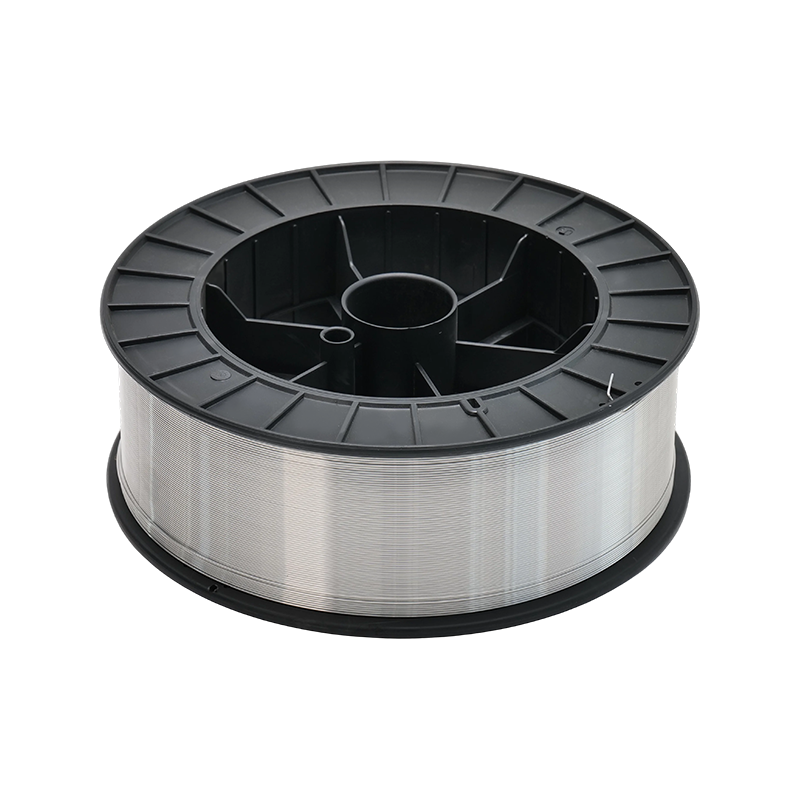
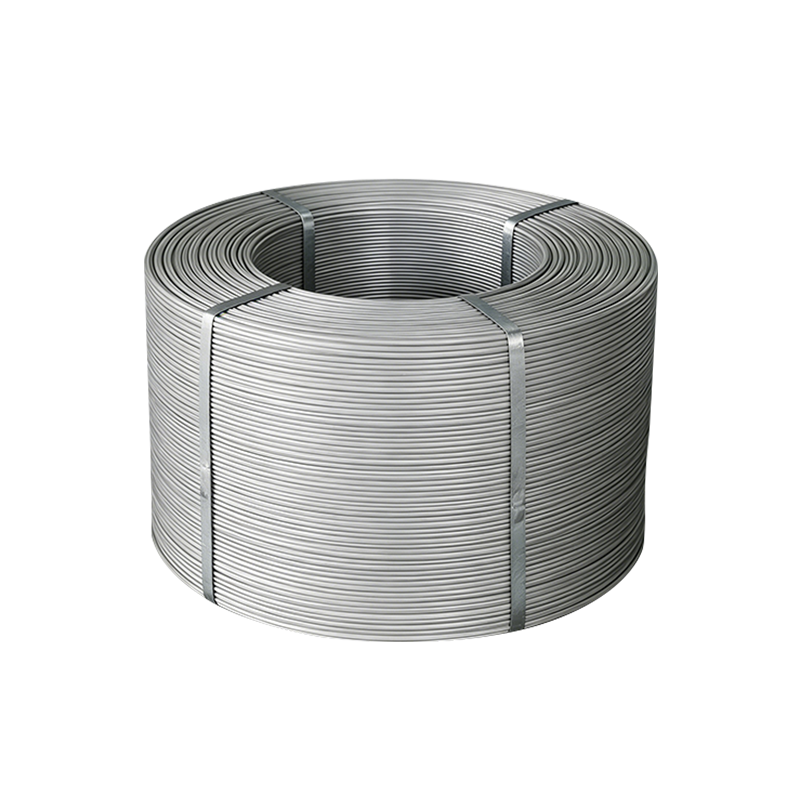
Wire is typically supplied as bare coils (eye-to-sky or eye-to-side orientation), traverse-wound spools for direct machine feed, or pre-straightened cut lengths for manual operations. Traverse winding eliminates the loop-set memory inherent in coil-wound wire and is strongly preferred for high-speed continuous heading lines, as loop-set causes inconsistent wire feed angle and sporadic heading misalignment.
Lubrication and Surface Finish
As-drawn wire carries a residual drawing lubricant film — typically a soap or oil compound — that aids die entry during heading. Bright-annealed wire has a cleaner surface suitable for applications requiring tight coating adhesion after riveting, such as painted assemblies or anodized components. Wire intended for use in food-contact or pharmaceutical equipment is sometimes specified clean and dry with no hydrocarbon lubricant, which requires water-based drawing compounds and clean-room coil packaging.
Key Industries and Application Contexts
Aluminum rivet wire feeds into a wide range of downstream fastener production, and the sectors consuming finished aluminum rivets dictate which wire grades dominate procurement volumes.
- Aerospace and aviation MRO: 5056 and 2117 alloy wire for blind rivets used in skin panel repair and interior structure attachment. Traceability documentation and material certification to AMS or ASTM standards are mandatory.
- Automotive and commercial vehicles: 5052 and 6061 wire for interior trim clips, body panel attachment, and heat shield fastening. High-volume automated heading is the norm, placing a premium on consistent wire diameter and surface lubrication.
- Construction and curtain wall systems: 1100 and 5052 rivets for aluminum cladding panels, roofing systems, and window frame assemblies. Corrosion resistance outweighs strength in many exterior architectural applications.
- Electronics and appliances: Small-diameter 1100 wire for internal chassis assembly and PCB mounting brackets where rivets are preferred over screws for vibration resistance in compact assemblies.
- Consumer goods and packaging: Low-cost 1100 wire for handles, closures, and decorative fasteners on bags, luggage, and display fixtures.
In each sector, the rivet wire specification flows directly from the end-use load requirement, the environment the joint will be exposed to, and the production method used to form the rivet. Aligning these three factors before placing a wire order prevents costly mid-run specification changes.
Sourcing and Quality Verification Considerations
When sourcing aluminum rivet wire at volume, quality verification begins with the mill certificate. A valid certificate of conformance should report chemical composition by alloy designation, mechanical test results (tensile strength, elongation, hardness), dimensional inspection data, and the applicable standard — commonly ASTM B211 for drawn rod and bar, or supplier-specific internal standards for precision-tolerance wire.
Beyond the certificate, incoming inspection protocols for rivet wire typically include diameter measurement at multiple points per coil using calibrated micrometers, visual surface inspection for pits, seams, and die lines that would initiate head cracking during forming, and a sample heading trial on production tooling before the full lot is accepted into stock.
Lot traceability is particularly critical for aerospace and automotive supply chains, where a single lot of non-conforming wire can affect tens of thousands of finished rivets across multiple assemblies. Suppliers who assign unique heat numbers to each melt and maintain records linking coil IDs to heat numbers provide the traceability depth that tier-one manufacturers and auditors require.