

 English
 中文简体
中文简体 русский
 Deutsch
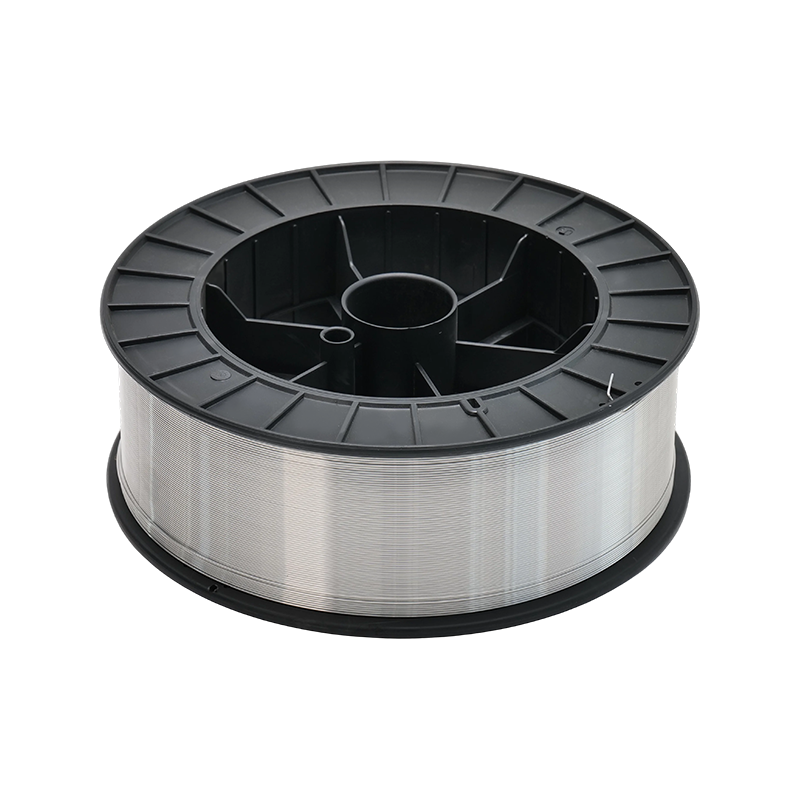
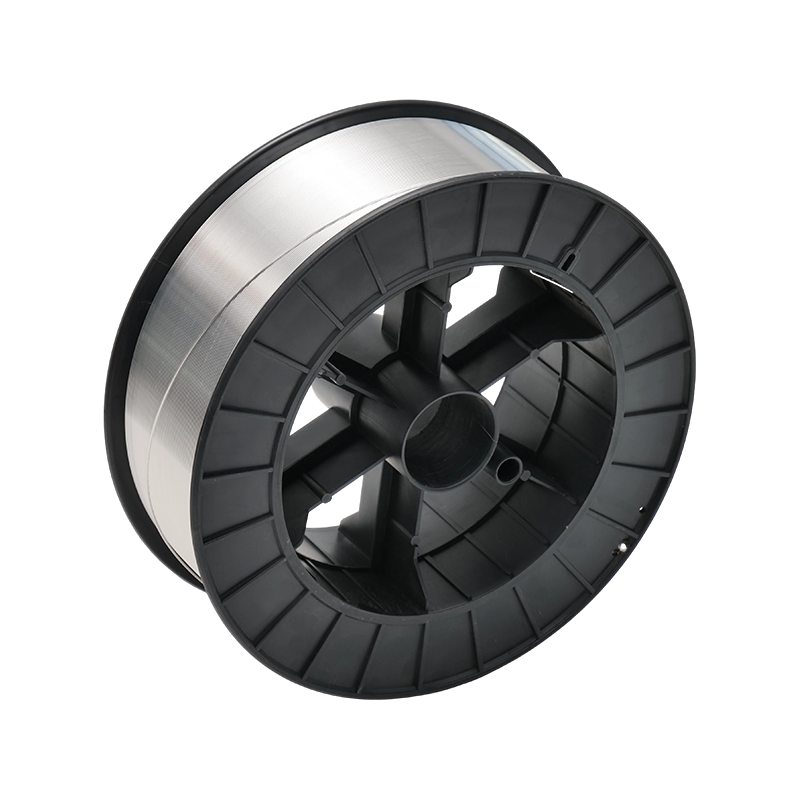
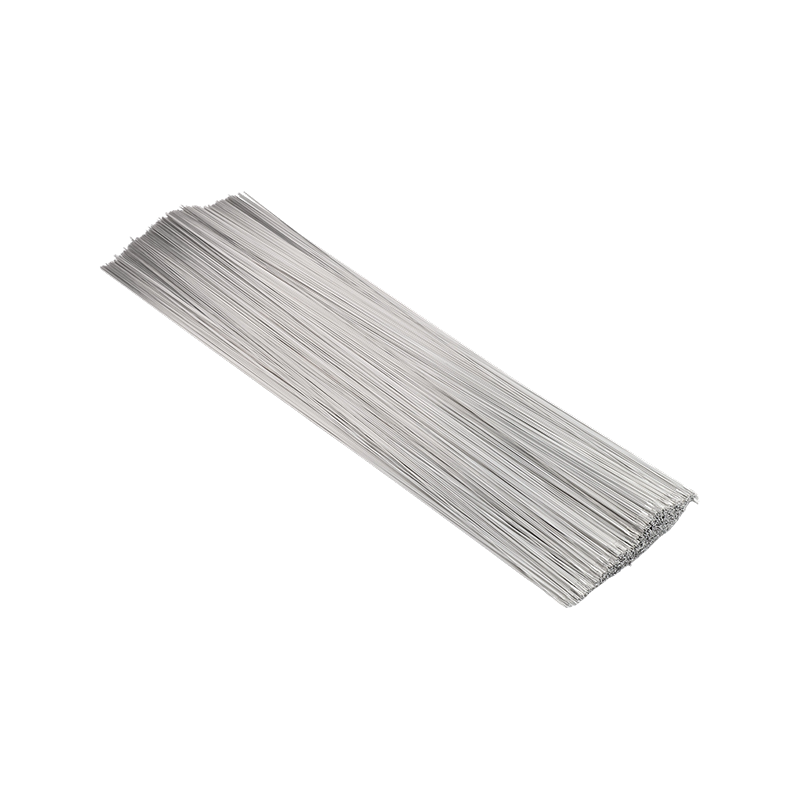
Aluminum alloy wire delivers a combination of properties that pure aluminum wire and copper wire each fail to match on their own: meaningful tensile strength, low density, good electrical or mechanical performance depending on alloy series, and resistance to corrosion without surface treatment. The tradeoff compared with pure aluminum is a modest increase in cost and, in some series, a slight reduction in conductivity—tradeoffs that are readily justified in applications where wire fatigue, load-bearing capacity, or weight are primary design constraints.
Three alloy series cover the overwhelming majority of commercial aluminum alloy wire: the 5xxx series (Al-Mg), the 6xxx series (Al-Mg-Si), and the 8xxx series (Al-Fe). Each targets a different balance of mechanical and electrical properties, which is why specifying the correct alloy—not just "aluminum wire"—is essential at the design stage.
Content
- 1 Alloy Series Overview and How They Differ
- 2 5056 Aluminum Alloy Wire: Properties and Applications
- 3 High-Strength Aluminum Alloy Wire: Defining the Category
- 4 Wire Drawing Process and How It Affects Final Properties
- 5 Corrosion Resistance: What Aluminum Alloy Wire Can and Cannot Tolerate
- 6 Selecting the Right Aluminum Alloy Wire: A Decision Framework
Alloy Series Overview and How They Differ
Understanding the series classification is the fastest way to narrow down which aluminum alloy wire is appropriate for a given use case.
5xxx Series (Al-Mg): High Strength, Non-Heat-Treatable
The 5xxx series achieves its strength through solid-solution hardening and work hardening rather than precipitation heat treatment. Magnesium content typically ranges from 0.5% to 5.5%. Higher magnesium content correlates directly with higher tensile strength and yield strength but reduces ductility and cold-forming ease. 5056 aluminum alloy wire, with approximately 4.5–5.6% Mg, sits near the top of the series in terms of strength and is covered in detail in the following section. Other members such as 5154 and 5356 are widely used as MIG welding wire because their composition closely matches that of 5xxx-series wrought products, minimising weld joint strength loss.
6xxx Series (Al-Mg-Si): Heat-Treatable, Good Conductivity Balance
6201 aluminum alloy wire is the dominant product in this series for electrical applications. After drawing and T81 temper treatment, 6201 achieves a minimum tensile strength of 295 MPa with electrical conductivity of approximately 52.5% IACS—sufficient for overhead transmission conductors where mechanical load and sag control are critical. It is used in AAAC (All-Aluminium Alloy Conductor) cables precisely because it outperforms 1350 pure aluminum in strength while maintaining acceptable conductivity for long-span overhead lines.
8xxx Series (Al-Fe): Electrical Grade with Low Sag
8030 and 8176 alloys incorporate iron and sometimes silicon to improve creep resistance and tensile strength compared with 1350 pure aluminum, while keeping conductivity above 61% IACS. These alloys are the standard choice for building wire and utility distribution conductors where the wire must conform to NEC or IEC standards and offer improved long-term stability under thermal cycling.
5056 Aluminum Alloy Wire: Properties and Applications
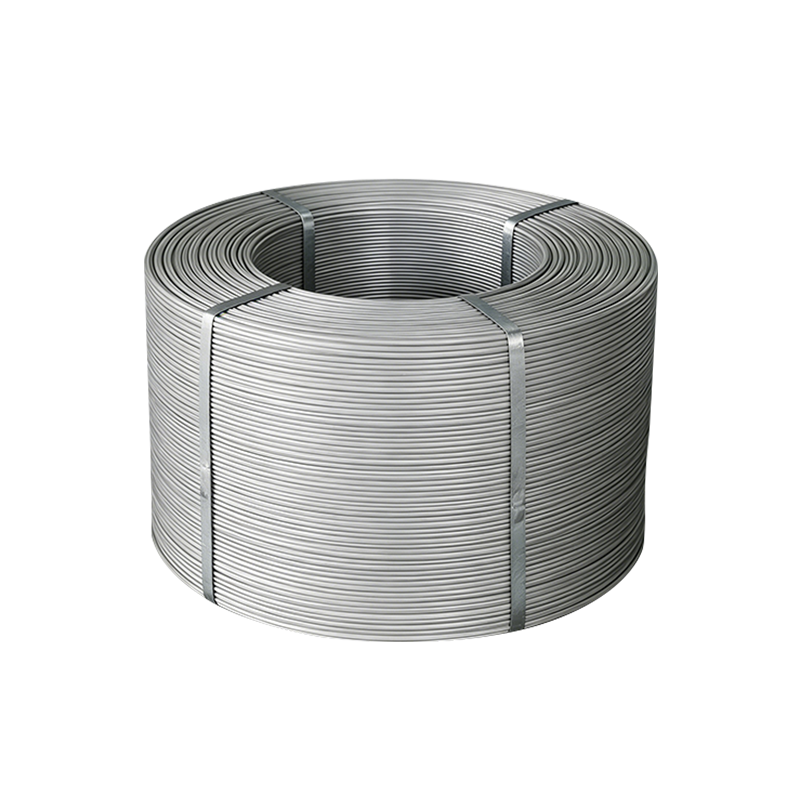
5056 aluminum alloy wire is one of the highest-strength non-heat-treatable aluminum alloys in wire form. Its nominal composition under AA and ASTM standards includes 4.5–5.6% magnesium, 0.05–0.20% chromium, and 0.05–0.20% manganese, with iron, silicon, copper, and zinc held to tight maximums to preserve corrosion resistance and ductility.
| Property | 5056-O (Annealed) | 5056-H18 (Full Hard) |
|---|---|---|
| Tensile Strength | 290 MPa | 435 MPa |
| Yield Strength (0.2%) | 150 MPa | 405 MPa |
| Elongation | 35% | 2% |
| Density | 2.64 g/cm³ | |
| Electrical Conductivity | ~29% IACS | |
The combination of high tensile strength and low density gives 5056 a specific strength (strength-to-weight ratio) that competes with some mild steel wire at roughly one-third the weight. Its electrical conductivity at ~29% IACS is too low for power transmission, so 5056 is not used as a conductor wire—its value lies entirely in mechanical applications.
Primary Uses of 5056 Aluminum Alloy Wire
- Zipper teeth and chain components — 5056 is the dominant alloy for aluminum zipper manufacture globally. Its strength withstands repeated mechanical cycling without deforming teeth, and its anodising response produces consistent, dye-receptive oxide layers in the full color spectrum. YKK and other major zipper manufacturers rely on it as a primary input material.
- Braided and woven shielding — the H19 extra-hard temper of 5056 wire is used as the braid over cable jackets in military, aerospace, and marine cables where EMI shielding must survive flexing and vibration without fatigue fracture.
- Fastener and rivet wire — drawn 5056 rod and wire is formed into blind rivets for aircraft and structural assemblies. The combination of strength, corrosion resistance, and galvanic compatibility with aluminum sheet makes it preferable to steel rivets in aluminum-skinned structures.
- Insect screening and filtration mesh — fine-drawn 5056 wire woven into mesh provides better corrosion resistance in humid and coastal environments compared with 3003 or 1100 alloys, at acceptable cost.
- Armour braid for hoses and flexible conduit — high-magnesium 5xxx wire is used where a lightweight yet robust external protection layer is needed over hydraulic or pneumatic flexible hose assemblies.
High-Strength Aluminum Alloy Wire: Defining the Category
High-strength aluminum alloy wire does not refer to a single alloy but to a performance tier—wire products engineered to exceed the tensile strength achievable with pure aluminum (typically 80–100 MPa) by a substantial margin, generally targeting 250 MPa and above depending on temper and application. Several distinct alloy families reach this tier:
- 5xxx-H1x work-hardened wire (5056, 5154, 5183) — achieves 300–435 MPa through cold drawing without heat treatment. No age-hardening is possible, so strength is set at the drawing stage and is stable over time.
- 6201-T81 heat-treated wire — strength in the 295–330 MPa range with conductivity above 52% IACS, the standard for AAAC overhead conductors.
- 7xxx-series wire (7075, 7150) — tensile strength up to 570 MPa in drawn wire form, achieved through zinc-magnesium-copper precipitation hardening. Used in aerospace fastener wire and high-performance structural applications where weight savings over steel are critical and cost is secondary.
The distinction between these families matters because the same nominal tensile strength reached by different mechanisms has different stability characteristics. Work-hardened wire can soften if exposed to temperatures above ~150°C. Precipitation-hardened 7xxx wire retains its strength up to its ageing temperature but is susceptible to stress corrosion cracking in sustained tensile environments unless the T73 over-aged temper is specified. Neither concern applies to 6201 in its primary application as an overhead conductor.
Wire Drawing Process and How It Affects Final Properties
Aluminum alloy wire is produced by drawing rod stock through a series of progressively smaller tungsten carbide or polycrystalline diamond dies, reducing diameter in controlled increments. The degree of cold work applied—expressed as the reduction in cross-sectional area from the starting rod to the final wire diameter—directly determines the mechanical properties of the finished wire.
For non-heat-treatable alloys like 5056, each drawing pass increases tensile strength and hardness while reducing elongation. A wire drawn to H18 (fully work-hardened) temper will have undergone sufficient reduction to reach maximum strength for that alloy, at the cost of ductility. Intermediate tempers (H12, H14, H16) represent partial work-hardening and offer useful strength improvements while retaining enough elongation for downstream forming operations such as weaving, braiding, or rivet heading.
Key process controls that determine final wire quality include:
- Die angle and reduction ratio per pass — excessive reduction per pass increases internal stress and risk of centre-burst defects in higher-magnesium alloys.
- Lubrication — dry soap, wet emulsion, or oil-based lubricants are selected based on alloy, die material, and drawing speed to control die wear and surface finish.
- Intermediate annealing — for very fine wire or deep drawing sequences, controlled annealing between passes restores ductility and prevents fracture, then drawing resumes to target temper.
- Surface quality — seams, laps, or inclusions in the rod feed propagate into cracks in finished wire. Rod feedstock quality, especially surface oxide condition and inclusion rating, is a primary determinant of wire yield in fine-gauge production.
Corrosion Resistance: What Aluminum Alloy Wire Can and Cannot Tolerate
Aluminum alloy wire forms a self-healing passive oxide layer on exposure to air, giving it good general atmospheric corrosion resistance without surface treatment. However, alloy composition significantly affects performance in specific environments:
- 5056 and other high-Mg 5xxx alloys — excellent resistance to seawater and marine atmospheres; widely specified for marine hardware and cable shielding on vessels. However, alloys with magnesium content above ~3.5% are susceptible to sensitisation (intergranular corrosion) if held in the 65–175°C temperature range for extended periods. This limits their use in sustained elevated-temperature environments.
- 6xxx-series wire — good general and marine corrosion resistance with lower sensitisation risk. Chromate conversion coating or anodising further improves performance for aerospace and outdoor structural applications.
- 7xxx-series wire — the zinc content that drives high strength also increases susceptibility to stress corrosion cracking. 7075-T6 wire in sustained tension in humid environments can fail at stresses well below nominal tensile strength; T73 temper is the correct choice for structural applications where stress corrosion is a risk.
Galvanic compatibility is also critical when aluminum alloy wire contacts dissimilar metals. Direct contact with copper, brass, or steel in the presence of moisture accelerates corrosion of the aluminum. Sleeve connectors, crimps, and terminations in mixed-metal assemblies should incorporate bi-metallic transition fittings or isolating sleeves.
Selecting the Right Aluminum Alloy Wire: A Decision Framework
The appropriate alloy and temper for any aluminum alloy wire application can be narrowed down by working through a short set of questions in sequence:
- Is electrical conductivity required? If yes, the viable options are 6201-T81, 8030, or 8176. If no, the full range of mechanical alloys is available.
- What tensile strength is required? Below 250 MPa: 5154 or 5356 in H1x temper are cost-effective. 250–400 MPa: 5056-H18 or 6061-T81. Above 400 MPa: 7xxx series, accepting cost and stress corrosion trade-offs.
- Will the wire be welded or used as welding consumable? If yes, 5356 or 5183 filler wire is the standard choice; 5056 is also used where higher weld strength is needed for 5xxx base materials.
- Will the wire be anodised or decoratively finished? 5056 responds well and produces bright, uniform anodised surfaces. 6xxx alloys also anodise well. 7xxx alloys anodise but with reduced consistency due to higher alloying content.
- Is the application subject to sustained tensile stress in a corrosive environment? Avoid unsensitised high-Mg 5xxx at elevated temperature; avoid 7xxx-T6; specify 7xxx-T73 or shift to 6xxx alloys.
- Is fine diameter (<0.5 mm) required? 5056 and 6xxx alloys are routinely drawn to fine gauges for screen and braid applications. 7xxx alloys are less commonly available in very fine diameter due to lower ductility.
Working through these criteria before approaching suppliers reduces the risk of receiving wire that meets a nominal specification but fails in service due to a mismatch between temper, environment, and loading conditions.