

 English
 中文简体
中文简体 русский
 Deutsch
Content
- 1 What Is High Purity Aluminum Wire
- 2 Purity Grades and Their Impact on Wire Performance
- 3 Wire Drawing and Annealing: How Purity Is Preserved Through Processing
- 4 Aluminum Bonding Wire in Semiconductor Packaging
- 5 High Purity Aluminum Wire for Cryogenic and Quantum Applications
- 6 Evaporation and Sputtering Feedstock Wire
- 7 Sacrificial Anode and Electroplating Anode Wire
- 8 Mechanical Properties and Handling Considerations
- 9 How to Specify High Purity Aluminum Wire
What Is High Purity Aluminum Wire
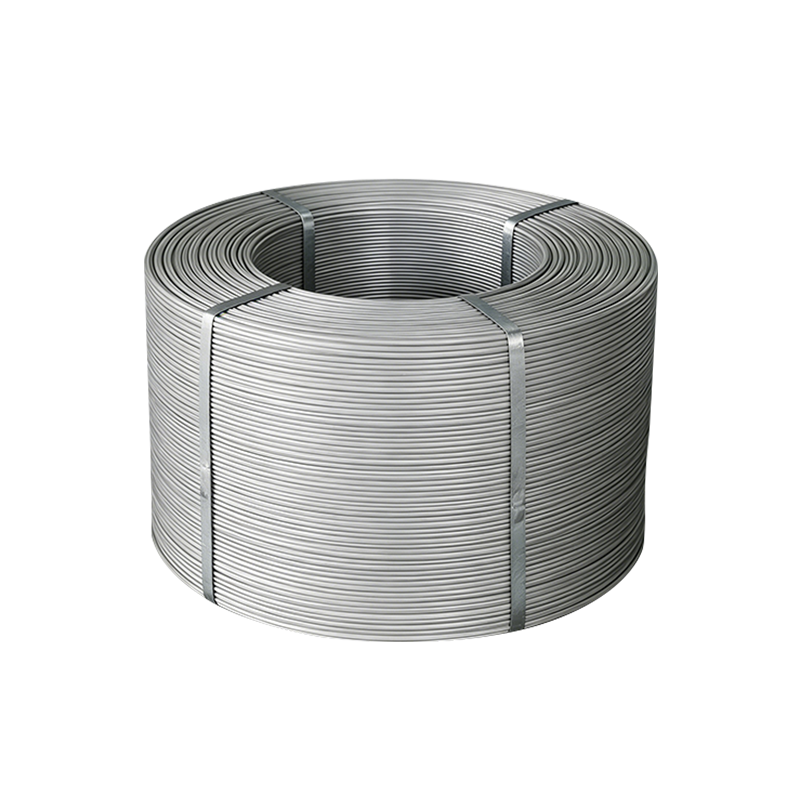
High purity aluminum wire is aluminum wire produced from refined aluminum stock with a minimum purity of 99.99% (4N), and in demanding applications 99.999% (5N) or higher. Unlike standard electrical-grade aluminum wire (typically 1350 alloy, 99.5% Al minimum), high purity wire is manufactured with strict controls on total metallic impurities and, where the application demands it, on specific element concentrations at the parts-per-million or sub-ppm level.
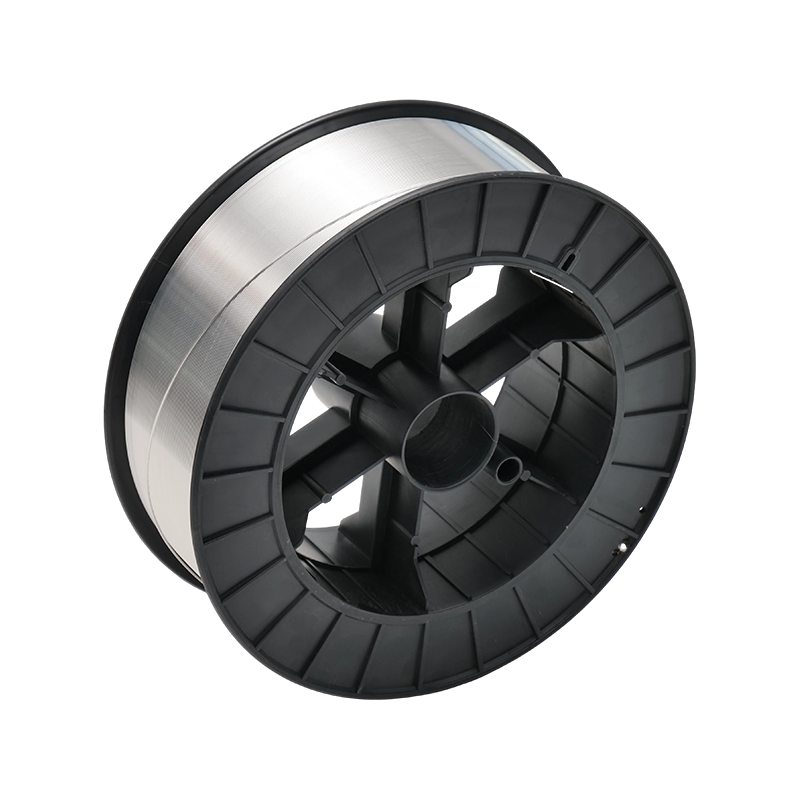
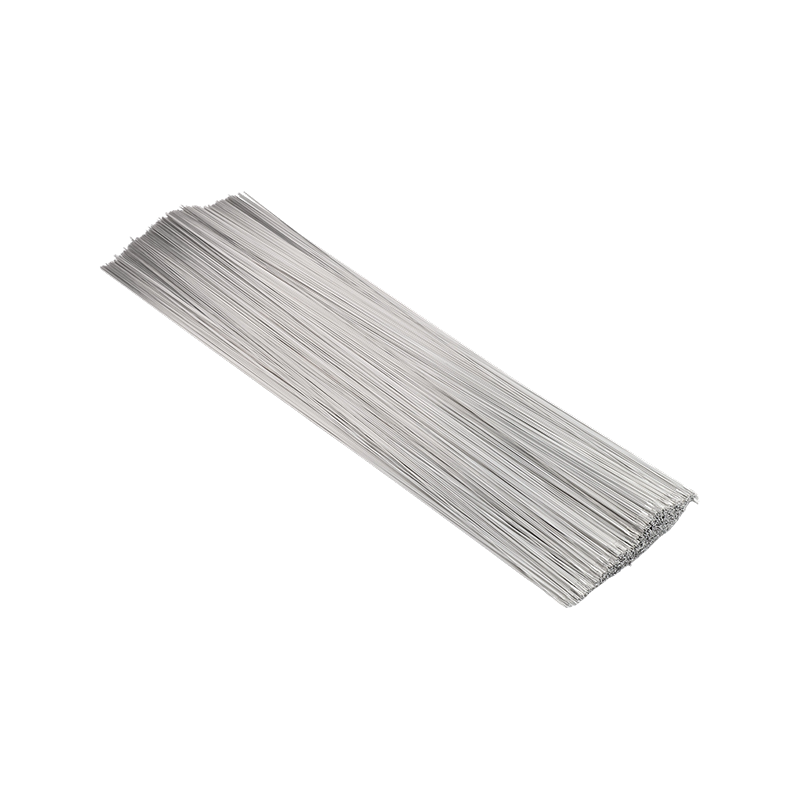
The wire is available across a wide diameter range—from thick rod stock at several millimeters down to ultrafine bonding wire below 20 µm in diameter—with each diameter range serving a distinct set of applications and requiring different drawing, annealing, and surface preparation protocols. In semiconductor packaging, high purity aluminum bonding wire connects die pads to leadframe or substrate; in research laboratories, it serves as resistance standard material, cryogenic bus bar feedthroughs, and superconducting circuit interconnects; in industrial settings, it is used as sacrificial anodes, electroplating anodes, and vacuum deposition evaporation feedstock.
The decision to specify high purity wire over standard electrical aluminum is always driven by a specific performance requirement that the impurity content of standard grades would compromise: electrical conductivity at cryogenic temperatures, bondability to aluminum metallization without intermetallic formation, anodizing uniformity, or contamination control in clean manufacturing environments.
Purity Grades and Their Impact on Wire Performance
Purity grade selection determines the wire's electrical, mechanical, and surface behavior across its service life. Each grade increment represents a tenfold reduction in total metallic impurity and a corresponding change in performance characteristics.
| Grade | Min. Purity | Max. Impurities | Typical Resistivity (20°C) | Primary Wire Use Cases |
|---|---|---|---|---|
| 4N | 99.99% | 100 ppm | 2.67–2.72 µΩ·cm | General bonding wire, anodes, evaporation feedstock, optical coating sources |
| 4N5 | 99.995% | 50 ppm | 2.655–2.670 µΩ·cm | Advanced semiconductor bonding wire, precision resistors, anodizing applications |
| 5N | 99.999% | 10 ppm | 2.650–2.655 µΩ·cm | Fine pitch bonding wire, cryogenic interconnects, reference conductivity standards |
| 6N | 99.9999% | 1 ppm | ≈2.650 µΩ·cm (theoretical limit) | Quantum computing interconnects, superconducting device leads, RRR reference material |
Resistivity differences between grades appear small at room temperature but become dramatic at cryogenic temperatures. The residual resistivity ratio (RRR)—bulk resistivity at 293 K divided by resistivity at 4.2 K—rises sharply with purity: 4N wire typically shows RRR of 1,000–3,000, while 5N wire reaches 5,000–20,000, and 6N wire can exceed 50,000. This means that at liquid helium temperature, 6N aluminum wire is more than ten times more conductive than 4N wire of the same cross-section—a critical performance difference for cryogenic wiring in dilution refrigerators, superconducting magnets, and quantum processor housings.
Wire Drawing and Annealing: How Purity Is Preserved Through Processing
High purity aluminum wire begins as cast ingot or rod produced by Hoopes electrolytic refining (for 4N–5N) or zone refining (for 5N–6N). Converting this feedstock to wire without contaminating the bulk material or the surface is a significant manufacturing challenge—the processing chain must be as contamination-controlled as the refining process itself.
Cold Drawing
Wire drawing pulls rod stock through progressively smaller tungsten carbide or diamond dies, reducing diameter in increments of 15–25% per pass. High purity aluminum's low yield strength (approximately 10–15 MPa at 4N annealed) makes it highly drawable, but its softness also means it picks up die surface contamination and work-hardens unevenly if die geometry or lubrication is not precisely controlled. Lubricants used in high purity wire drawing must be free of metal soaps, sulfur compounds, and halogenated additives that would be absorbed into the surface oxide layer and degrade bondability or introduce contamination in downstream vacuum applications.
For ultrafine wire below 50 µm diameter—used in semiconductor die bonding—drawing is performed on specialized fine wire drawing machines in clean-room-adjacent environments, with in-line diameter monitoring using laser micrometers. Diameter tolerance for bonding wire at 25 µm diameter is typically ±1 µm, requiring consistent die quality and tension control throughout drawing campaigns.
Intermediate and Final Annealing
Cold working introduces dislocations and residual stress that increase hardness and resistivity. Annealing at 200–350°C restores the fully recrystallized, low-dislocation microstructure required for soft, bondable wire. For high purity material, annealing atmosphere control is critical: furnace atmospheres containing oxygen above 10 ppm thicken the native oxide layer beyond the 2–4 nm range considered acceptable for good ball bonding. Nitrogen or high-purity argon atmosphere annealing maintains oxide thickness and preserves surface bondability.
Final anneal parameters are tuned to achieve a specific hardness target—typically 15–25 HV for bonding wire grades—because wire that is too soft deforms excessively during wire bonding tool impact (causing short loops and pad cratering), while wire that is too hard requires higher bonding force with increased risk of die damage in thin-die packages.
Surface Cleanliness and Oxide Management
The native aluminum oxide (Al₂O₃) on high purity wire is unavoidable—aluminum oxidizes within milliseconds of exposure to any oxygen-containing atmosphere. The concern is not the presence of oxide but its uniformity, thickness, and freedom from organic or metallic contamination. Wire intended for vacuum evaporation must be free of drawing lubricant residues that outgas under high vacuum and contaminate the deposition chamber. Wire for bonding applications must have an oxide thin enough to break through during ultrasonic bonding without requiring excessive energy that would damage the underlying die metallization.
Aluminum Bonding Wire in Semiconductor Packaging
Aluminum bonding wire is the dominant interconnect material in power semiconductor packaging, where it connects die bond pads to package leads or bus bars in devices such as IGBTs, MOSFETs, power diodes, and thyristors. Gold wire dominates fine-pitch logic and memory packaging below 50 µm, but aluminum wire's lower cost, higher current-carrying capacity per unit cross-section in thick-wire formats, and compatibility with aluminum die metallization make it the preferred choice in power applications from 100 µm to over 500 µm diameter.
Why High Purity Aluminum for Bonding Wire
Standard aluminum alloy wire (Al-1%Si, Al-0.5%Mg) was historically used in bonding applications, but the transition to high purity aluminum wire at 4N and above is driven by three interconnected reliability factors:
- Reduced intermetallic formation: Silicon and magnesium in alloyed wire form brittle intermetallic compounds (Al₁₂Mg₁₇, Al-Si eutectic phases) at the bond interface during thermal cycling. High purity wire minimizes these phases, improving thermomechanical fatigue life in power cycling tests by 30–50% compared to alloyed wire in published reliability studies.
- Better ductility and elongation: 4N and 5N aluminum wire achieves elongation at break of 30–45% (versus 15–25% for alloyed wire), enabling the wire to accommodate thermal expansion mismatch between die and substrate during thousands of power cycles without fatigue cracking at the heel of the bond.
- Lower contact resistance: Impurities at grain boundaries and in solid solution increase the electrical resistivity of the wire and the bond interface, increasing I²R heating under load. In power modules operating at hundreds of amperes, this difference is thermally significant and affects overall system efficiency.
Bonding Wire Diameter Selection
Wire diameter in power bonding is determined by the current carrying requirement and the physical geometry of the bond pad. As a working guideline, aluminum bonding wire carries approximately 200–300 mA per µm of diameter in continuous operation at junction temperatures up to 125°C. A 300 µm diameter wire therefore handles approximately 60–90 A. Multiple parallel wires are used for higher current paths, with wire spacing designed to distribute current uniformly across bond pads and prevent hot spot formation at individual bond sites.
High Purity Aluminum Wire for Cryogenic and Quantum Applications
At temperatures below 4 K, aluminum transitions to a superconducting state with zero DC resistance. This property, combined with the metal's high RRR (and thus very low normal-state resistance above Tc), makes high purity aluminum wire uniquely useful in cryogenic systems.
Dilution Refrigerator Wiring
Dilution refrigerators used in quantum computing research and commercial quantum processor operation cool their mixing chamber to 10–20 mK. Every electrical connection between room temperature and the cold stage conducts heat via electron thermal conductivity—a process that competes directly with the refrigerator's cooling power. 5N and 6N aluminum wire, with RRR values above 5,000, carries substantially less thermal load per unit electrical conductance than copper or silver, making it the preferred material for instrumentation wiring on intermediate temperature stages (still plate at ~700 mK, cold plate at ~100 mK) where heat load budgets are tight.
Superconducting Circuit Interconnects
In superconducting quantum processors, aluminum wire bonding connects chips within a module and connects the quantum chip to its surrounding circuitry. The same 4N–5N aluminum wedge bonding wire used in power semiconductor packaging is adapted for this purpose, but the purity and handling requirements are more demanding: magnetic impurities above 0.5 ppm total (Fe + Ni + Co + Mn) introduce quasiparticle poisoning mechanisms that degrade qubit coherence times (T₁). Quantum hardware manufacturers therefore specify magnetic impurity budgets on their bonding wire rather than relying solely on the N-grade designation.
RRR Reference Standards
Certified high purity aluminum wire with known RRR values is used as a reference thermometry material in cryogenic laboratories. Because the resistance of high purity aluminum wire below 4 K is a reproducible function of temperature determined by phonon scattering (impurity scattering is frozen out below ~10 K), it serves as a practical temperature indicator in the 1–10 K range where conventional thermometers are expensive or require complex calibration infrastructure.
Evaporation and Sputtering Feedstock Wire
High purity aluminum wire in diameters of 1–6 mm is widely used as evaporation source feedstock for thermal and e-beam physical vapor deposition (PVD) systems. Wire format offers several process advantages over pellets or slugs: it feeds directly into continuous evaporation boats in automated coating systems, produces a consistent melt pool geometry, and minimizes surface-to-volume ratio (reducing pre-loaded oxide and adsorbed gas relative to pellets of equivalent mass).
Purity requirements for evaporation wire vary by the coating application. Decorative and optical coatings on consumer products use 4N wire. Front-surface telescope mirror coatings, UV optical components, and solar cell back-contact metallization typically specify 4N5 to 5N. Research-grade depositions for superconducting resonators, quantum devices, and precision optical standards require 5N to 5N5.
Wire surface condition for evaporation use is as critical as bulk purity. Drawing lubricant residues and surface oxide layers thicker than approximately 5 nm outgas during the initial melt phase, causing pressure spikes in the deposition chamber that interrupt the deposition process and incorporate oxygen into early-deposited film. Wire supplied for vacuum use should be solvent-cleaned post-drawing and packaged under dry nitrogen to prevent further oxide growth before use.
Sacrificial Anode and Electroplating Anode Wire
High purity aluminum wire in the 4N range is used as sacrificial anodes in electrochemical applications where controlled, uniform dissolution is required. Impurities in aluminum anodes cause non-uniform dissolution—iron and silicon inclusions are cathodic relative to the aluminum matrix, create local galvanic cells, and produce passive surface films that reduce anode efficiency. High purity aluminum anodes dissolve more uniformly, with higher electrochemical efficiency (current yield approaching theoretical values), making them preferable in precision electrodeposition and electropolishing processes.
In anodizing electrolytes used for hard anodizing or precision porous anodic alumina (PAA) template fabrication—where the pore regularity and pore diameter uniformity of the anodic oxide layer directly depend on aluminum grain structure and impurity content—4N aluminum wire or sheet is the standard starting material. Lower purity aluminum produces anodic oxide with higher defect density, irregular pore morphology, and reduced optical transparency, all of which degrade PAA performance in filtration, photonic crystal, and nanotechnology template applications.
Mechanical Properties and Handling Considerations
High purity aluminum wire is significantly softer than commercial aluminum alloys. The absence of solid solution strengthening and precipitate hardening mechanisms that characterize structural aluminum alloys means that 4N–6N wire handles differently from any standard aluminum product and requires adapted handling, storage, and installation practices.
- Tensile strength: Fully annealed 4N aluminum wire at 1 mm diameter has a tensile strength of approximately 40–60 MPa, compared to 90–130 MPa for 1350 electrical-grade aluminum and 150–300 MPa for structural alloys. Work-hardened (as-drawn) wire is stronger but less ductile; anneal state must be specified to match the application.
- Elongation: Annealed 4N wire achieves 30–45% elongation at break. This high ductility enables wire bonding loops, spring contacts, and flexible connections that would fracture with less pure material, but also means the wire deforms permanently under very light mechanical loads. Coiled wire must not be stored under tension or radial pressure that would cause permanent deformation.
- Work hardening rate: High purity aluminum work-hardens slowly—its strain hardening exponent is low compared to alloys. This is advantageous in wire drawing (requiring fewer annealing passes) but means that kinks or permanent bends are difficult to remove once introduced.
- Packaging and storage: Wire for clean or vacuum applications should be packaged in double-sealed polyethylene under nitrogen or argon, stored at stable temperature and low humidity, and handled with clean cotton or nitrile gloves. Fingerprints introduce sodium, chlorine, and organic residues that contaminate the surface and are detectable even after solvent cleaning.
How to Specify High Purity Aluminum Wire
A complete specification for high purity aluminum wire covers purity, geometry, temper, surface condition, and documentation requirements. Leaving any of these undefined invites supplier discretion that may not align with application requirements.
- Purity grade and element-level limits: State the minimum N-grade (e.g., 5N) and any critical element-specific maximums (e.g., Fe ≤ 0.5 ppm, Ni ≤ 0.2 ppm, Cu ≤ 1 ppm). For quantum and cryogenic applications, magnetic impurity total is the controlling specification; state it explicitly.
- Diameter and tolerance: Specify nominal diameter in mm or µm and acceptable tolerance. For bonding wire, ±1 µm is standard at fine diameters; for evaporation feedstock and anode wire, ±50 µm on a 2 mm wire is typical.
- Temper (anneal state): "O" (fully annealed/soft) for bonding, cryogenic, and evaporation uses. "H12" or "H14" (lightly work-hardened) for applications requiring slightly higher tensile strength. Specify tensile strength or hardness range if critical.
- Surface condition: Specify whether lubricant residues are acceptable, whether post-draw cleaning is required, and whether any surface oxide thickness limit applies. For vacuum evaporation wire, explicitly state "solvent-cleaned, no lubricant residue" or equivalent.
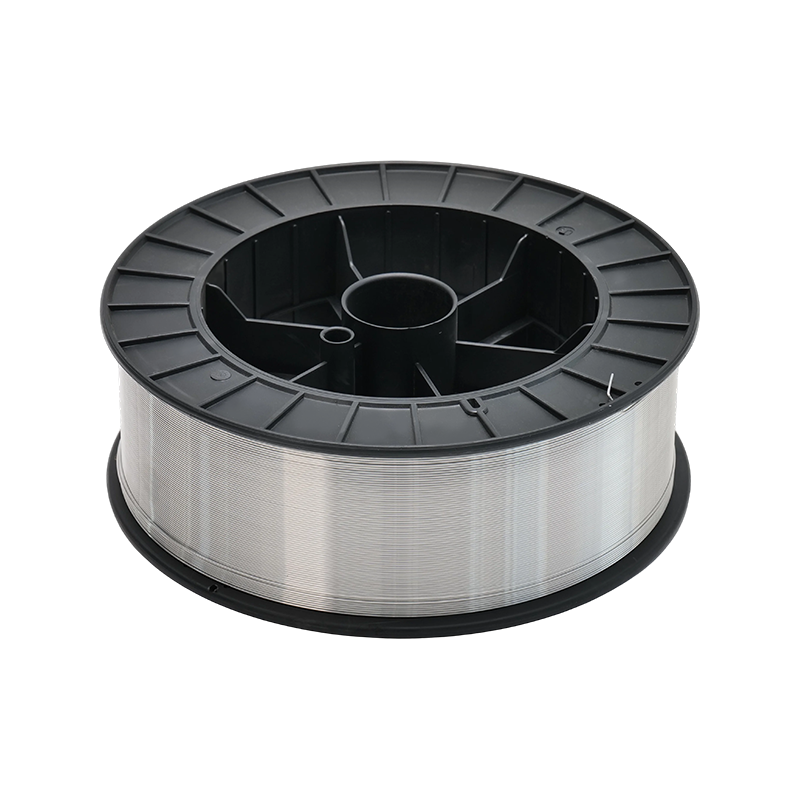
- Spool format and quantity: State spool weight, maximum outer diameter, and core diameter for automated dispensing. Bonding wire is typically supplied on 250 g to 2 kg spools; thick evaporation wire on 500 g to 5 kg spools.
- Documentation: Require a GDMS-based COA (not ICP-OES alone for 5N and above), with detection limits explicitly stated for each critical element. Request lot traceability to the refining campaign. For cryogenic applications, RRR measurement data from a representative sample of the lot adds significant quality assurance value.
- Packaging: Specify nitrogen or argon atmosphere inner packaging, moisture barrier outer bag, and any clean-room cleanliness class required for the packaging environment. These requirements are especially important for bonding wire and vacuum evaporation feedstock.
Engaging a supplier's technical team at the specification stage—rather than purchasing against a generic grade designation—consistently results in better lot-to-lot consistency and fewer incoming inspection failures. Most reputable high purity metal suppliers can accommodate custom drawing diameters, specific annealing profiles, and supplemental analytical testing beyond their standard COA panel when these are discussed before the order is placed.