

 English
 中文简体
中文简体 русский
 Deutsch
Content
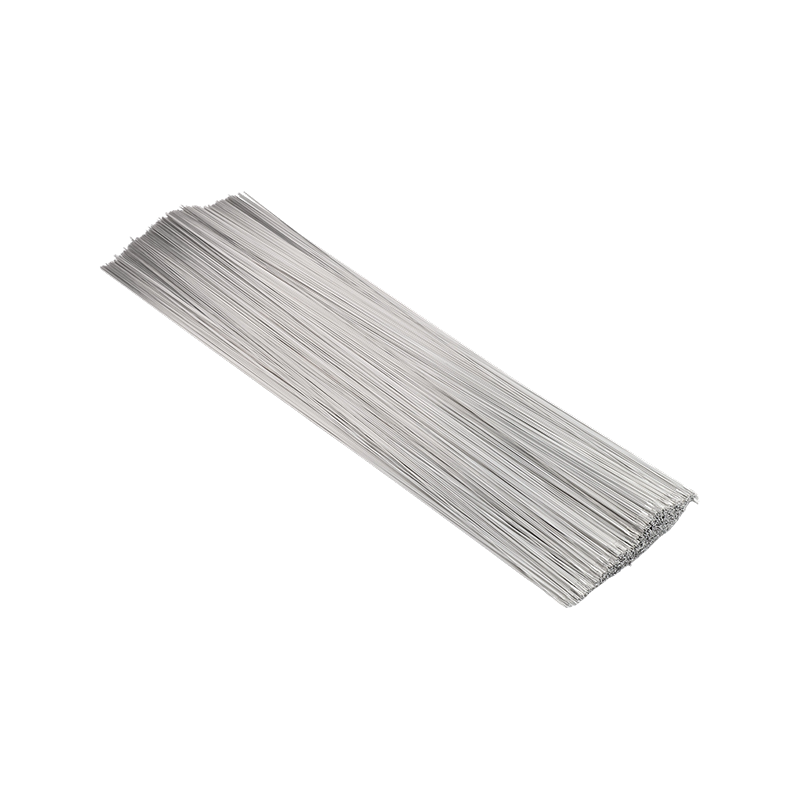
What Is Aluminum Rivet Wire
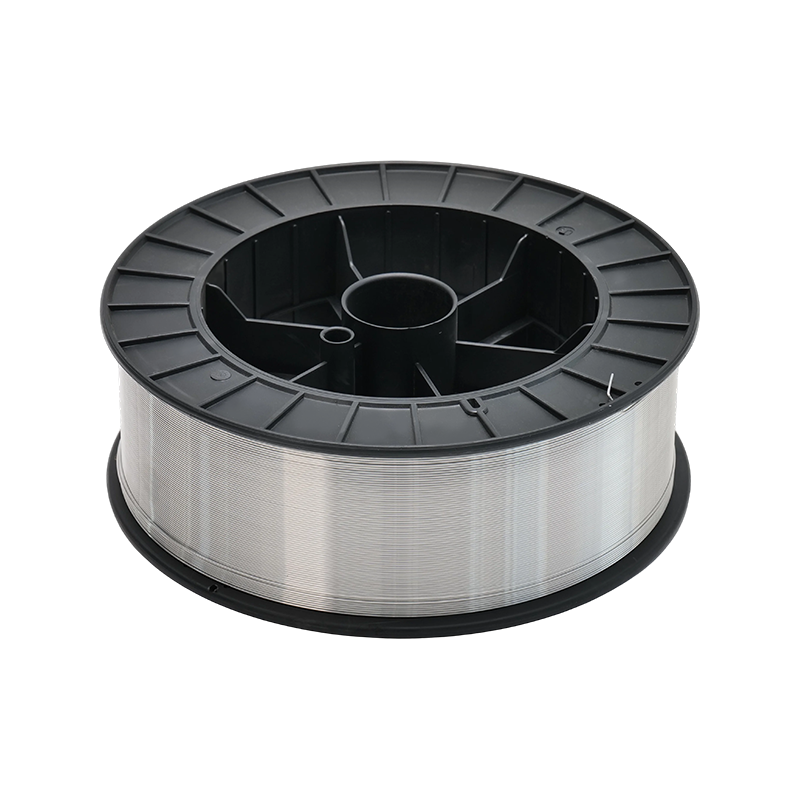
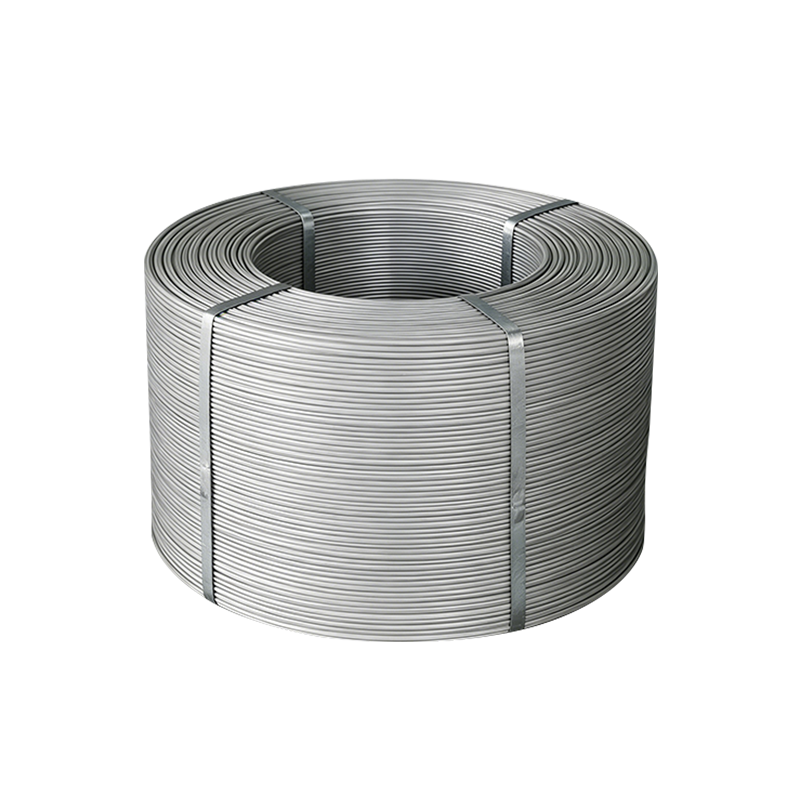
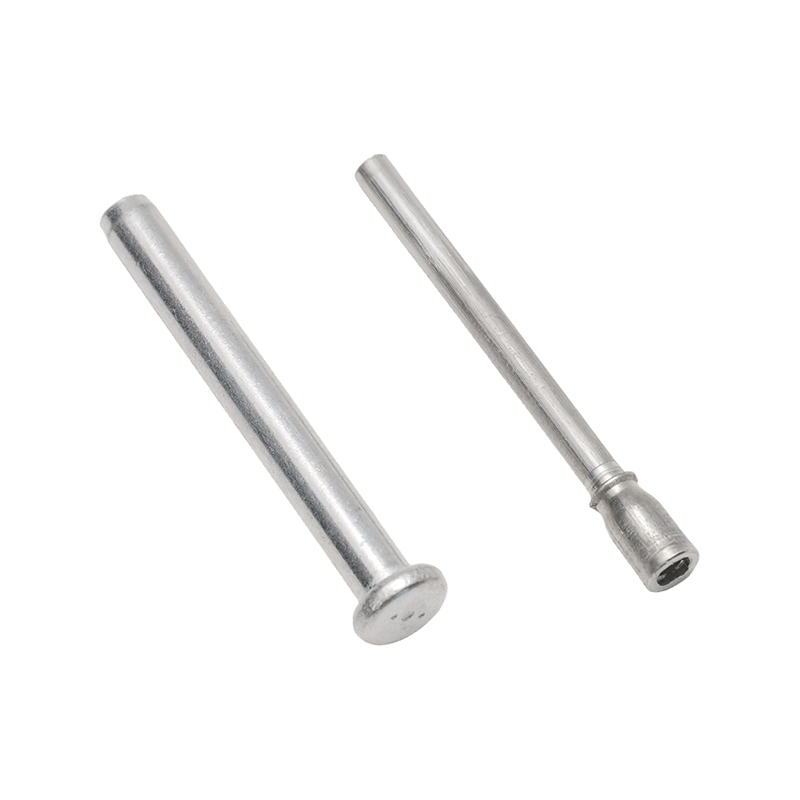
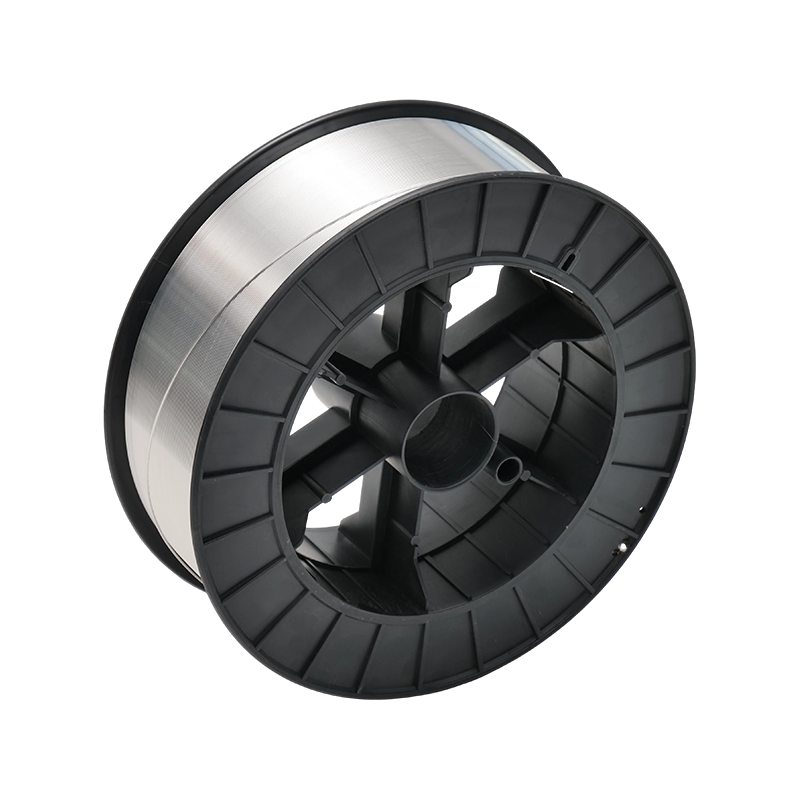
Aluminum rivet wire is a cold-drawn wire product manufactured specifically for the production of solid and semi-tubular rivets used in mechanical fastening. Unlike steel rivets, aluminum rivet wire offers a favorable combination of low density, corrosion resistance, and sufficient shear strength, making it appropriate for applications where weight reduction and chemical stability are priorities. The wire is drawn to precise diameters and supplied in coil or straightened cut-length form, then cold-headed by rivet manufacturers into finished fastener geometry.
The term "rivet wire" distinguishes this product from general aluminum wire used in electrical or structural contexts. Rivet wire is produced to tighter dimensional tolerances — typically ±0.02 mm on diameter — and must exhibit consistent ductility along its entire length to allow cold heading without cracking or splitting during high-speed forming. Surface quality is equally critical: pits, seams, or longitudinal scratches can propagate into rivet heads during cold-forming and compromise joint integrity.
Common Alloy Grades and Their Characteristics
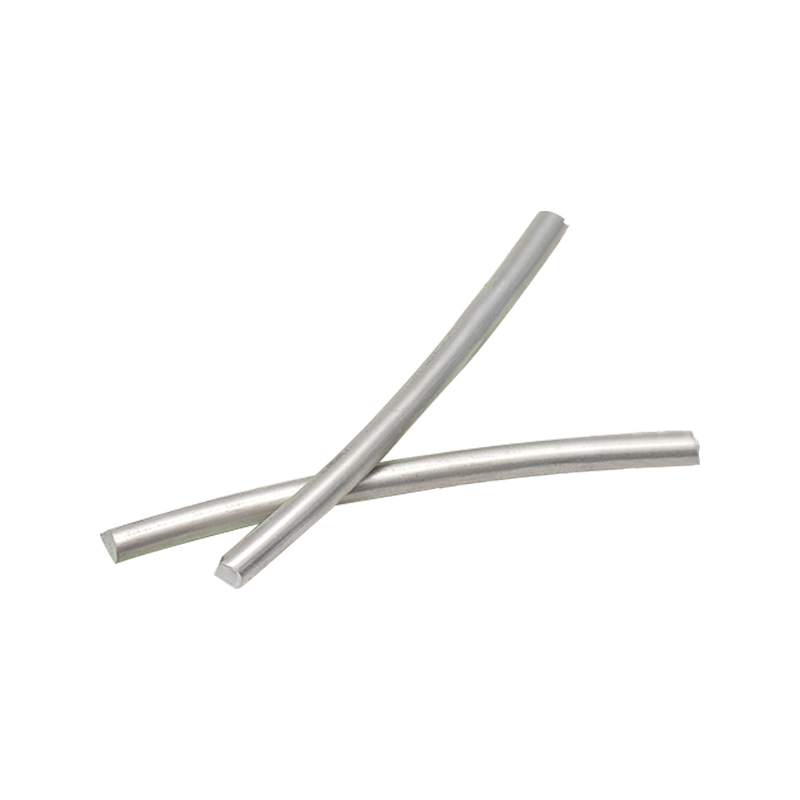
Alloy selection for aluminum rivet wire directly governs mechanical performance, corrosion behavior, and compatibility with the parent materials being joined. Several standardized aluminum alloys dominate rivet wire production.
| Alloy | Series | Tensile Strength (MPa) | Key Characteristic | Typical Use |
|---|---|---|---|---|
| 1100 | 1xxx (Pure Al) | 75–110 | Excellent formability, high corrosion resistance | Non-structural assemblies, food equipment |
| 3003 | 3xxx (Al-Mn) | 110–150 | Better strength than 1100, still very soft | HVAC, general sheet metal fabrication |
| 5052 | 5xxx (Al-Mg) | 175–260 | Good fatigue strength, marine-grade corrosion resistance | Marine structures, transport bodywork |
| 5056 | 5xxx (Al-Mg) | 260–310 | Higher strength, excellent cold-heading workability | Aerospace, military hardware, electronics |
| 6061 | 6xxx (Al-Mg-Si) | 124–310 (T4–T6) | Heat-treatable, versatile structural alloy | Structural components, automotive frames |
5056 alloy is the dominant choice for blind rivet wire intended for high-strength structural fastening, particularly in aerospace subassemblies where shear and tensile load requirements are well-defined. The 1100 and 3003 grades, while lower in strength, are preferred when the riveted joint must remain highly formable after installation — such as thin-panel assemblies that flex under load.
Manufacturing Process: From Rod to Finished Wire
Aluminum rivet wire production begins with cast aluminum rod — typically 9.5 mm or 12 mm diameter — that undergoes a series of cold-drawing passes through progressively smaller tungsten carbide dies. Each drawing pass reduces the cross-sectional area by roughly 15–25%, with intermediate annealing cycles applied when total reduction exceeds the material's work-hardening limit. Annealing is performed in controlled-atmosphere furnaces to prevent surface oxidation while restoring ductility for further drawing.
The final drawing pass determines the wire's diameter and surface finish. Lubricants used during drawing must be fully removable, as residue on wire surfaces can cause adhesion failures in the rivet head or interfere with anodizing or coating processes downstream. After drawing, wire is either coiled onto large spools (typically 100–500 kg coils for industrial rivet makers) or cut and straightened to fixed lengths for manual or semi-automated cold heading.
Key quality checks at the production stage include:
- Diameter measurement at multiple points along the coil using laser micrometers
- Tensile and elongation testing per lot to verify mechanical properties fall within alloy specification
- Surface inspection for seams, laps, or pits that would cause cold-heading splits
- Eddy current testing for sub-surface defects on critical aerospace-grade wire
Industrial Applications Across Sectors
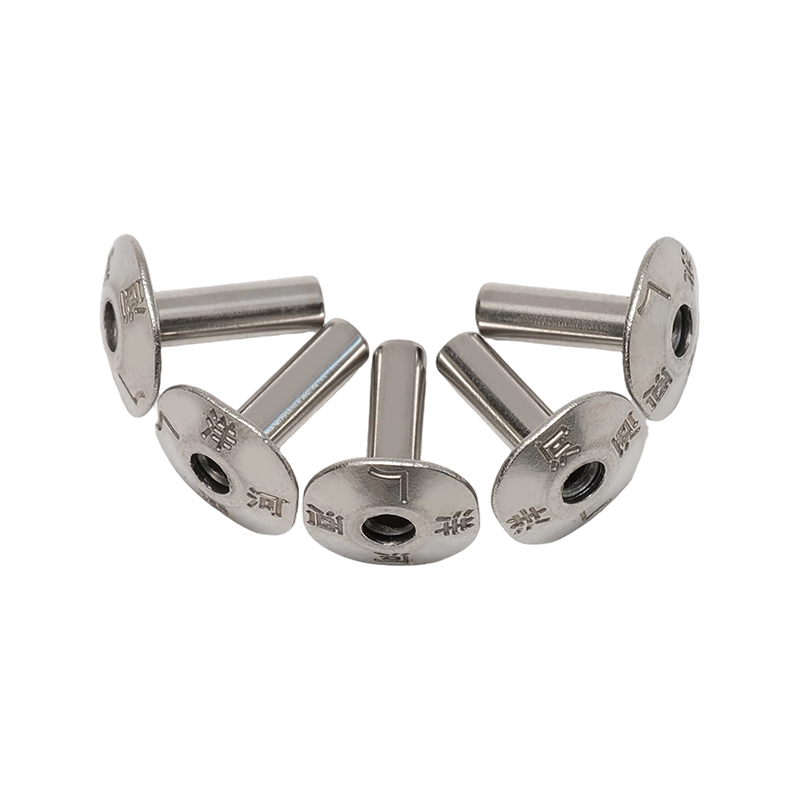
Aluminum rivet wire feeds into fastener production across a broad range of industries. The combination of light weight and corrosion resistance means aluminum rivets are frequently specified over steel in environments where galvanic isolation or weight budget matters.
Aerospace and Defense
Aircraft skin panels, control surfaces, and interior structural brackets are fastened with millions of aluminum rivets per airframe. Wire grades such as 2117-T4 and 5056 are specified by major aviation standards including MIL-R-5674 and NAS 1398. The 2117 alloy ("AD" rivet) is particularly common because it age-hardens slowly at room temperature, giving assembly crews a wide installation window before the rivet reaches full hardness.
Automotive and Commercial Vehicles
Body panel attachments, heat shield mounting, and trim clips in modern vehicles increasingly use aluminum blind rivets sourced from 5xxx-series rivet wire. The shift from welded steel to riveted aluminum multi-material structures — accelerated by vehicle lightweighting targets — has grown demand for large-diameter rivet wire (4–6 mm) capable of producing high-clamp-force fasteners in thick stack-ups of mixed materials.
Electronics and Appliance Manufacturing
Chassis assembly, transformer lamination stacking, and enclosure construction use smaller-diameter aluminum rivet wire — often 2–3 mm — processed into solid or semi-tubular rivets that can be set by automated insertion equipment at high cycle rates. The non-magnetic property of aluminum is an additional advantage in electromagnetic applications where steel fasteners would create interference.
Construction and Infrastructure
Aluminum cladding panels, curtain wall systems, and roofing attachments rely on aluminum rivets for weatherproof fastening without rust staining on visible surfaces. In coastal or industrial environments where salt spray or chemical exposure is continuous, 5052 and 5056 alloy rivets outperform unprotected carbon steel by decades without maintenance.
Selecting the Right Aluminum Rivet Wire: Key Parameters
Specifying aluminum rivet wire requires decisions across several interdependent variables. Matching wire specification to the end-use rivet design and application environment is essential to avoiding field failures.
- Diameter and tolerance class: Standard rivet wire diameters range from 1.5 mm to 8 mm. Tolerance classes (e.g., h8, h9 per ISO) determine how precisely the wire must be sized for close-tolerance cold-heading dies.
- Temper condition: Wire is typically supplied in the O (fully annealed) or H12/H14 temper. Annealed wire cold-heads most readily; harder tempers may be used where the rivet body requires higher shear strength before setting.
- Galvanic compatibility: When riveting dissimilar metals (e.g., aluminum sheet to carbon fiber or magnesium), rivet alloy must be evaluated for galvanic potential relative to both substrates to prevent accelerated corrosion at the joint.
- Surface condition: Wire may be supplied bright-drawn, lightly oiled, or with a thin anodic oxide layer. Surface condition affects cold-heading lubrication requirements and downstream plating adhesion.
- Certification requirements: Aerospace procurement typically requires mill test reports, chemical analysis certificates, and mechanical test data traceable to specific cast lots. Commercial-grade rivet wire may be supplied with reduced documentation.
Procurement engineers should request samples for trial cold-heading runs before committing to volume orders, particularly when switching between wire suppliers or alloy sources. Subtle differences in trace element composition — even within specification limits — can affect heading behavior at high production speeds.