

 English
 中文简体
中文简体 русский
 Deutsch
Content
Aluminum Welding Wire: A Quick Overview
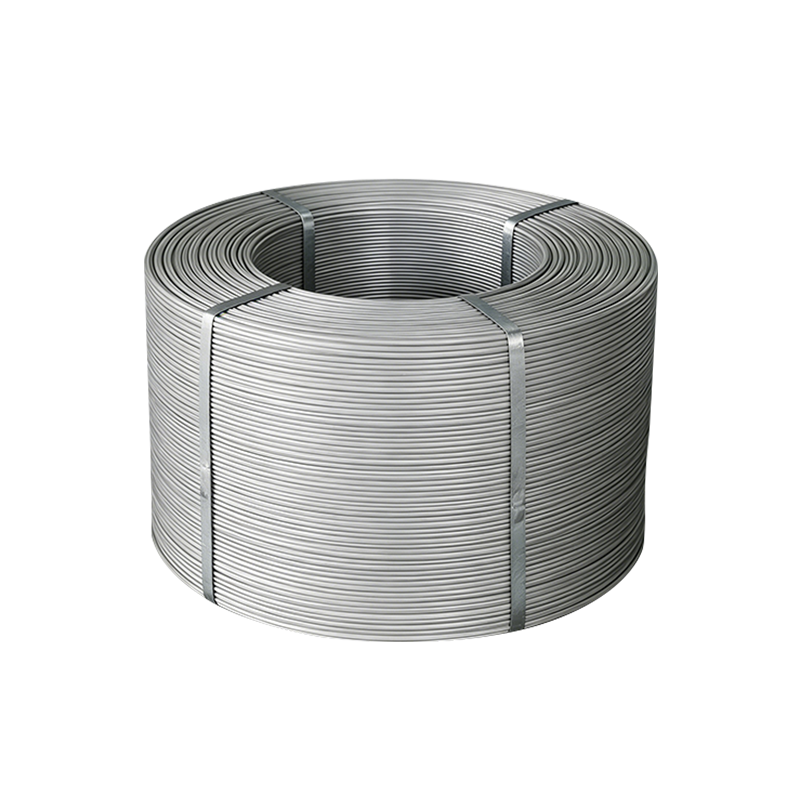
Aluminum welding wire is the filler metal used to join aluminum components in MIG and TIG welding, formulated specifically to account for aluminum's high thermal conductivity, low melting point, and persistent surface oxide layer. Choosing the right wire isn't a single decision but a combination of factors — alloy family, wire form, diameter, and welding process — that together determine how well a weld performs both immediately and over its service life.
The sections below break down each of these decision points, from broad alloy classification down to the specific choice between the two most commonly stocked wires, ER4043 and ER5356.
Aluminum filler wire is classified into alloy series based on its primary alloying element, and each series brings a distinct set of mechanical and chemical properties to the finished weld:
| Series | Primary Alloying Element | General Characteristic |
|---|---|---|
| 1xxx | Pure aluminum (99%+) | Low strength, excellent corrosion resistance |
| 4xxx | Silicon | Good fluidity, strong crack resistance |
| 5xxx | Magnesium | Higher strength, good corrosion resistance |
Matching filler alloy to base metal chemistry matters more in aluminum welding than in many other metals, since an incompatible pairing can produce a weld that's prone to cracking or has noticeably weaker mechanical properties than either the base metal or filler alone would suggest.
Types of Aluminum Welding Wire
Beyond alloy chemistry, aluminum welding wire is also categorized by its physical form, which ties directly to which welding process it's used with:
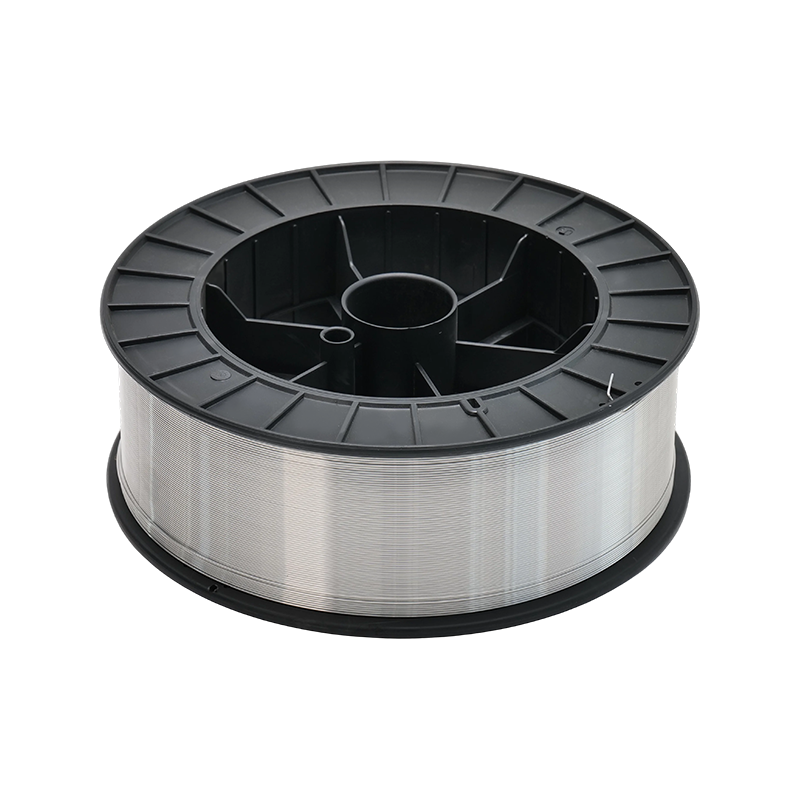
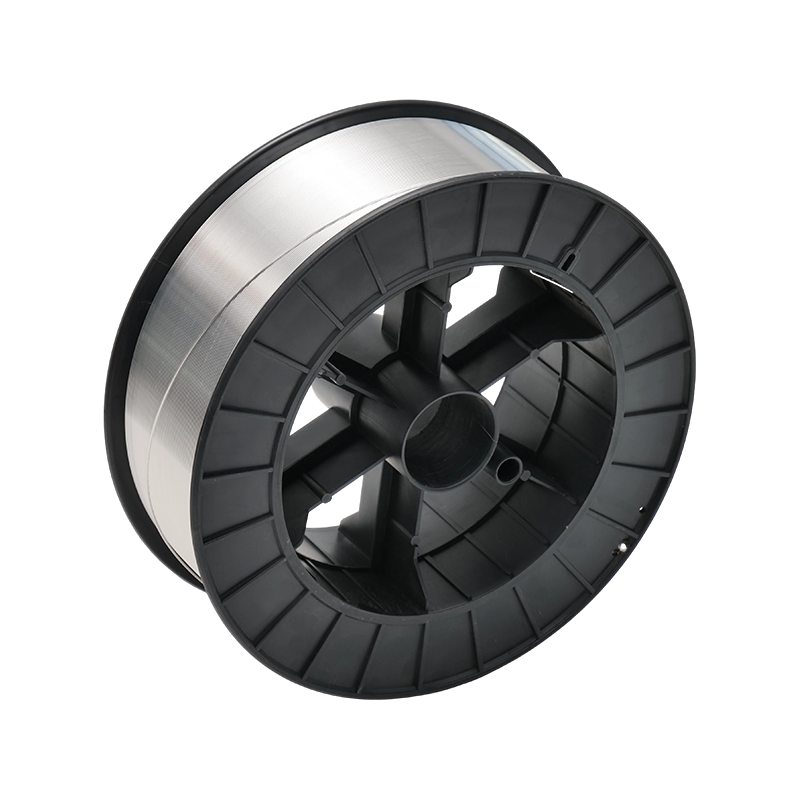
- Spooled MIG wire — continuous wire wound on spools, machine-fed at a constant rate through a MIG welding gun.
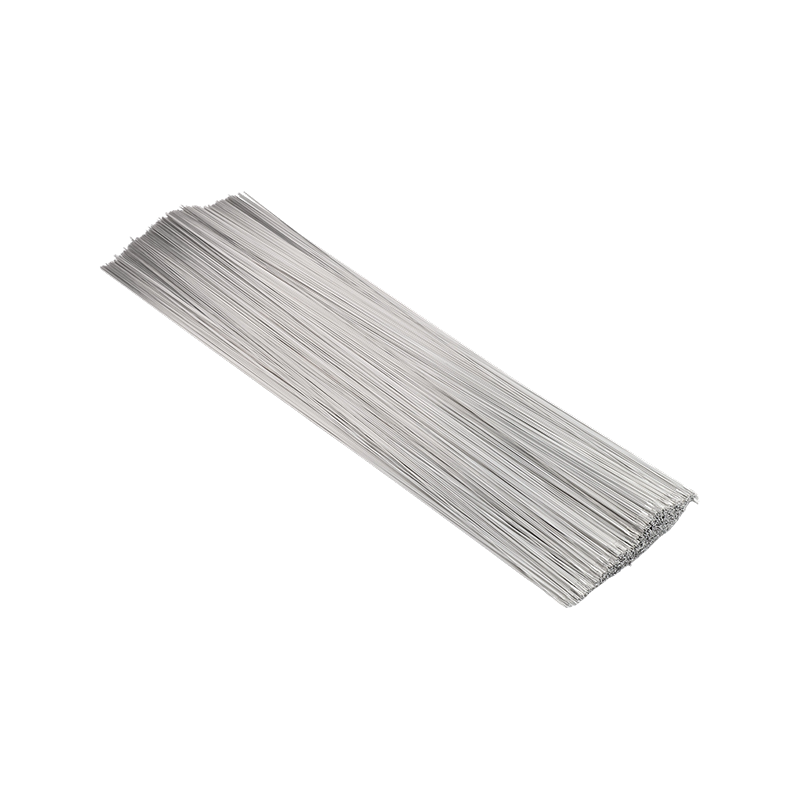
- Straight-cut TIG rod — pre-cut lengths of rod, manually fed into the weld pool during TIG welding.
- Layer-wound vs. random-wound spools — layer-wound spools feed more consistently at high speed, making them preferable for automated or high-volume MIG welding operations.
Aluminum Filler Wire and Filler Metal Selection
Selecting the correct filler metal is a structured process rather than a single lookup, and generally follows this sequence:
Identify the base metal alloy from mill certification, spec sheet, or supplier documentation — this is the single most important input to the decision.
Consult a filler metal compatibility chart published by a filler wire manufacturer, which maps common base alloy combinations to recommended filler choices.
Weigh strength, corrosion resistance, and finish requirements against the compatible options identified, since more than one filler choice is often technically viable.
Confirm wire form and diameter match your welding process (MIG spool vs. TIG rod) and the base material thickness.
MIG Aluminum Welding Wire
MIG (GMAW) welding aluminum has specific equipment demands that don't apply to steel MIG welding, largely because aluminum wire is soft and prone to deforming under the same feed pressure that works fine for steel. Reliable MIG aluminum welding depends on:
- U-groove drive rollers instead of the V-groove rollers used for steel, which grip aluminum wire without crushing or deforming it.
- A Teflon or nylon-lined gun liner, since aluminum wire tends to gall inside a standard steel-liner setup designed for steel wire.
- Spray or pulsed-spray transfer mode, which generally produces better results on aluminum than the short-circuit transfer commonly used for steel.
TIG Aluminum Welding Rod
TIG (GTAW) welding uses manually fed straight rod rather than spooled wire, and it requires AC (alternating current) power rather than the DC typically used for steel TIG welding. The AC waveform's cleaning cycle actively breaks down aluminum's oxide layer during welding, which is essential since that oxide layer melts at a much higher temperature than the aluminum underneath it and would otherwise prevent proper fusion. Rod diameter selection for TIG work should track base metal thickness and machine amperage range closely — oversized rod chills the weld pool, while undersized rod overheats and can burn back into the tungsten electrode if not fed carefully.
ER4043 vs. ER5356: Choosing Between the Two Most Common Wires
These two alloys cover the majority of general aluminum welding work, and understanding their trade-offs resolves most day-to-day filler selection questions:
| Property | ER4043 | ER5356 |
|---|---|---|
| Alloy base | Aluminum-silicon | Aluminum-magnesium |
| Weld pool fluidity | Excellent, easy to control | Good, slightly stiffer puddle |
| Tensile strength | Lower | Higher |
| Corrosion resistance (marine) | Fair | Good |
| Anodized color match | Poor, grayish tint | Better match |
| Typical use | General fabrication, cast aluminum repair | Structural, marine, high-strength work |
As a general starting point: reach for ER4043 for general-purpose fabrication and cast aluminum work, and step up to ER5356 whenever the application involves structural loads, marine/saltwater exposure, or a base metal from the 5xxx alloy family.
Aluminum Welding Materials and Applications by Industry
Transportation
Trailer and truck bodies, rail cars, automotive structural components
Marine
Boat hulls, docks, and marine structural fabrication
Architectural & Structural
Railings, framing, and general aluminum construction fabrication
General Fabrication & Repair
Custom metalwork, cast aluminum repair, enclosures
Across all of these applications, the underlying selection logic stays consistent — match filler alloy to base metal, choose wire form based on process, and size the wire to the material thickness — even though the specific alloy and diameter chosen will vary based on the industry's typical strength, corrosion, and finish requirements.
Meta title: Aluminum Welding Wire: Alloys, Types, and Filler Metal Selection Meta description: Learn how to choose aluminum welding wire, compare ER4043 and ER5356, and find the right filler metal for MIG and TIG aluminum welding.