

 English
 中文简体
中文简体 русский
 Deutsch
Content
- 1 Aluminum Welding Wire Selection Guide
- 2 4043 vs. 5356: A Quick Decision Framework
- 3 Choosing Aluminum Welding Wire for MIG Welding
- 4 Aluminum Welding Wire Diameter Selection
- 5 Aluminum Filler Wire for 6061 Aluminum
- 6 Welding Wire for Aluminum Alloys: Compatibility Overview
- 7 Aluminum Welding Defects and Solutions
- 8 Aluminum Welding Wire Storage Requirements
- 9 Aluminum Wire Feed Problems
- 10 Factors Affecting Aluminum Weld Quality
Aluminum Welding Wire Selection Guide
Rather than treating filler wire selection as a single lookup, it helps to work through it as a short checklist — each question narrows the field until only one or two reasonable choices remain:
| Question | What It Narrows Down |
|---|---|
| What is the base alloy? | Compatible filler alloy family |
| Will the weld carry structural load? | Whether higher-strength 5xxx filler is warranted |
| Is the part going to be anodized? | Whether color-match performance matters |
| What's the material thickness? | Wire/rod diameter |
| MIG or TIG process? | Spooled wire vs. straight rod |
4043 vs. 5356: A Quick Decision Framework
When the compatibility chart allows either wire, three practical questions usually settle the choice:
- Does the part need maximum crack resistance on a difficult joint? — favor 4043 for its excellent puddle fluidity and forgiving nature on tricky fit-ups.
- Does the part need maximum strength or saltwater resistance? — favor 5356 for structural, marine, or high-stress applications.
- Will the finished part be anodized for appearance? — favor 5356 for a more consistent color match against most 5xxx and 6xxx base alloys after anodizing.
When none of these factors clearly points one way, 4043 is generally the safer default for general fabrication given its wider margin for operator error and lower sensitivity to joint fit-up variation.
Choosing Aluminum Welding Wire for MIG Welding
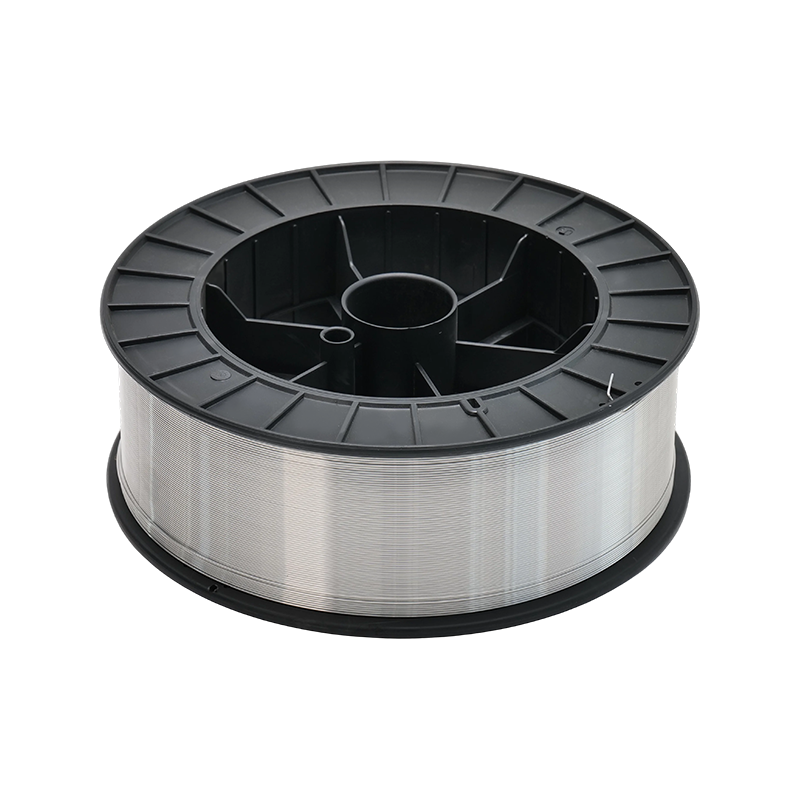
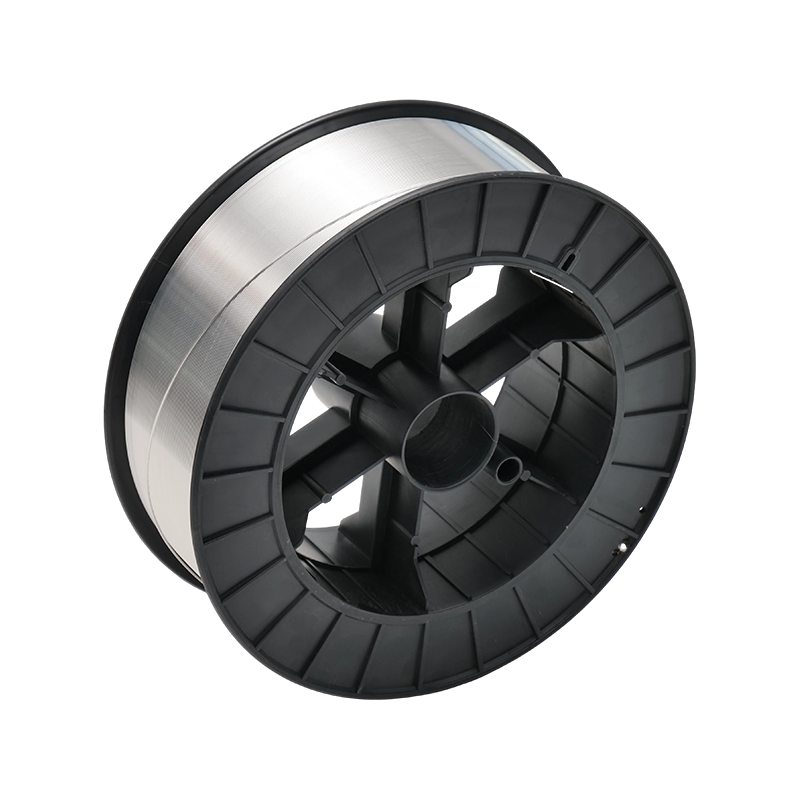
For MIG-specific wire selection, beyond alloy and diameter, it's worth considering how the wire's characteristics interact with your specific machine setup:
- Spool size and packaging — larger spools reduce changeover frequency on high-volume production runs but require compatible spool holders and feed system capacity.
- Wire tolerance and roundness — tighter manufacturing tolerances feed more consistently through the gun liner, reducing arc instability caused by minor diameter variation.
- Surface cleanliness of the wire itself — wire manufactured and packaged to reduce surface oxide and residue feeds and welds more reliably, particularly at higher wire feed speeds.
Aluminum Welding Wire Diameter Selection
Diameter selection balances two competing factors: thinner wire is easier to control on thin material but limits deposition rate, while thicker wire increases productivity on thick sections but risks burn-through on thin ones. As a practical guideline:
- Material under 1/8" (3mm): 0.030"-0.035" wire generally gives the best balance of control and speed.
- Material 1/8"-1/4" (3-6mm): 0.035"-3/64" wire suits general fabrication thicknesses well.
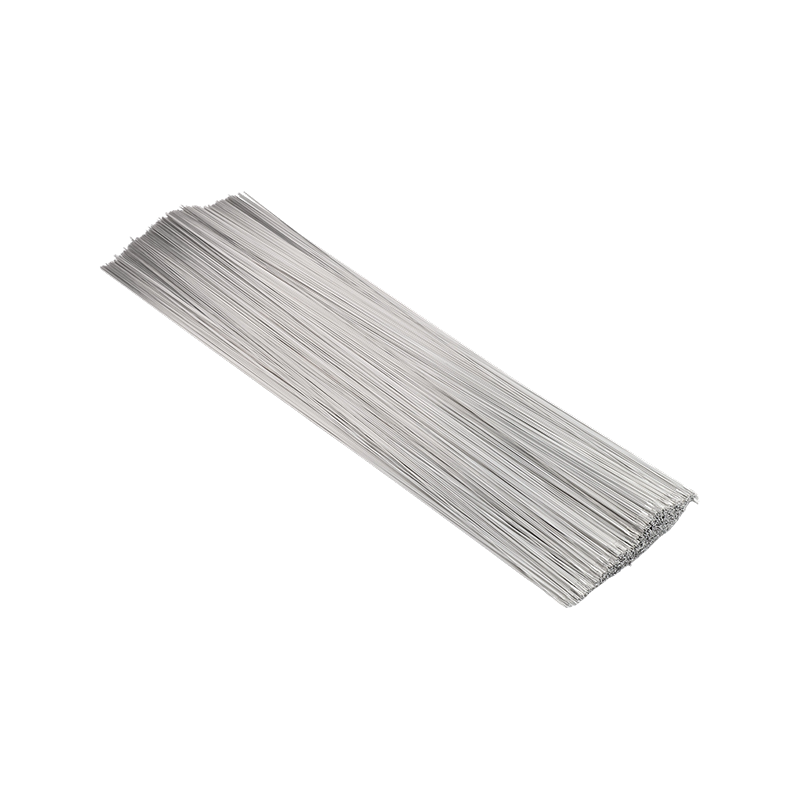
- Material over 1/4" (6mm): 3/64" and larger wire, or TIG rod in the 1/16"-3/32" range, supports the higher deposition needed for thicker sections.
When in doubt between two sizes, sizing slightly smaller generally gives more operator control, at the cost of needing more passes to complete thicker joints.
Aluminum Filler Wire for 6061 Aluminum
6061 is one of the most widely used structural aluminum alloys, and it presents a specific filler selection nuance: while ER4043 is a very common choice for general 6061 fabrication due to its excellent weldability and crack resistance, ER5356 is often preferred when the joint needs higher strength or when the part will be anodized, since 5356 typically produces a closer color match against 6061's natural anodized finish than 4043 does. Neither choice is "wrong" for 6061 — the decision comes down to whether crack resistance and ease of welding (favoring 4043) or strength and finish consistency (favoring 5356) matters more for the specific part.
Welding Wire for Aluminum Alloys: Compatibility Overview
| Base Alloy | Common Recommended Filler |
|---|---|
| 3003 / 3004 | ER4043 or ER1100 |
| 5052 | ER5356 |
| 5083 / 5086 | ER5356 or ER5183 |
| 6061 / 6063 | ER4043 or ER5356 |
| Cast alloys (356, 319) | ER4043 |
Note that 7xxx-series (high-strength, aerospace-grade) alloys generally aren't recommended for conventional arc welding at all due to significant cracking risk, and typically require specialized processes or filler metals outside the scope of standard 4043/5356 selection.
Aluminum Welding Defects and Solutions
| Defect | Likely Cause | Fix |
|---|---|---|
| Porosity | Moisture or oil contamination | Clean base metal and wire thoroughly before welding |
| Hot cracking | Wrong filler/base alloy pairing | Verify filler compatibility before welding |
| Lack of fusion | Insufficient heat input | Increase amperage or slow travel speed |
| Excessive spatter | Incorrect voltage/wire speed balance | Adjust machine settings to manufacturer recommendations for wire diameter |
Aluminum Welding Wire Storage Requirements
Aluminum wire's natural oxide layer regenerates quickly on exposure to air, and moisture on the wire surface is a direct cause of weld porosity — making storage discipline more important than it is for steel filler wire. Core storage requirements:
- Keep unopened spools sealed in original packaging until immediately before use.
- Store in a climate-controlled area away from humidity swings or condensation risk.
- Once opened, use within a reasonably short window, and consider re-bagging with a desiccant if a spool won't be used up quickly.
- Avoid handling wire with bare or oily hands, since surface contamination transfers directly into the weld.
Aluminum Wire Feed Problems
Feed issues are among the most common frustrations in aluminum MIG welding, and most trace back to a small set of root causes:
- Bird's-nesting at the drive rollers — usually caused by V-groove rollers (meant for steel) crushing the softer aluminum wire, or excessive drive tension.
- Erratic arc or stalling — often traced to a worn or incorrect-size contact tip, since aluminum wire expands more than steel wire when heated and needs a tip sized specifically for it.
- Increased feed resistance over a shift — commonly caused by aluminum particulate buildup inside the liner, which needs more frequent cleaning than a steel-wire setup requires.
Factors Affecting Aluminum Weld Quality
Pulling everything together, weld quality on aluminum ultimately comes down to controlling a specific set of interdependent factors:
- Cleanliness — of both the base metal and filler wire, since aluminum's oxide layer and any surface contamination are the leading causes of porosity.
- Filler/base alloy compatibility — mismatches are a primary driver of cracking and reduced mechanical properties.
- Heat input control — aluminum's high thermal conductivity means amperage, travel speed, and technique all need to be tuned differently than for steel.
- Equipment setup — correct drive rollers, liners, and contact tips specifically suited to aluminum wire, rather than repurposed steel-welding hardware.
- Wire storage and handling — contamination introduced before the wire ever reaches the weld pool undermines every other factor on this list.
Practical takeaway: Most aluminum weld quality issues trace back to cleanliness and equipment setup rather than the filler wire itself — before troubleshooting alloy selection, confirm the basics (clean metal, correct rollers/liner, proper shielding gas coverage) are already in place.