

 English
 中文简体
中文简体 русский
 Deutsch
Content
- 1 What Is Aluminum Welding Wire?
- 2 What Is Aluminum Welding Wire Used For?
- 3 Aluminum Welding Wire Types and Applications
- 4 Aluminum Welding Wire Alloy Selection Guide
- 5 Aluminum Welding Wire Composition and Properties
- 6 Aluminum Welding Wire Size Guide (What Size Should I Use?)
- 7 How to Choose Aluminum Welding Wire
- 8 How to Store Aluminum Welding Wire
What Is Aluminum Welding Wire?
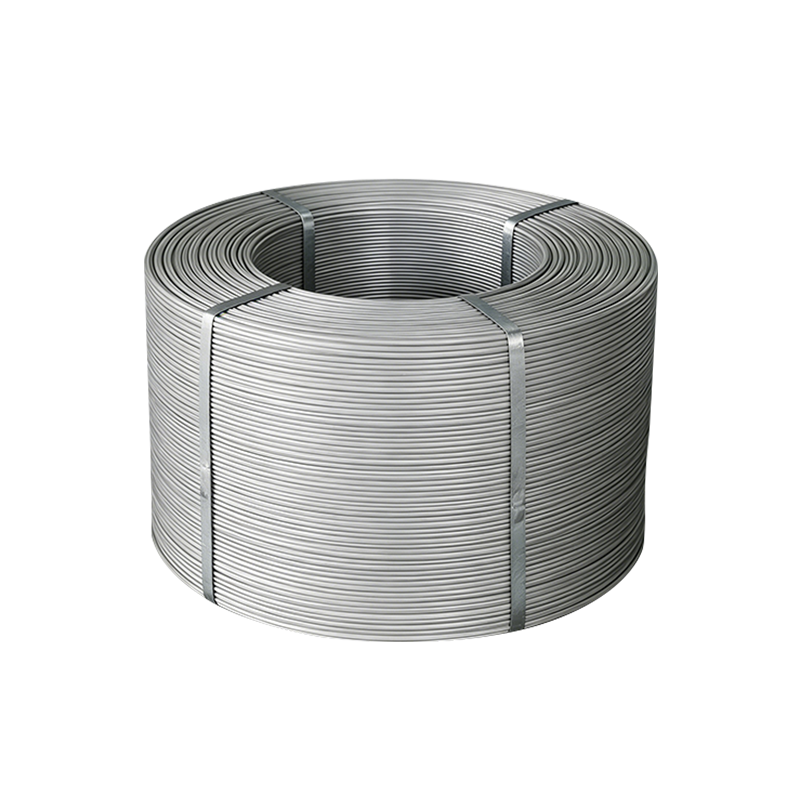
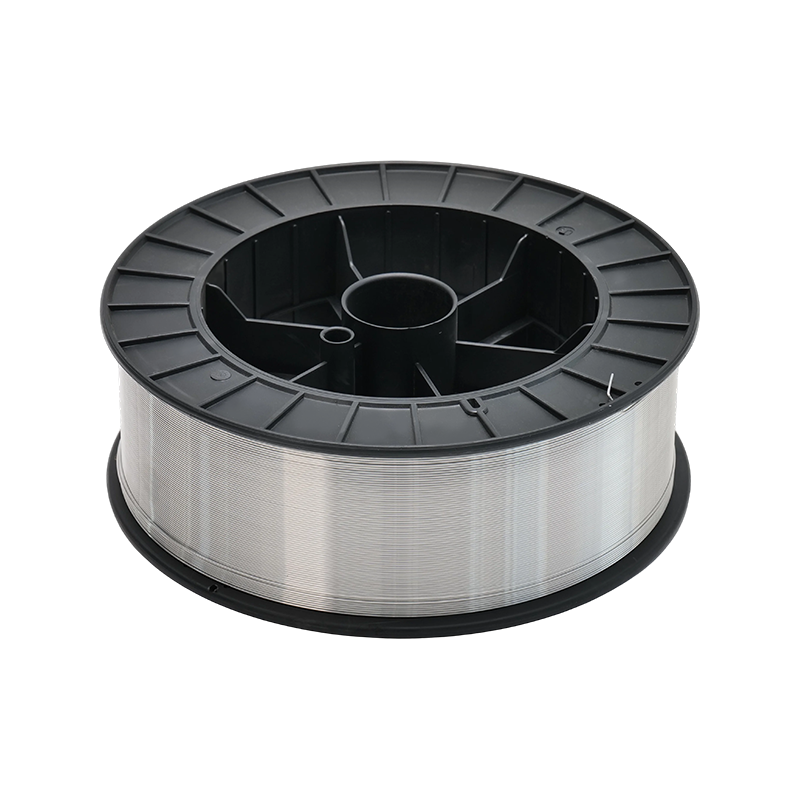
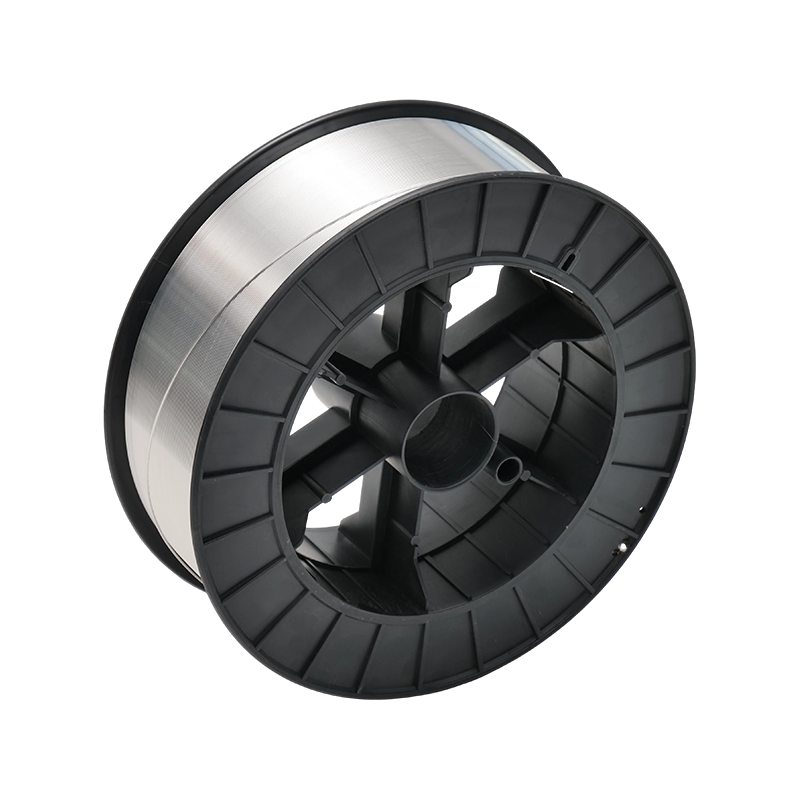
Aluminum welding wire is a filler metal used in MIG (GMAW) and TIG (GTAW) welding processes to join aluminum base metals. Unlike steel filler wire, aluminum wire has to account for aluminum's high thermal conductivity, low melting point, and tendency to form a tough oxide layer on contact with air — all of which affect how the wire is alloyed, fed, and melted during welding.
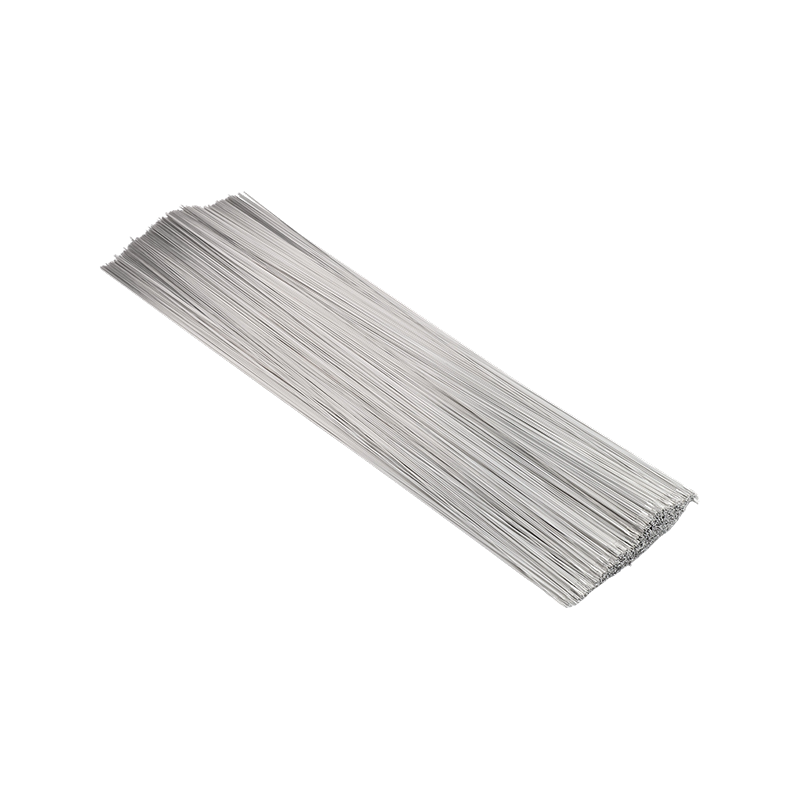
It's typically supplied as spooled wire for MIG welding or straight-cut rods for TIG welding, in diameters ranging from about 0.030" (0.8mm) up to 3/32" (2.4mm) or larger, depending on the application.
What Is Aluminum Welding Wire Used For?
Aluminum filler wire is used anywhere aluminum components need to be joined by fusion welding rather than mechanical fastening or adhesive bonding. Common applications include:
Transportation
Truck/trailer bodies, marine hulls, rail cars, automotive components
Structural Fabrication
Frames, handrails, architectural aluminum, walkways
Pressure Vessels & Tanks
Storage tanks, piping, chemical processing equipment
General Fabrication
Enclosures, brackets, custom metalwork, repair welding
Because aluminum alloys vary widely in composition, the correct filler wire depends heavily on which base alloy is being joined and what the finished weld needs to withstand — a detail covered in the alloy selection section below.
Aluminum Welding Wire Types and Applications
Aluminum filler wires are grouped by alloy series, each suited to different base metals and performance needs:
| Wire Type | Alloy Family | Typical Use |
|---|---|---|
| ER4043 | Aluminum-silicon | General-purpose fabrication, good flow, crack resistance |
| ER5356 | Aluminum-magnesium | Marine, structural, higher strength and corrosion resistance |
| ER5183 / ER5556 | Aluminum-magnesium (higher Mg) | High-strength structural and marine applications |
| ER1100 | Commercially pure aluminum | Chemical/food equipment, low-strength requirements |
Aluminum Welding Wire Alloy Selection Guide
Choosing the right alloy starts with identifying the base metal, since mismatched filler and base alloys can lead to cracking, poor corrosion resistance, or weak welds. A few general rules of thumb:
- 4xxx-series wire (like ER4043) is the go-to for general fabrication and welding 6xxx-series base metals, offering good crack resistance and smooth arc characteristics — but it's not ideal where anodized finish consistency matters, since it can leave a grayish tint after anodizing.
- 5xxx-series wire (like ER5356) is preferred for structural and marine work, especially when welding 5xxx-series base alloys, because it delivers higher tensile strength and better resistance to saltwater corrosion.
- Avoid welding 5xxx alloys with more than about 3% magnesium using 4xxx filler, as the combination can form a brittle intermetallic phase at the weld interface.
- For anodized or cosmetic finishes, 5xxx filler generally matches color more consistently after anodizing than 4xxx filler.
When the base alloy isn't marked or known, checking the mill certification or consulting the filler metal manufacturer's compatibility chart is safer than guessing — the wrong pairing often isn't visually obvious until the weld is stress-tested or exposed to a corrosive environment.
Aluminum Welding Wire Composition and Properties
The alloying elements in the wire directly determine how it performs during and after welding:
- Silicon (as in 4xxx wires) lowers the melting point and improves fluidity, making the weld pool easier to control and reducing the risk of solidification cracking.
- Magnesium (as in 5xxx wires) increases tensile strength and corrosion resistance, particularly against saltwater and industrial atmospheres.
- Manganese and chromium (present in smaller amounts in some grades) help control grain structure and improve resistance to stress corrosion cracking.
- Iron content is kept low in welding-grade wire, since excess iron reduces ductility and can promote brittleness in the weld.
Beyond chemistry, aluminum's high thermal conductivity (roughly triple that of steel) means heat dissipates quickly from the weld area, which is part of why aluminum welding generally requires higher amperage and faster travel speeds than comparable steel welding.
Aluminum Welding Wire Size Guide (What Size Should I Use?)
Wire diameter selection depends mainly on base metal thickness and the welding process being used:
| Wire Diameter | Base Metal Thickness | Typical Process |
|---|---|---|
| 0.030" (0.8mm) | Under 1/8" (3mm) | MIG, thin sheet work |
| 0.035" (0.9mm) | 1/8"–1/4" (3–6mm) | MIG, general fabrication |
| 3/64" (1.2mm) | 1/4"–1/2" (6–12mm) | MIG, structural work |
| 1/16"–3/32" (1.6–2.4mm) | 1/4" (6mm) and thicker | TIG rod, heavy-section welding |
Thinner wire generally gives smoother arc control on thin material and lower amperage settings, while thicker wire supports higher deposition rates needed for thicker sections — using undersized wire on thick material often means excessive passes and slower productivity, while oversized wire on thin material risks burn-through.
How to Choose Aluminum Welding Wire
Putting the above factors together, selection generally follows this order of decisions:
- Identify the base alloy being welded, from mill certs, spec sheets, or supplier documentation.
- Match filler alloy family to base metal using a compatibility chart — 4xxx for general fabrication, 5xxx for structural/marine/high-strength needs.
- Confirm the finishing requirement — if the part will be anodized, factor in color-match performance between filler and base alloy.
- Select wire diameter based on material thickness and welding process (MIG spool vs. TIG rod).
- Check the environment the weld will serve in — saltwater, chemical exposure, or high-stress structural loads all point toward higher-magnesium 5xxx grades.
How to Store Aluminum Welding Wire
Aluminum wire is more sensitive to storage conditions than steel filler wire because its natural oxide layer regrows quickly, and moisture or contamination on the wire surface directly causes weld porosity. Recommended storage practices:
- Keep it sealed in its original packaging or a sealed container until ready to use, to limit exposure to humidity and airborne contaminants.
- Store in a dry, temperature-stable area — avoid locations prone to condensation, such as near loading docks or unconditioned storage bays.
- Avoid handling with bare or dirty hands, since oils and dirt transferred to the wire surface can contribute to weld defects.
- Use wire within a reasonable time after opening — once a spool or rod tube has been opened, extended exposure increases oxide buildup, which can affect arc stability and weld quality.
Practical tip: If a spool has been sitting opened in the shop for more than a few weeks, wipe the surface with a clean lint-free cloth before feeding it, and inspect for gray discoloration — a sign of oxide buildup that can lead to inconsistent arc performance.